The team of the savED charitable foundation has analyzed a range of data on the situation facing educators and schoolchildren ahead of the start of the 2026–2027 academic year. The full brief and primary sources are accessible via the link. On our website, we have put together a summary of the key risks and trends affecting access to a safe and uninterrupted educational process.
Key Challenges
Demographics
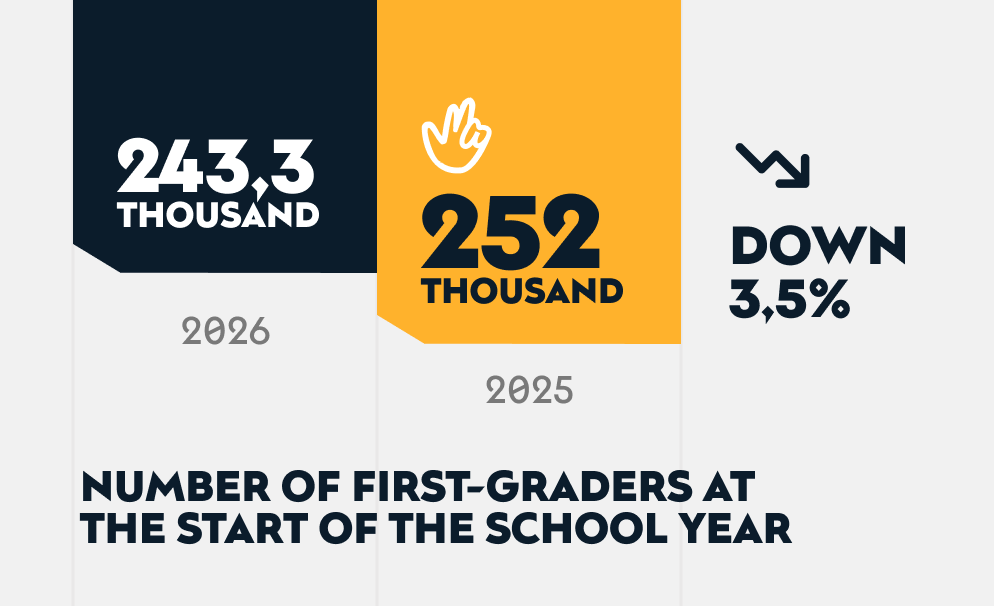
This year, the Ministry of Education and Science expects around 243.3 thousand first-graders.
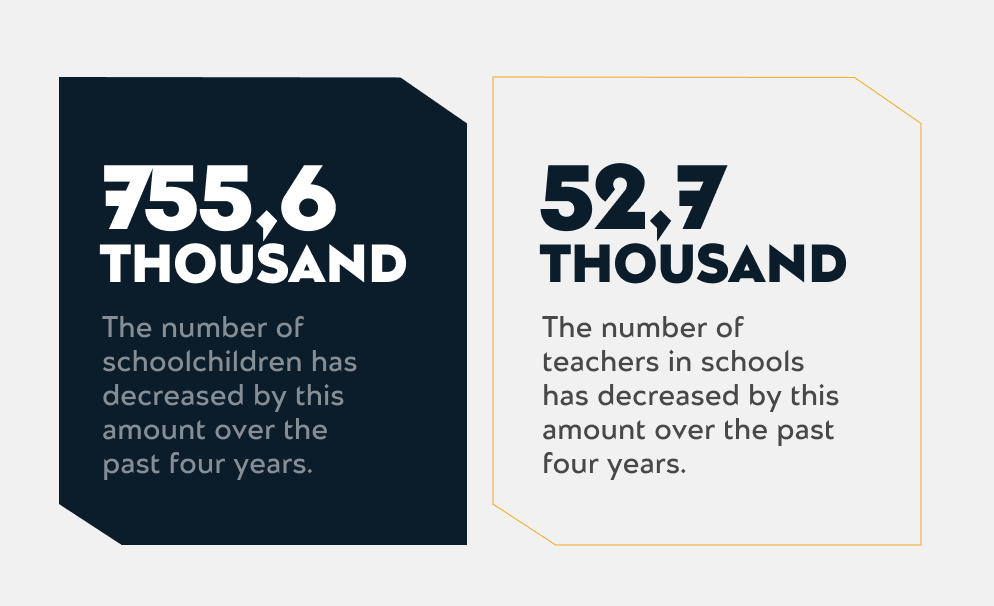
According to the Trade Union of Education and Science Workers of Ukraine, over the past four years, the total number of schoolchildren in Ukraine has decreased by 755.6 thousand children. A similar trend applies to staff outflow among educators: during the same period, the number of teachers decreased by 52.7 thousand.
Security risks
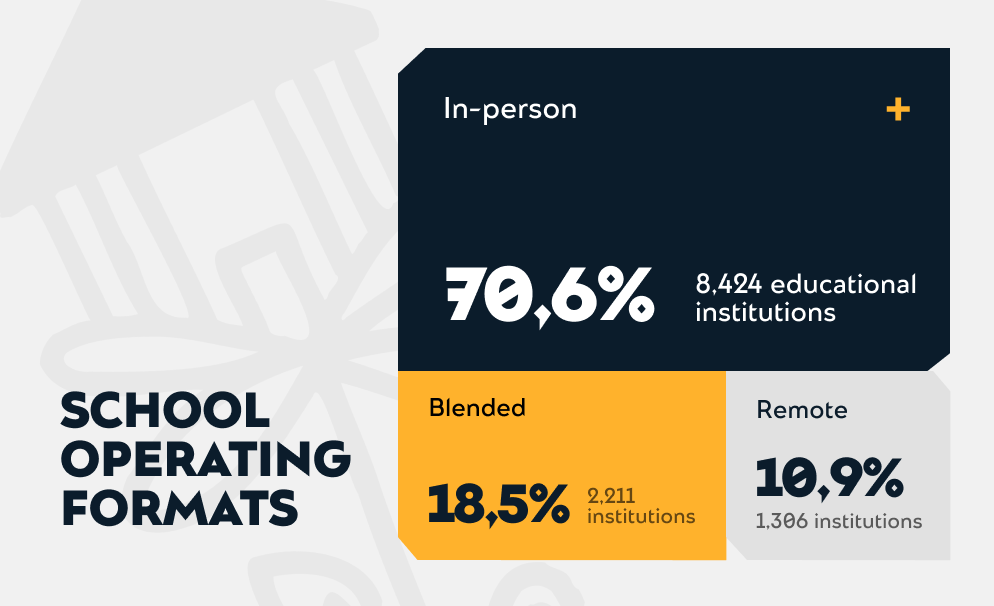
The consequences of Russian military actions determine the format in which schools opened on September 1st.
Content of the educational process
The general situation in the country has also affected decision-making regarding the content of the educational process. Thus, students in grades 10–11 will retain the current learning model so they can complete high school under the programs they started with. This will prevent a transition to the new three-year profile-based secondary education model in the middle of an educational cycle.
At the same time, the new model will operate on a pilot basis. A full transition to a three-year profile-based secondary education with studies in grades 10–12 is planned starting September 1, 2027.
Intense shelling of Ukrainian businesses has also forced changes in how learning takes place.
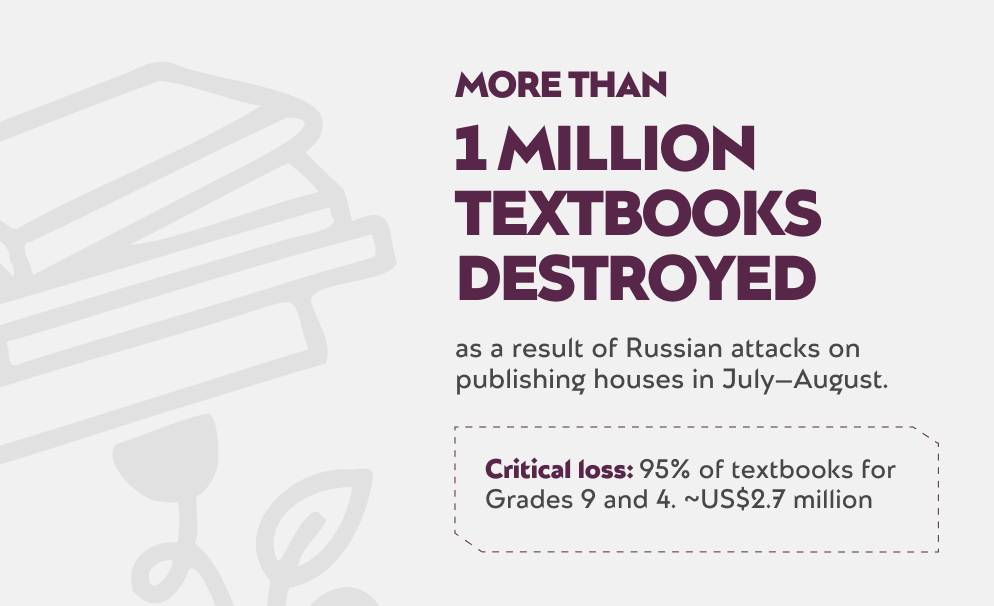
savED analysts conclude that the start of the academic year is defined by two parallel processes:
- On the one hand, the state and local communities continue to adapt the education system to the prolonged war: expanding the shelter network, investing in energy resilience, transportation, and infrastructure recovery, while trying to return children to offline learning.
- On the other hand, the consequences of the demographic decline and population displacement are becoming increasingly noticeable, changing the very geography of demand for education.
“We are starting the fifth academic year of full-scale war with vastly different local challenges: the situation in the regions where our foundation operates can vary significantly from one hromada to another. Unfortunately, what unites everyone is the escalating danger, as clearly demonstrated by the collected data. On a national scale, this situation dictates how unequal access to education remains. In terms of content, it affects how feasible educational changes and reforms truly are. Now it is up to us to adapt and scale the efforts and successful solutions our team is already implementing: whether it is constructing shelters and underground schools, developing learning loss recovery programs, or launching new initiatives for youth and educators in these communities,” — Anna Novosad, co-founder and strategic director of the foundation.

“Past safety strategies are losing their relevance completely. We see how local self-government authorities now need to manage aspects like student transportation—ensuring both the availability of buses and shelters along the routes. Quite literally, while we were finalizing the conclusions for our analytical report, a drone strike hit a gas station in Kyiv. Yet, just as conditions vary, the capacity to adapt the educational process differs from community to community and even between educational institutions within the same city or village. We remain fully committed to working with locations where our foundation’s projects are needed,” — Anna Putsova, co-founder and implementation director of the foundation.
Regional features
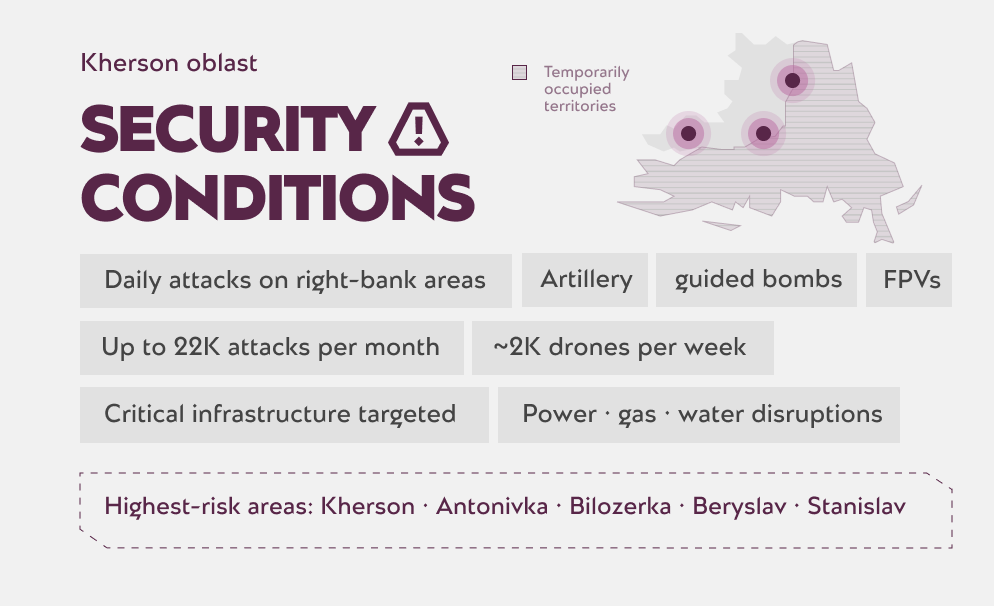
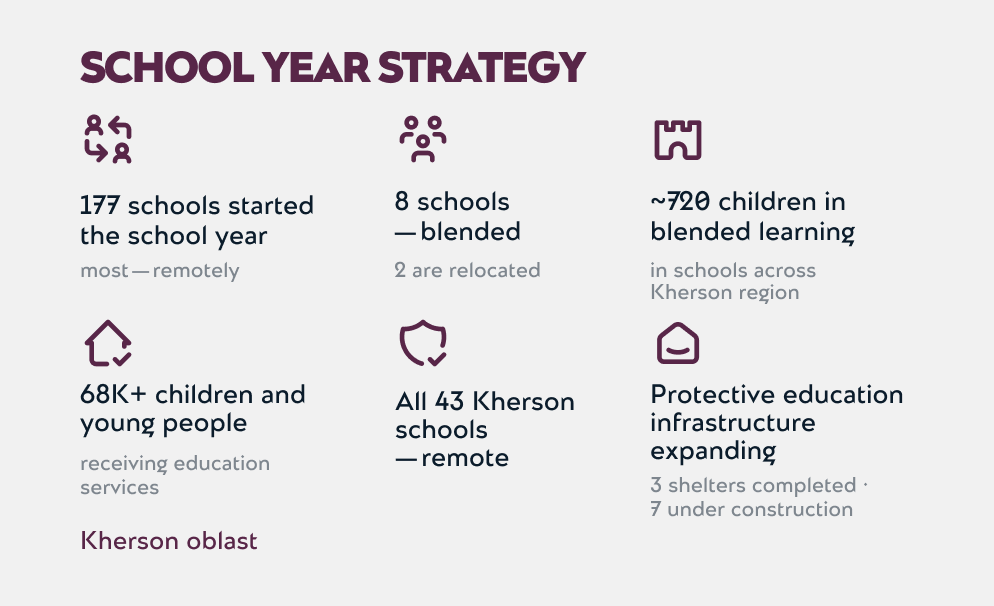
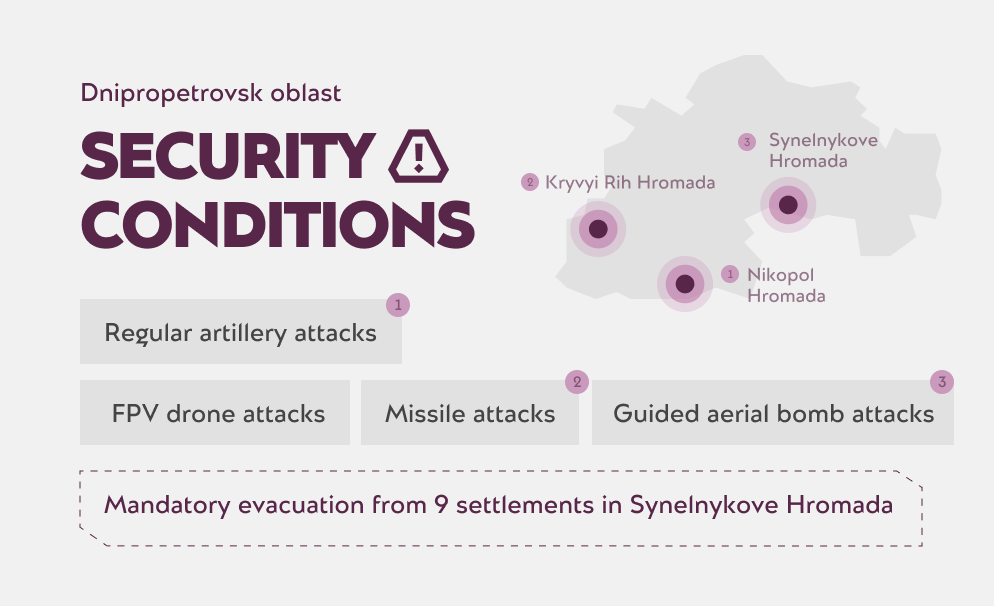
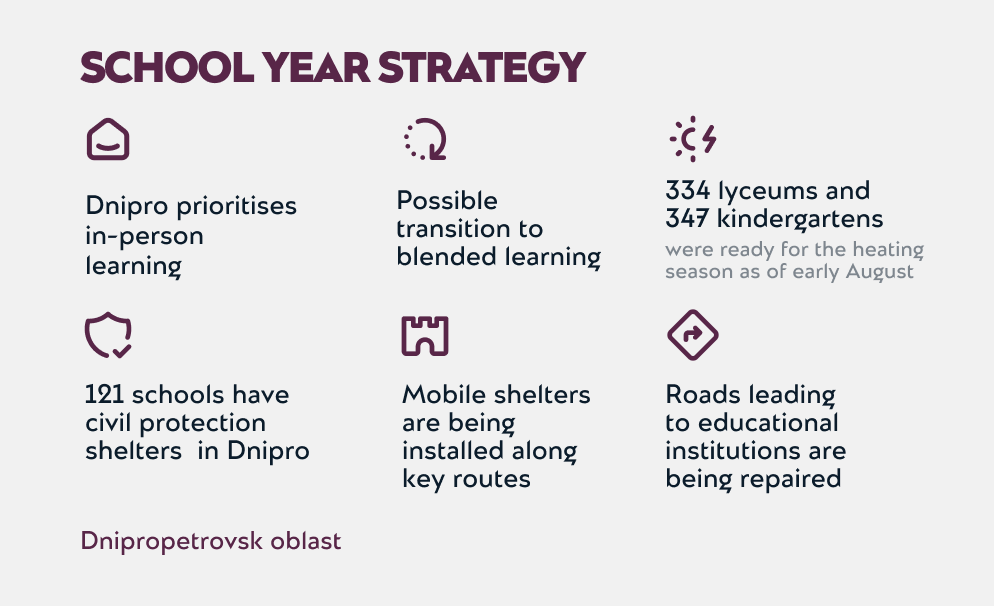
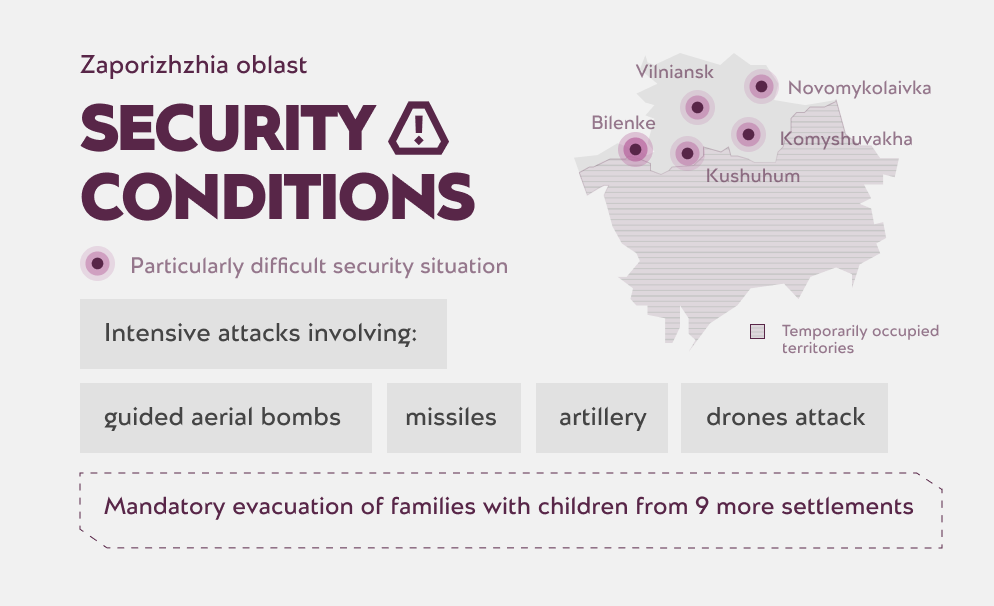
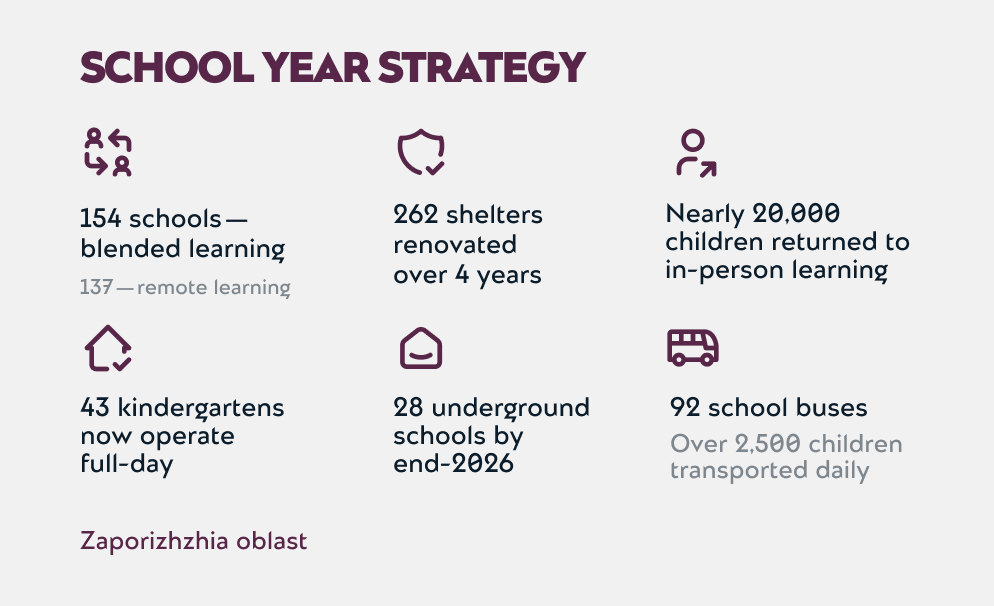
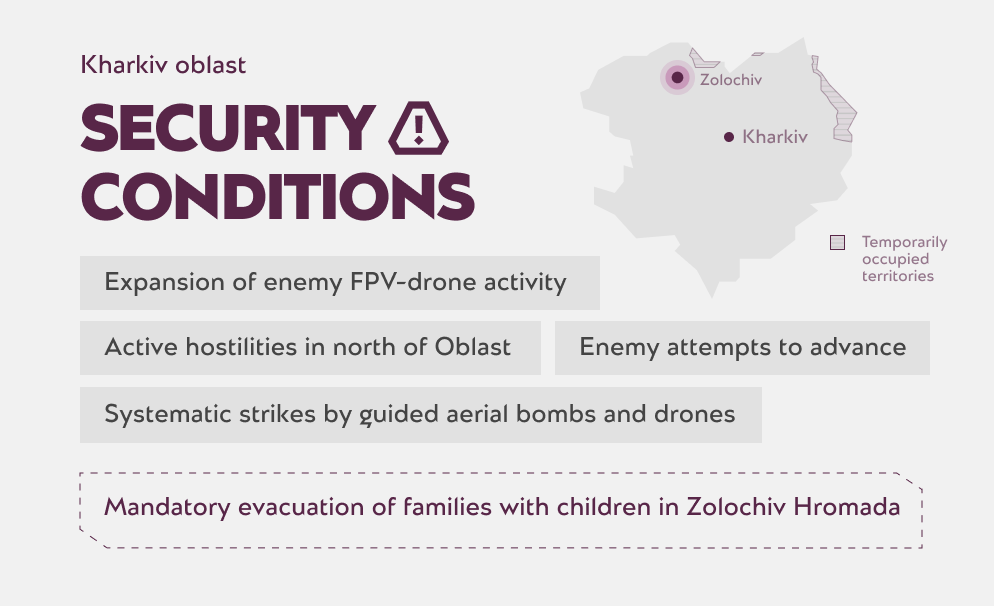
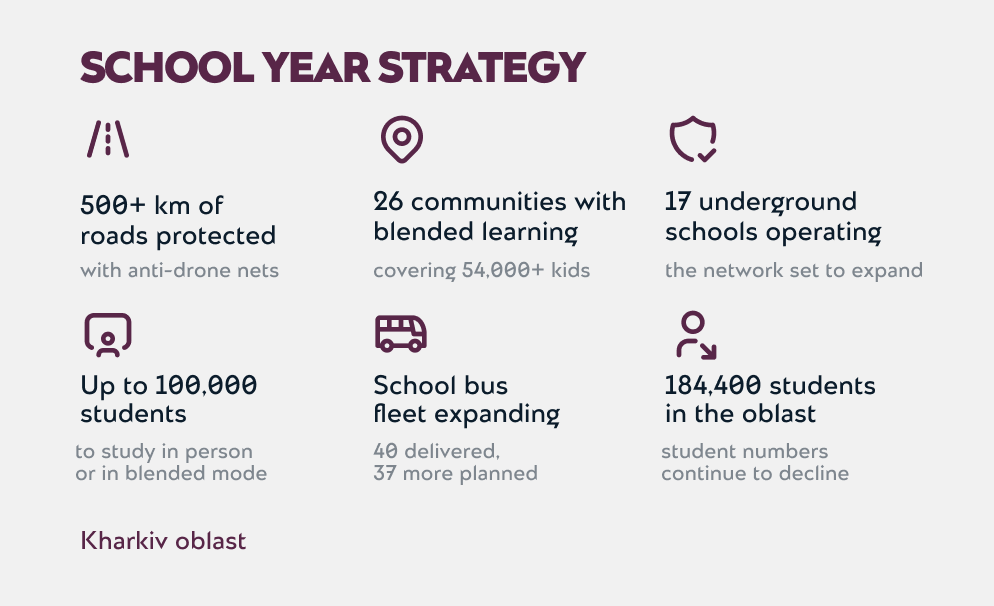
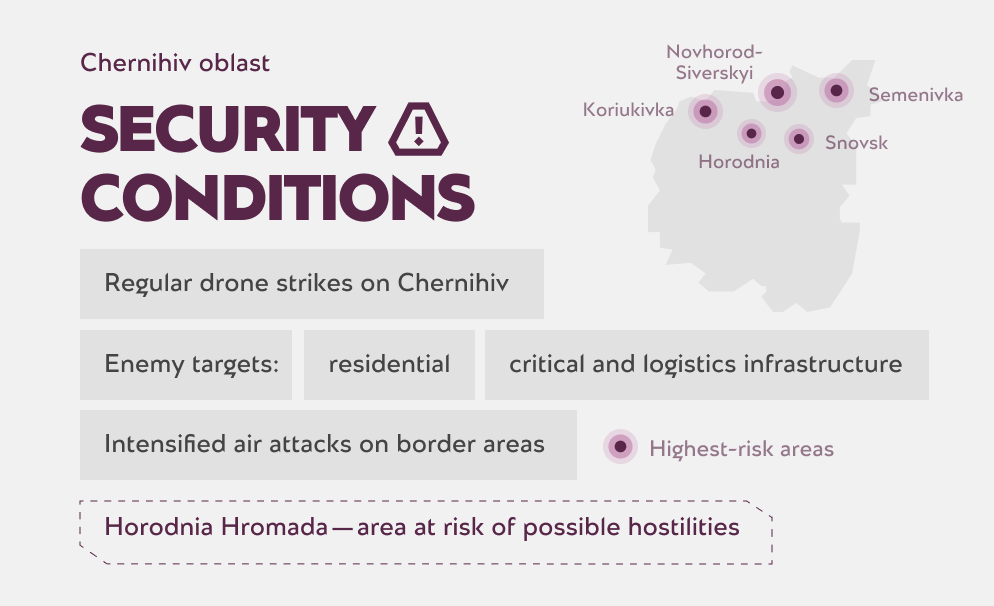
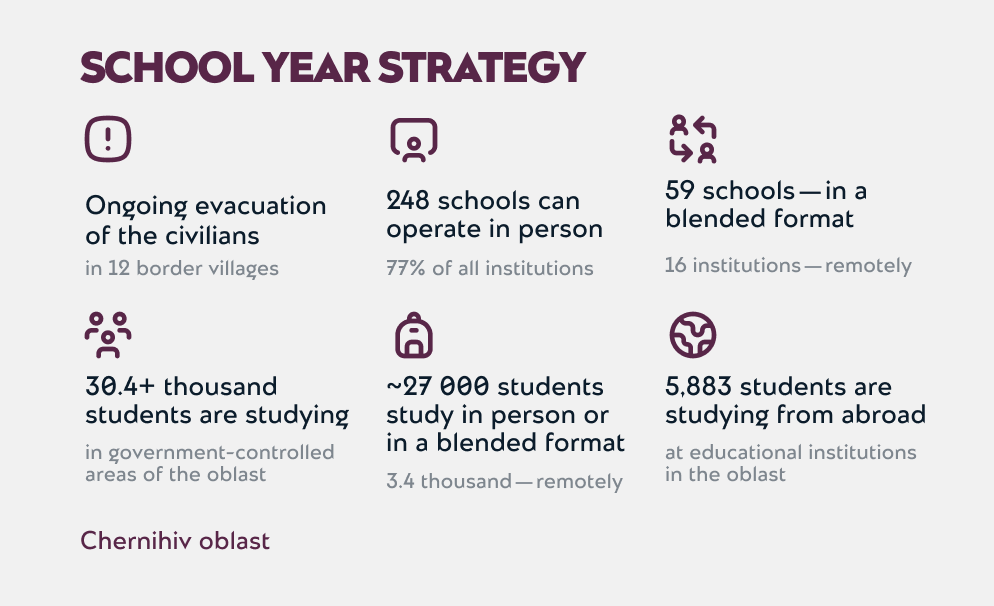
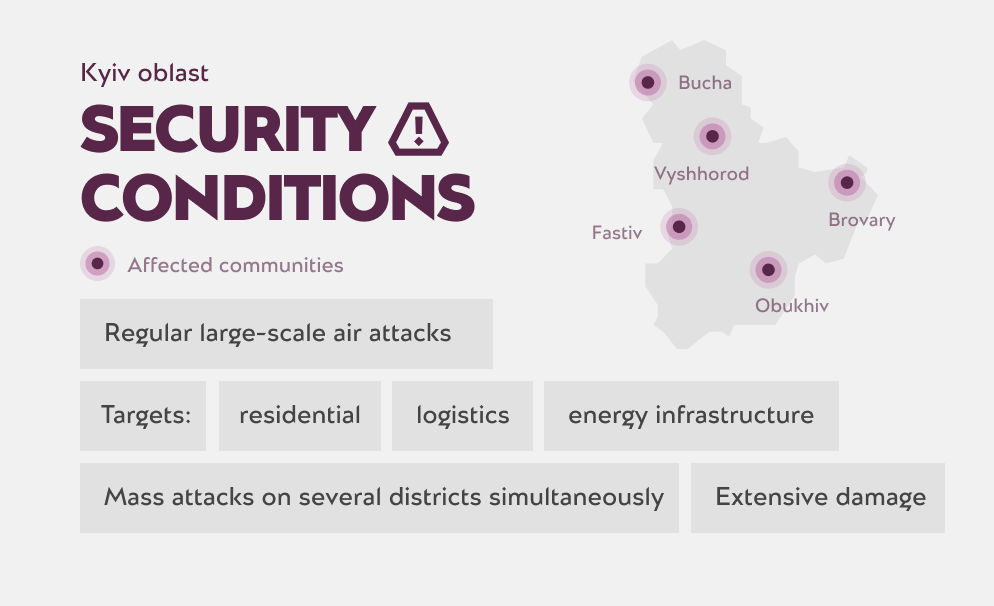
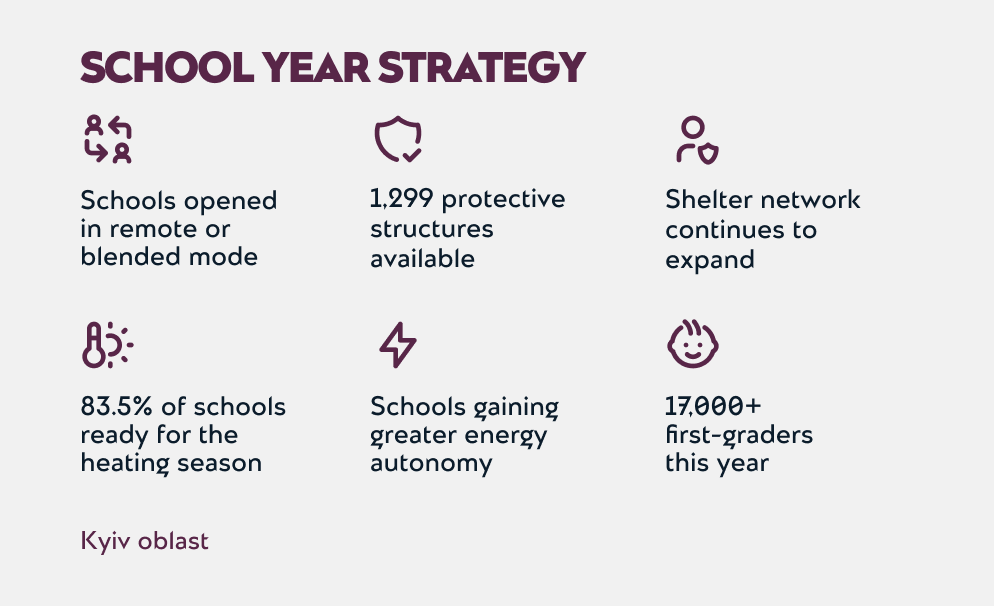
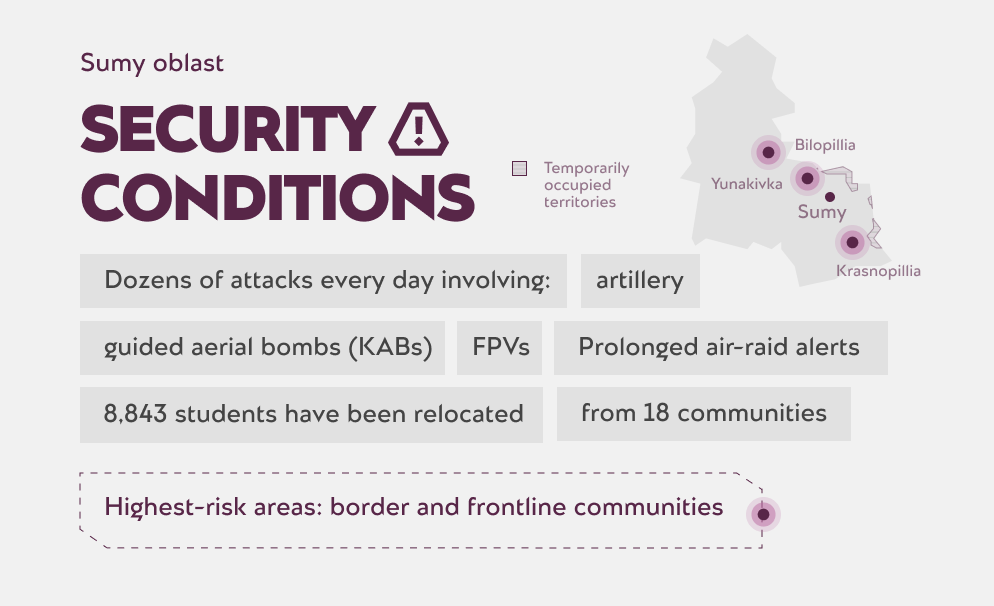
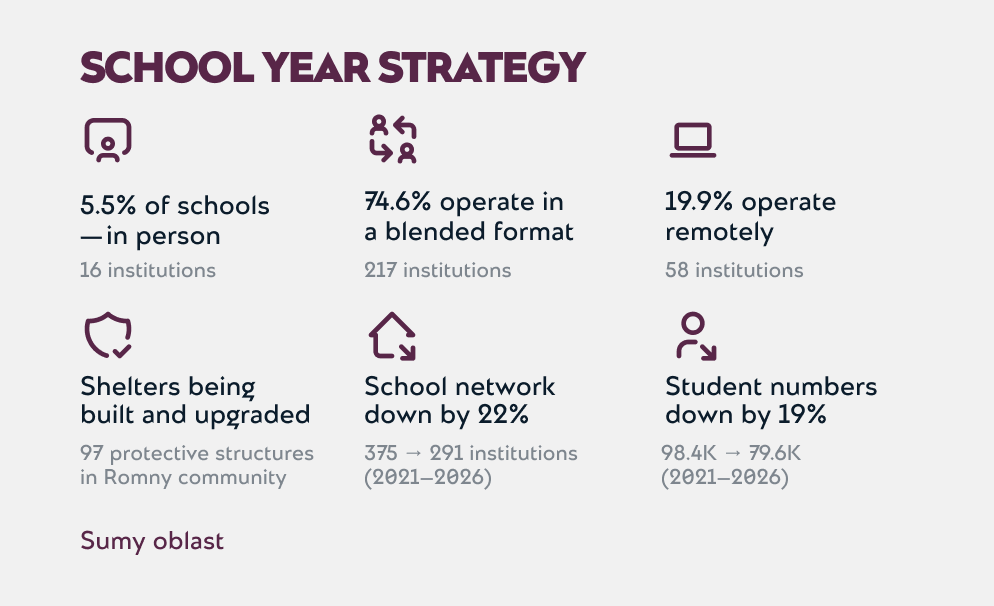
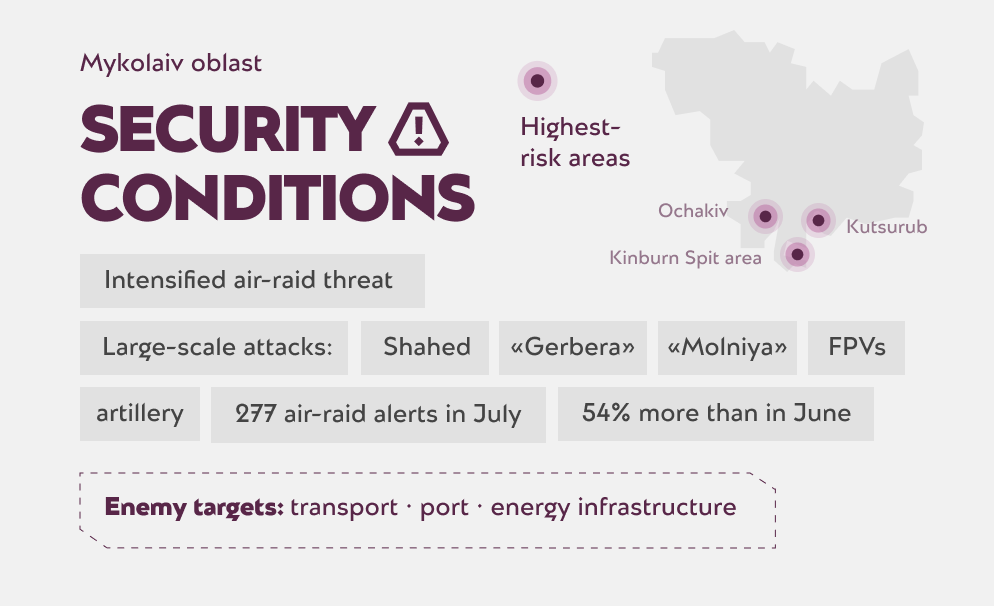
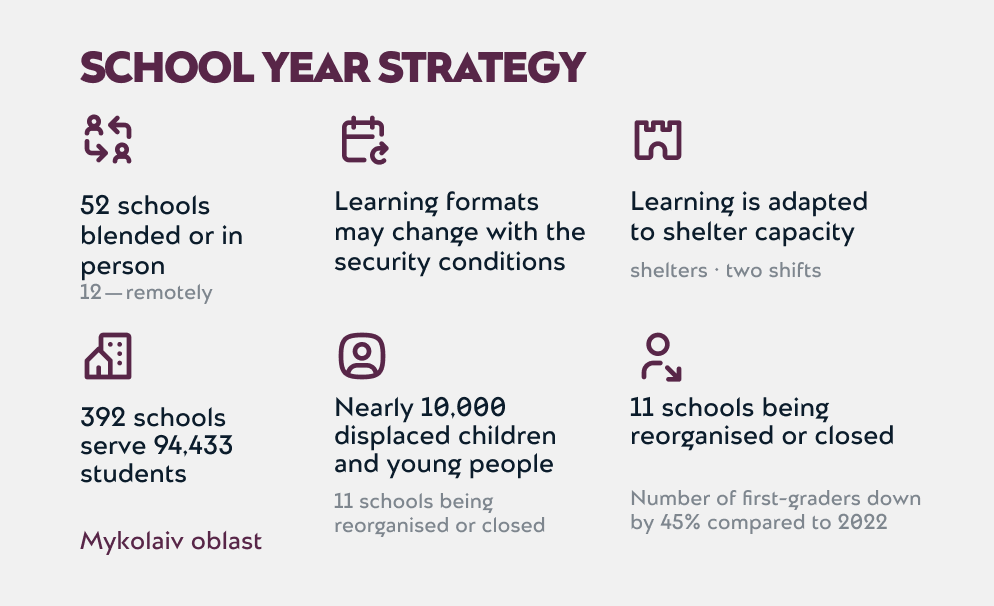
Below, based on analyzed data from open sources, we detail the specific regional features. The cards below present the local security situations and the strategies being developed by educational institutions in the regions.
І. Dnipropetrovsk Oblast
ІІ. Zaporizhzhia Oblast
ІІІ. Kharkiv Region
IV. Chernihiv Oblast
V. Kyiv Oblast
VI. Sumy Oblast
VII. Mykolaiv Oblast
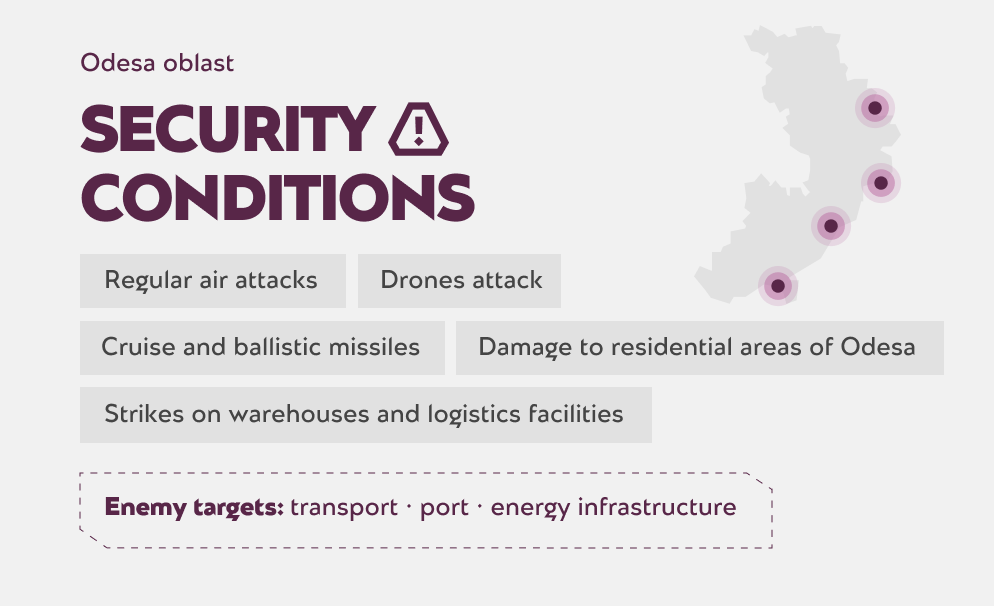
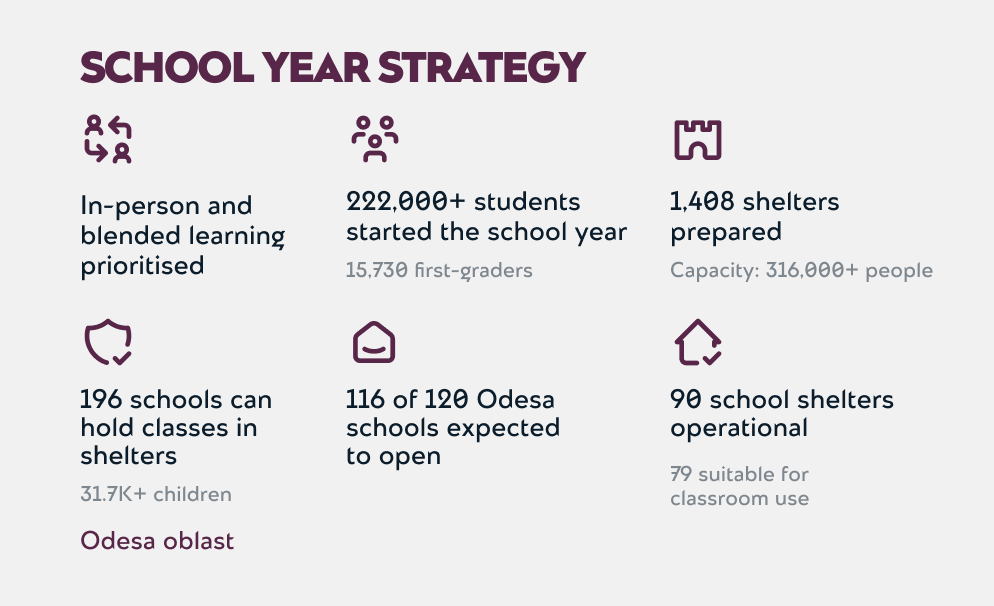
VIII. Odesa Oblast
IX. Kherson Oblast