Learning centres
Digital learning centres by UNICEF

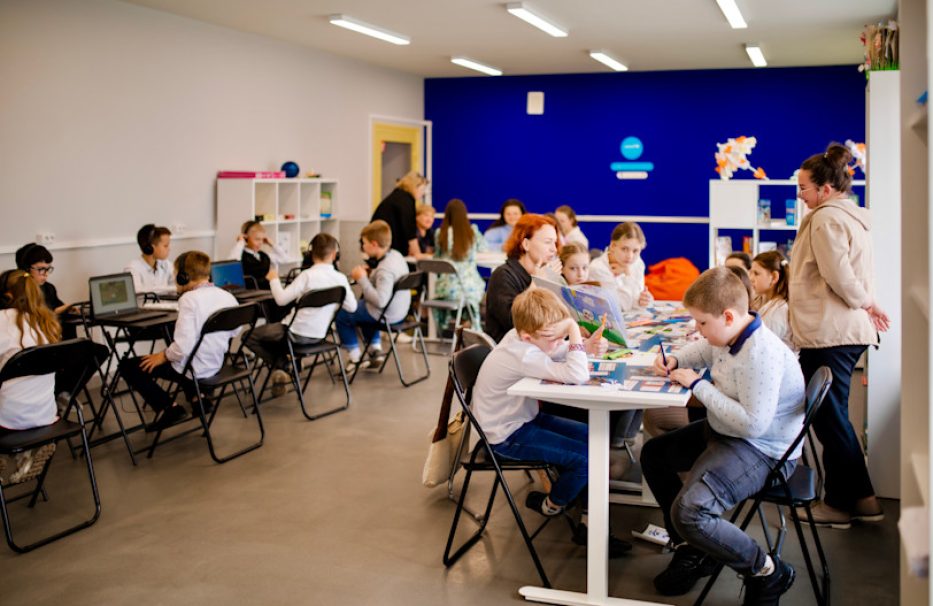
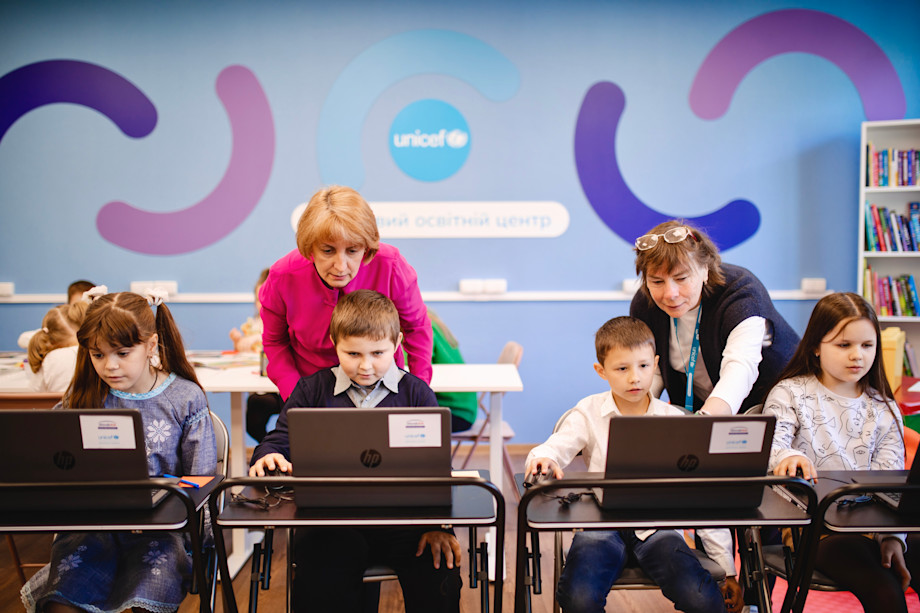
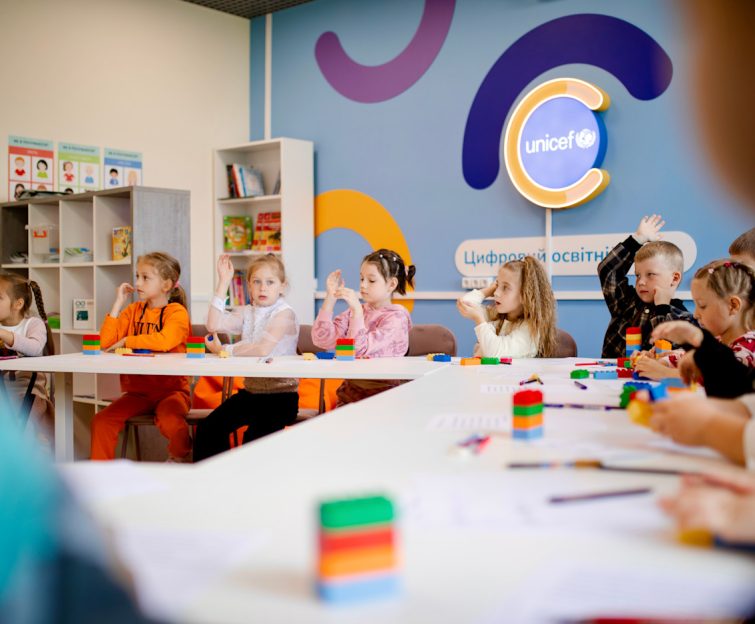
In 2023, savED and UNICEF joined forces to create Digital Learning Centers across the Dnipro region.

Two years on, the project has become the largest initiative in savED’s portfolio. It has since expanded to the Zaporizhzhia region and gained another essential component — an educational catch-up programme delivered both in the centers and in schools, already reaching more than 20,000 children across the two regions.

  • Regions Dnipropetrovsk and Zaporizhzhia
  • Students More than 10,000
  • Result 45 Digital Learning Centres created
  • Donor UNICEF
Project's story
What happened
The project started with six Digital Education Centres in the Dnipropetrovsk region in 2023.

At that time, their creation was critically necessary, because after the full-scale invasion, a significant part of the students switched to distance learning.

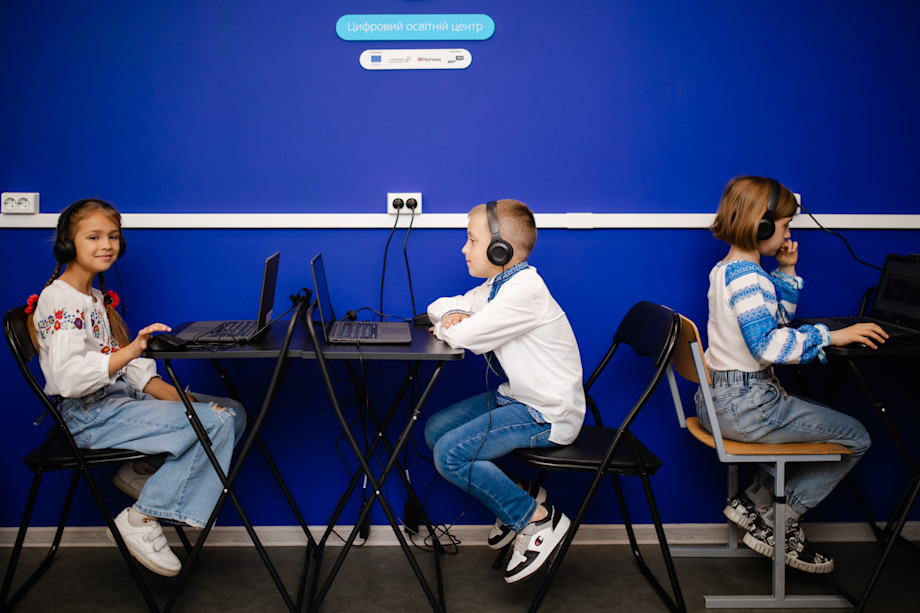
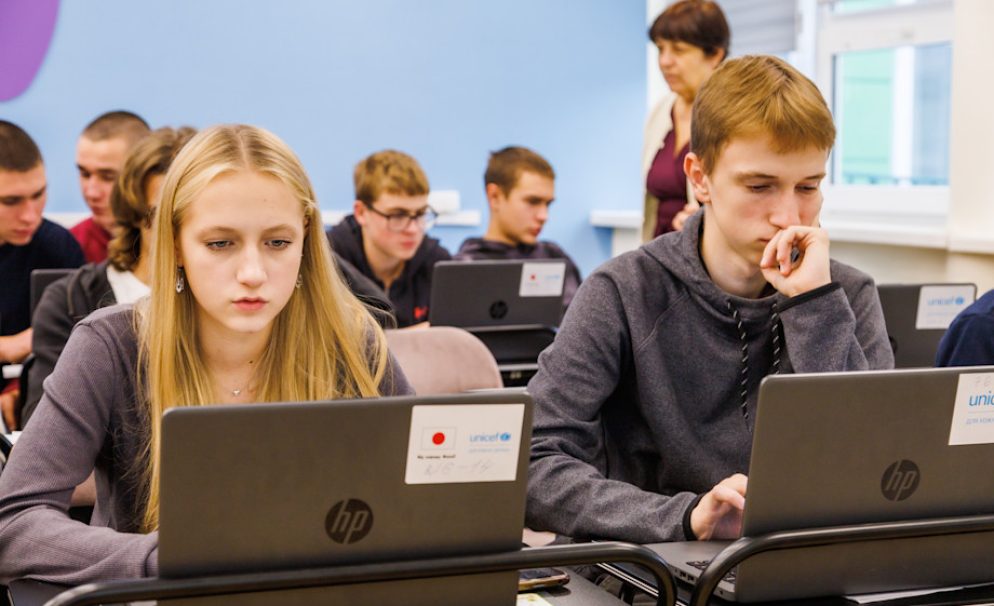
At the same time, they often lacked the necessary technical equipment at home: not only laptops, but even stable internet. In many families, two or three children shared one gadget.

Project's story
The emergence of centres
Access to modern technology in the centres was a real lifesaver.

Basic digital resources gave schoolchildren the opportunity not only to do their homework, but also to fully engage in learning. Some schools even used the centres to conduct online lessons in a group format, especially in rural communities.

Gradually, families were able to purchase the minimum necessary equipment themselves, and the role of the centres as a ‘digital first aid kit’ began to diminish.

Centers today
Development
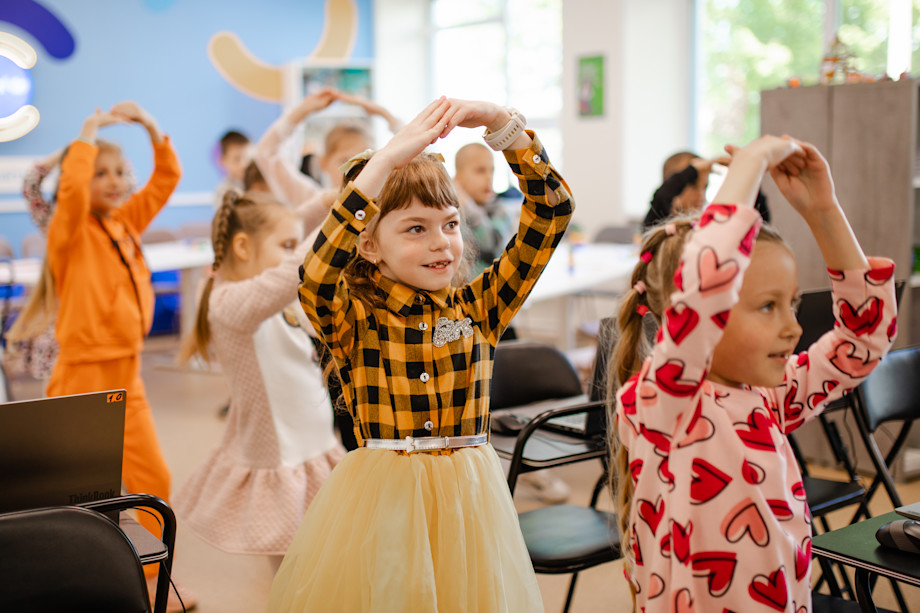
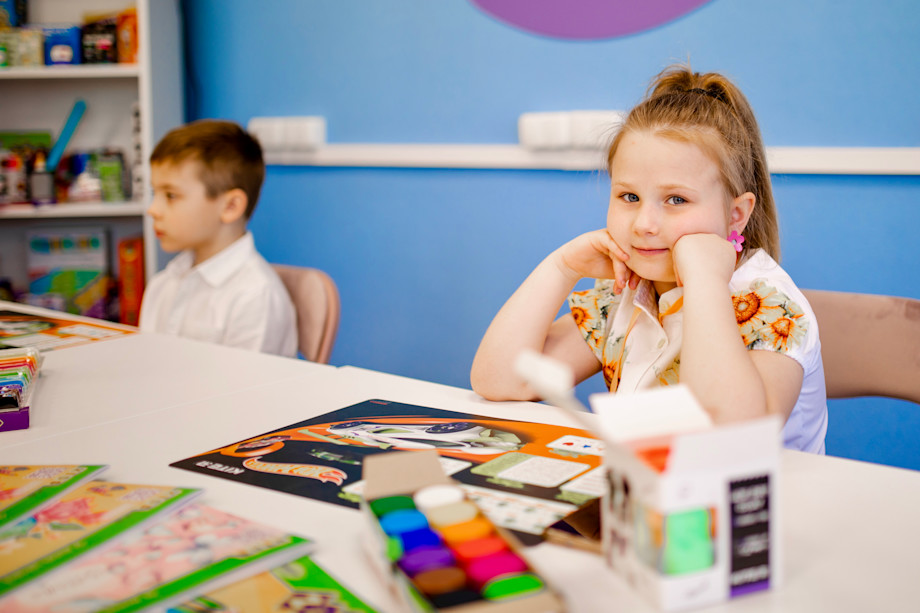
  • as safe, friendly, modern spaces where you can not only learn, but also feel free and heard;
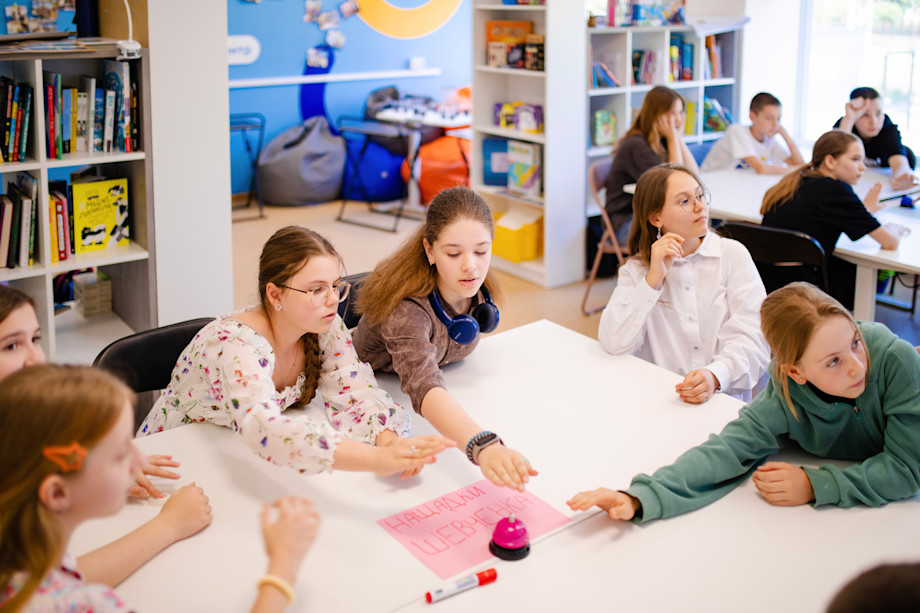
  • as places for socialisation and lively communication among children, especially in conditions of isolation;
  • as points of educational renewal for teachers and administrators who feel the need for reform but do not know where to start.
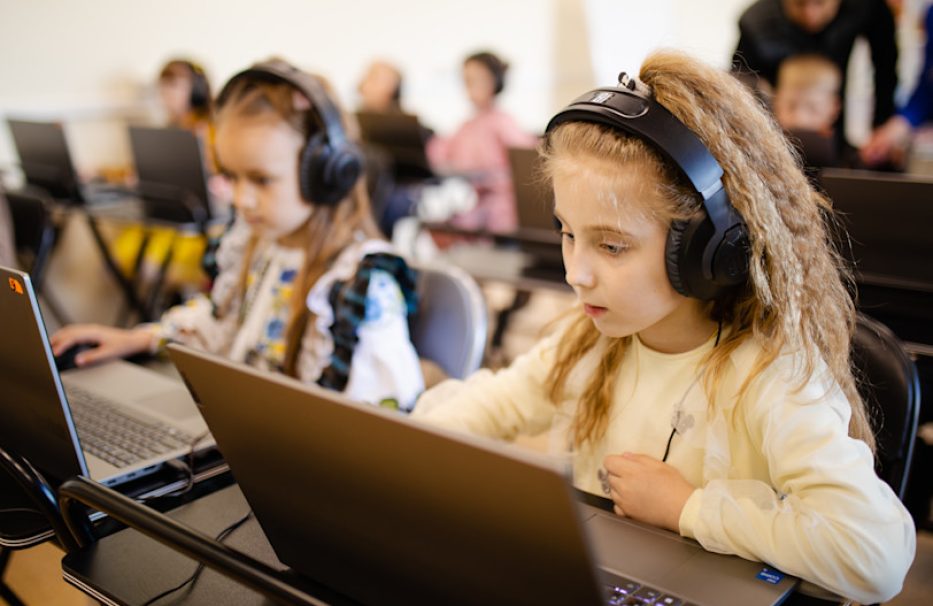
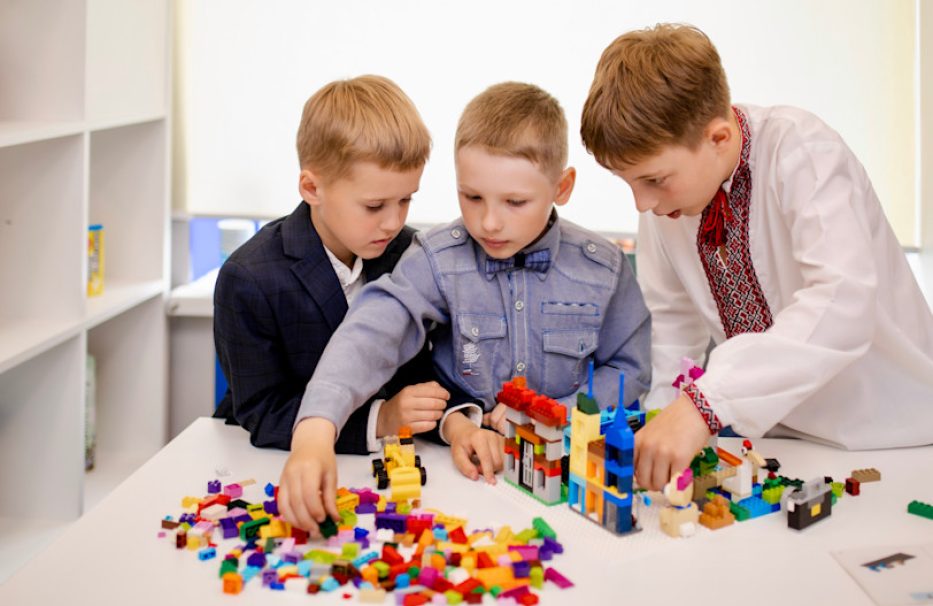
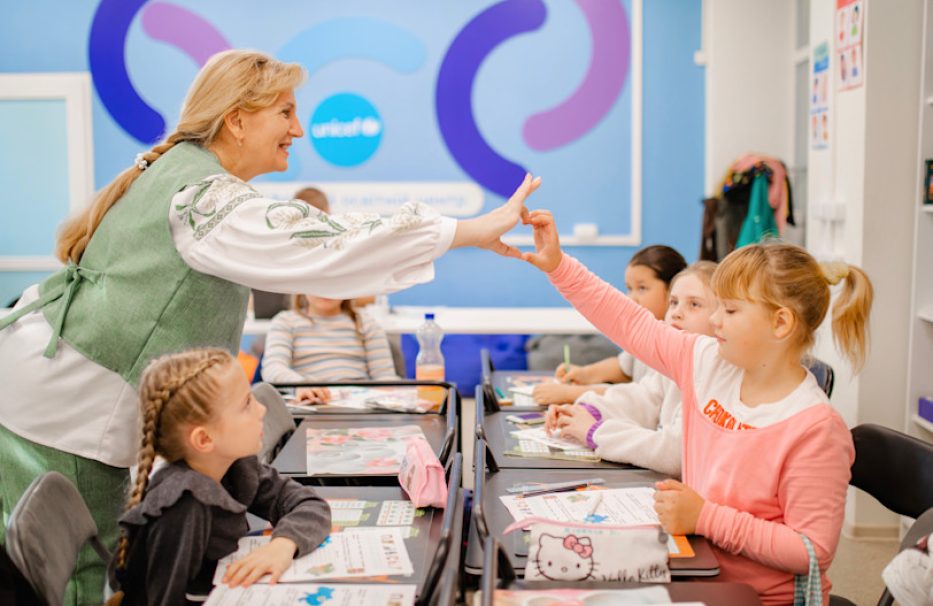
Gaps in children’s knowledge and social skills are long-term consequences of the pandemic and COVID-19. In classes designed to help children catch up on their education, children catch up on the curriculum and acquire skills that can only be developed through ‘live’ communication with other children.

84% of children who participated in our programme improved their knowledge of mathematics, Ukrainian, English and primary school subjects.

In 2024, we opened 21 more centres in the Dnipropetrovsk region together with UNICEF. In 2025, 10 more centres appeared in the Dnipropetrovsk region and 6 in the Zaporizhzhia region. We also support the work of 16 centres in Zaporizhzhia, previously established by UNICEF.

During 2024, our programme to make up for educational losses covered more than 22,000 children in educational centres and schools in Dnipropetrovsk region. In 2025, we expanded it to Zaporizhzhia region.

We realised that their greatest value was not in technology or repairs. The most powerful effect of the centres we create is change in the very culture of the institution, its thinking, rhythm and ability to develop.

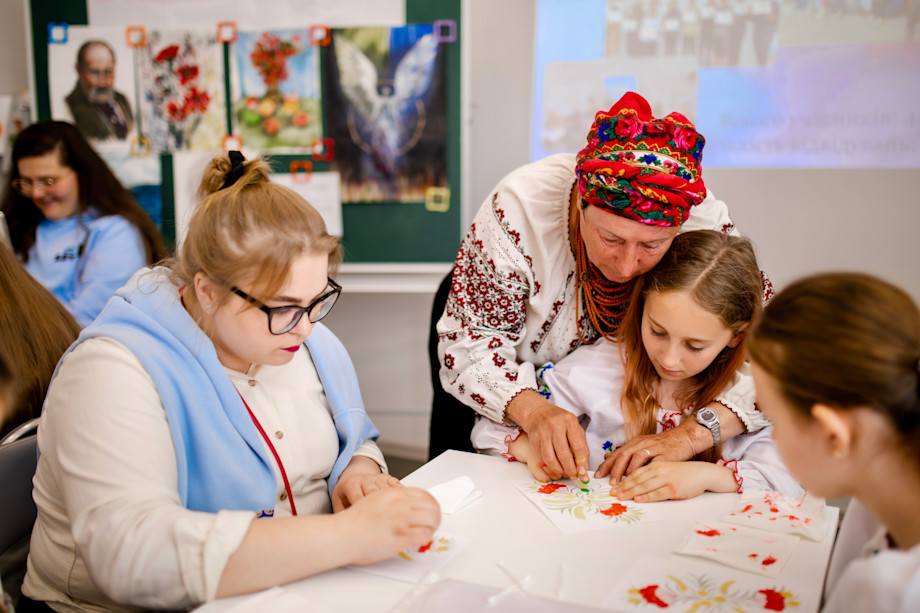
The centres are becoming places where schools ‘try new things’ for the first time — different approaches to teaching, different formats for communicating with students, a different philosophy of interaction. They are entry points for change, from which new practices grow.

Gallery
The result