
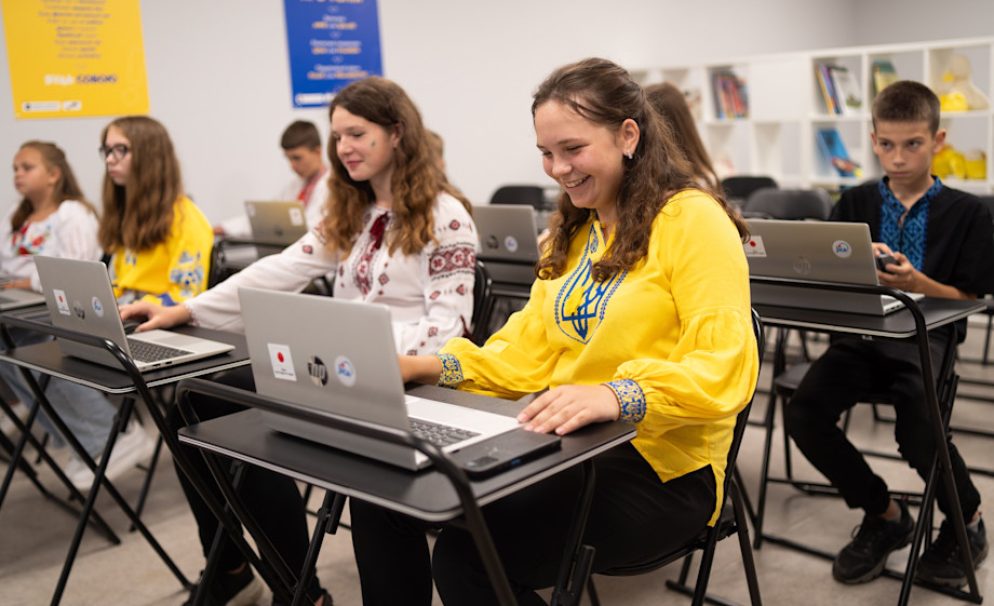
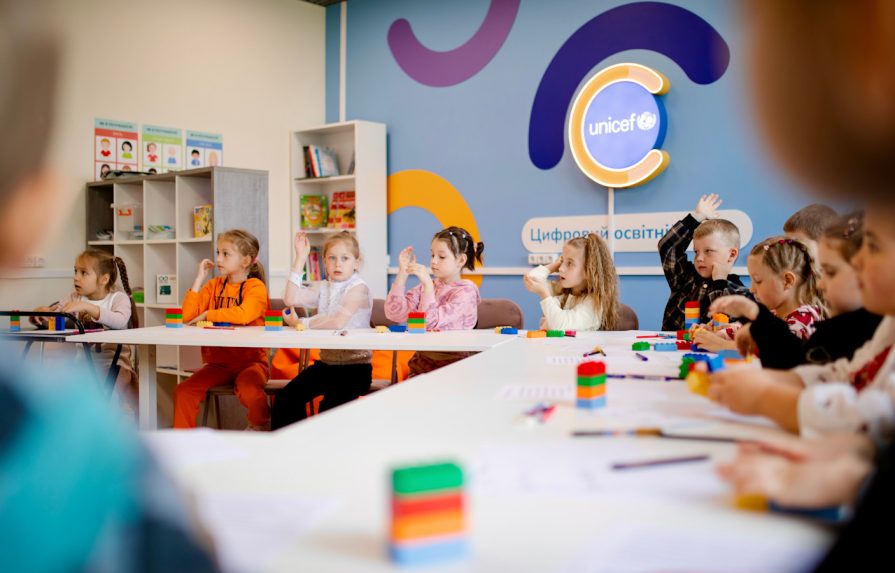
These are places where children can learn and meet in person even if their school has been destroyed, damaged, or cannot operate fully because of proximity to the frontline.
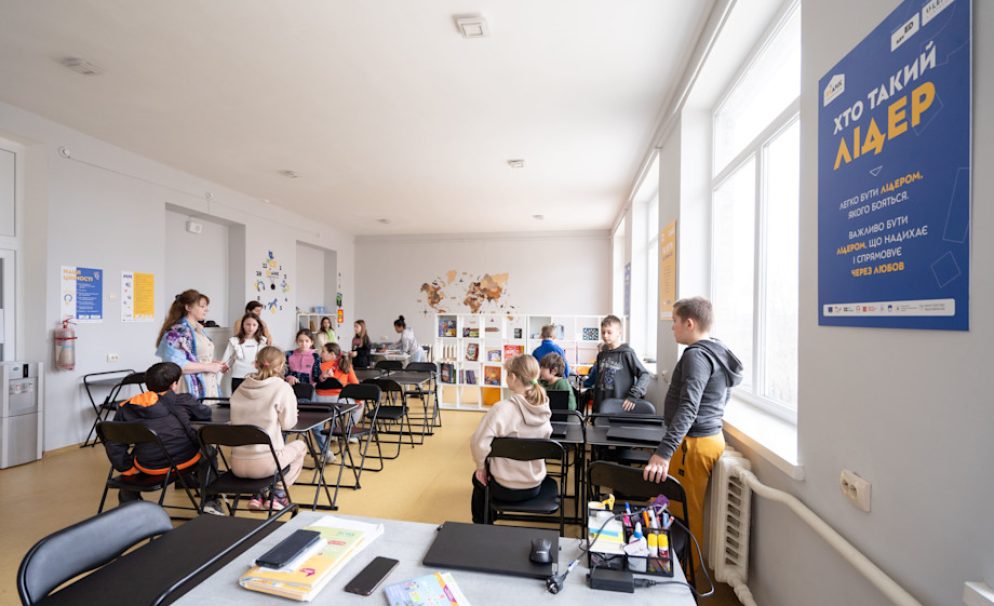
Each space is equipped with everything needed for a full, safe day on site: comfortable furniture, modern technology, and learning materials for both students and teachers. These learning hubs have become a kind of “educational first aid”: in some communities they appeared within the first months after liberating and helped restore learning activities in areas heavily affected by the war.
savED’s signature learning centers are called EduHives because life inside is always buzzing. The foundation also creates and supports part of UNICEF’s network of learning centers.
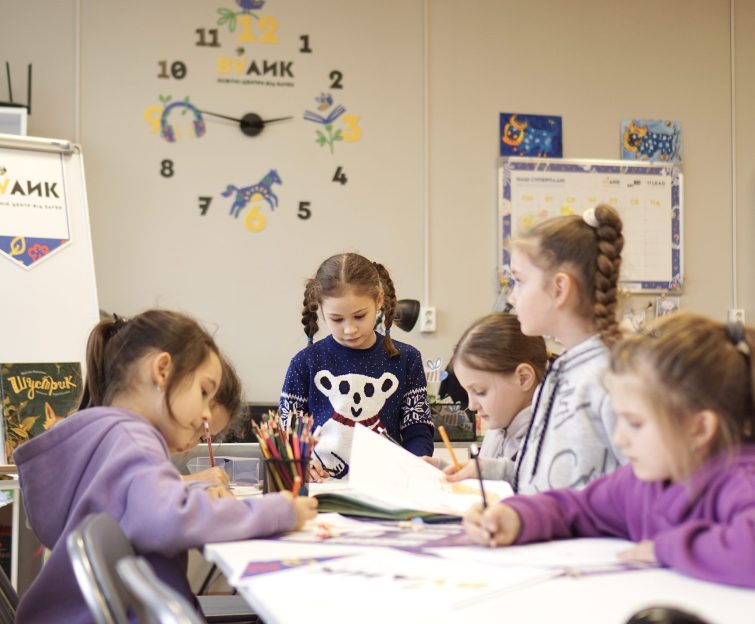
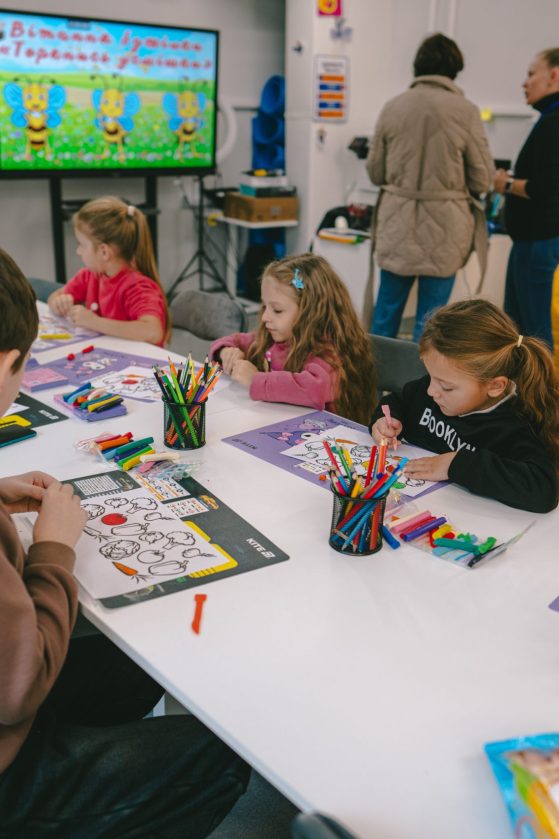
Located inside schools, medical clinics, cultural centers, and even shelters, these hubs are far more than learning spaces — they transform into community centers for all kinds of activities. Alongside regular lessons, they host extracurricular sessions that children miss so much during remote learning: financial literacy workshops, cybersecurity sessions, art clubs, and therapeutic activities.


 Instagram
 The centers bring together children who have spent long periods learning online — or who, because of the pandemic and now the full-scale invasion, have barely seen a classroom.
As a result, mixed-age groups form with shared interests, values, and mutual support. The hubs also host community meetings, concerts, and events for local residents.
For savED, it’s important not only to open centers but also to ensure their long-term operation. Alongside renovation and equipment, we recruit and train tutors, create programs to address learning loss, and engage partners who help finance tutor salaries, educational platforms, supplies, and additional programming.
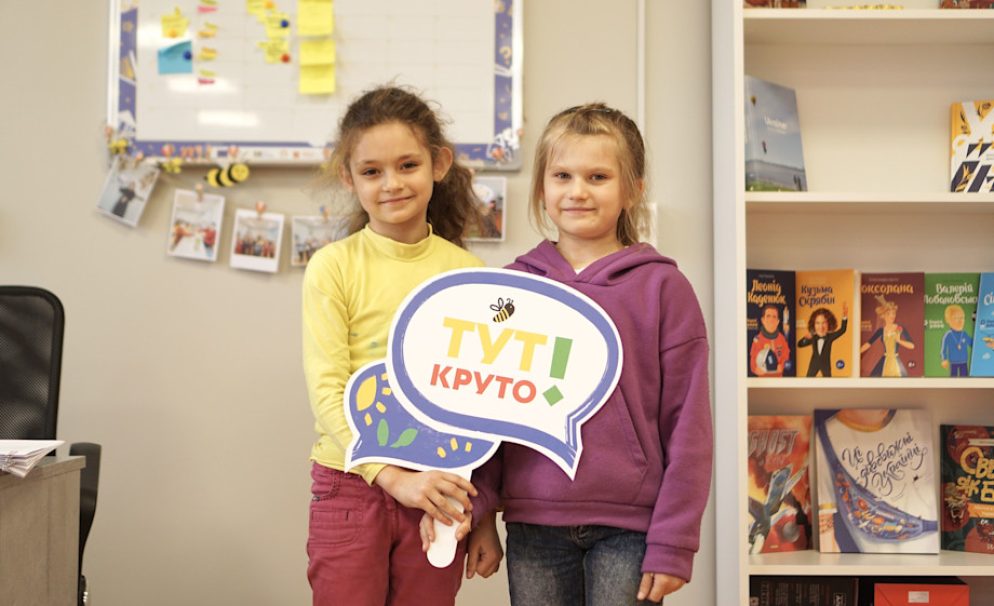
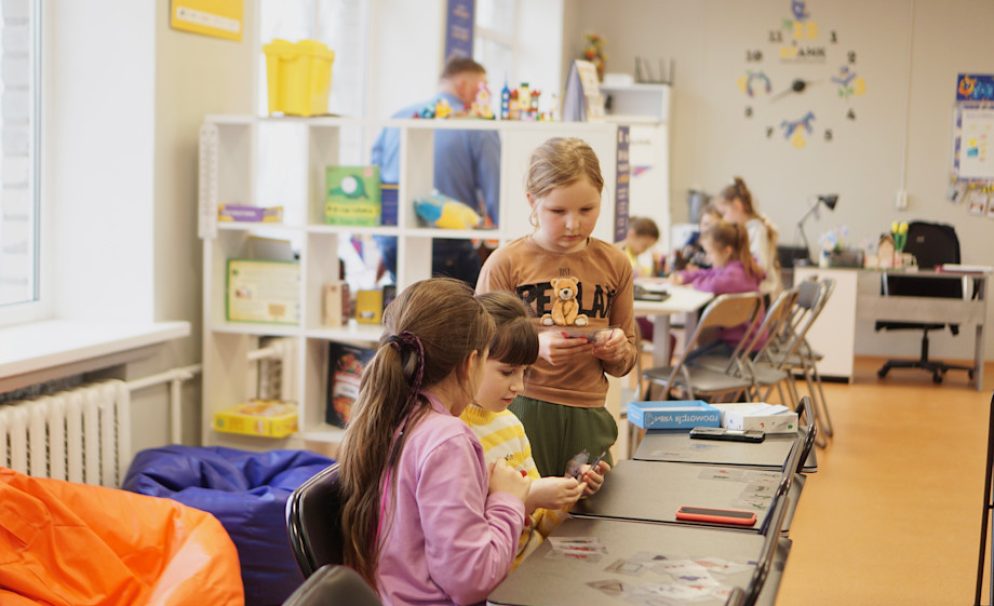
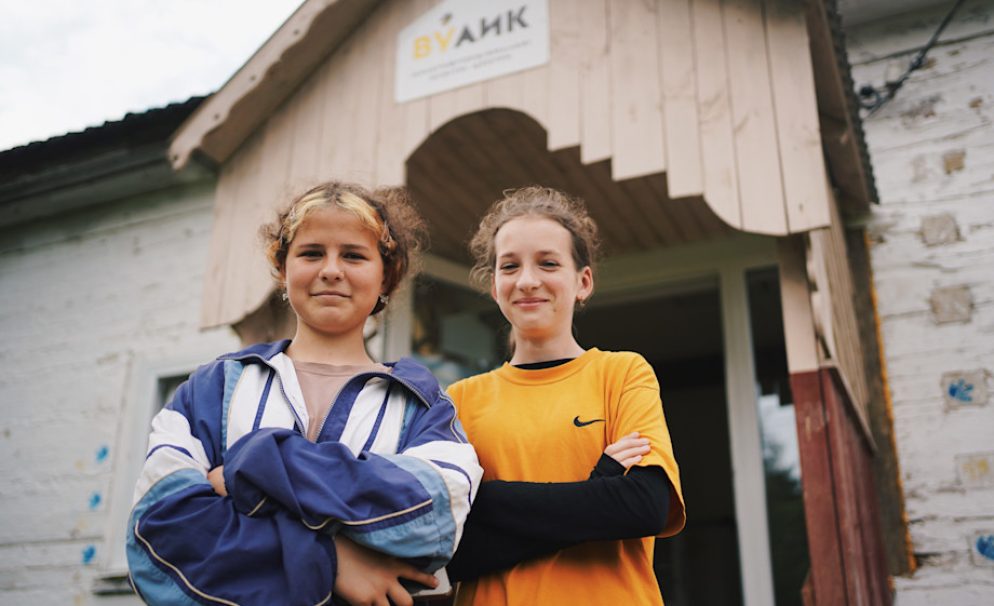
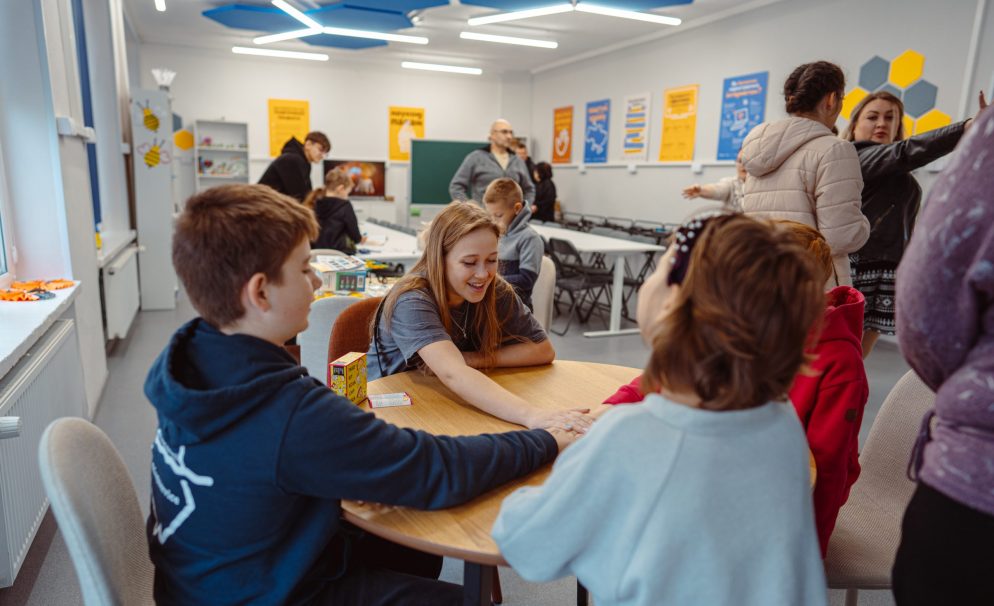
Leaning centres begin with physical spaces, but their real vitality comes from well-designed learning and development programs for children.
The Core Educational Program is a series of extracurricular activities and courses that combine learning with play, communication, and creativity. It helps children develop essential life skills, better understand themselves and the world around them, strengthen their cultural and social identity, and receive socio-emotional support in a reality shaped by war.
In the centres, children read books, play active and board games, and create their own stories during creative writing sessions. They learn how to express their thoughts and listen to others, identify misinformation and take care of information safety, search for and analyse information, and build an understanding of a healthy lifestyle.
The programmes are developed by Ukrainian cultural and educational leaders, civic activists, trainers, teachers, and methodologists.
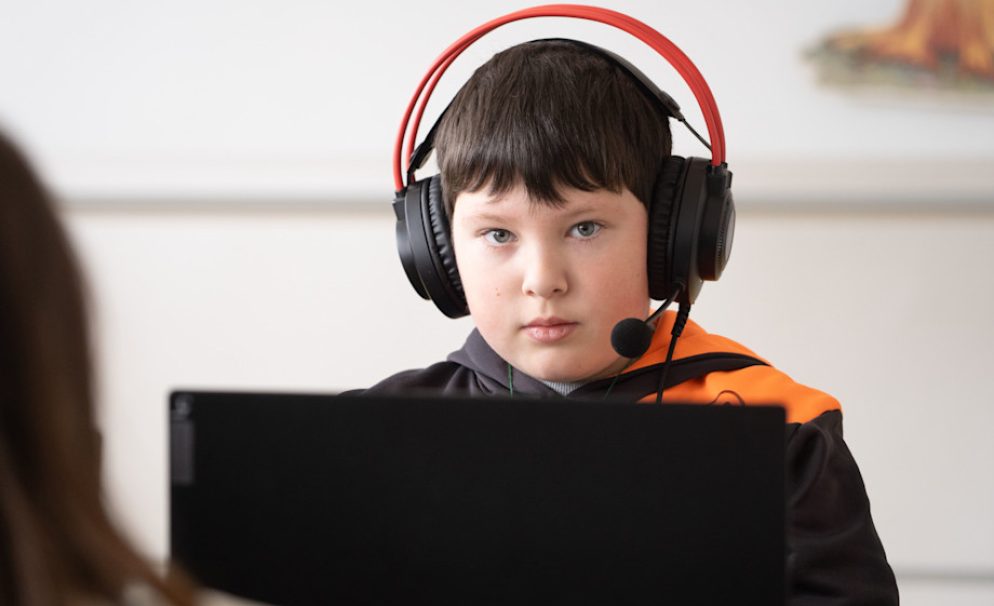
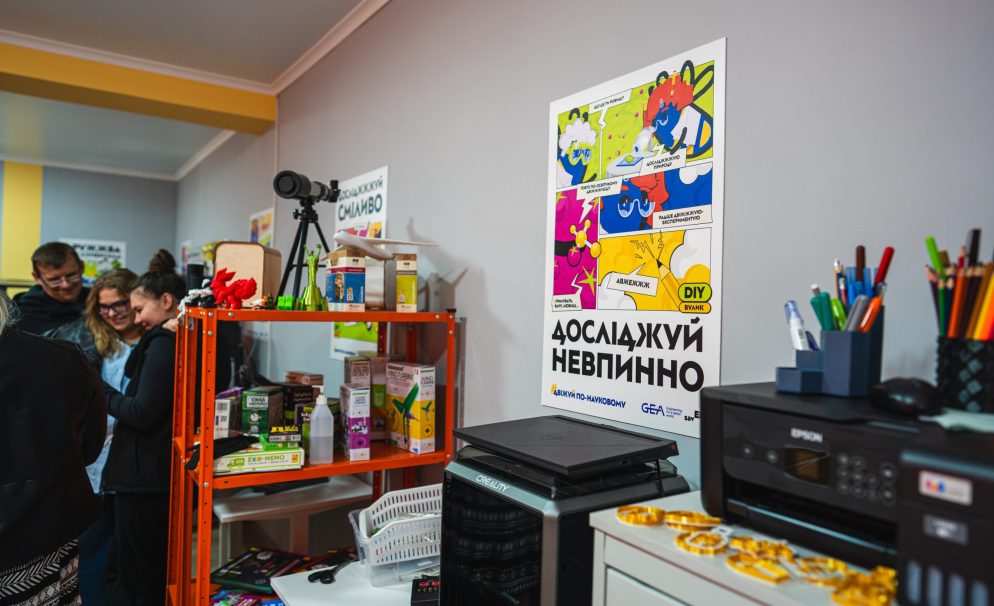
This is one of the formats of our learning centres where children learn through exploration, experimentation, and hands-on work with technology.
Currently, there are four such spaces — two in communities in Dnipropetrovsk region and two in Mykolaiv region. They are designed to support children’s development in science and technology fields and to introduce STEM/STEAM education through practice.
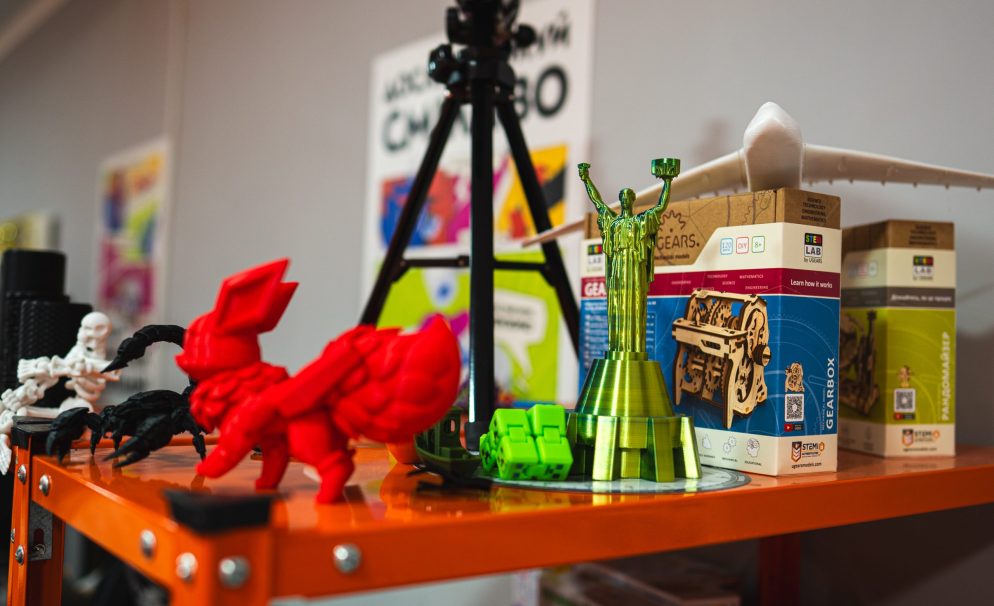
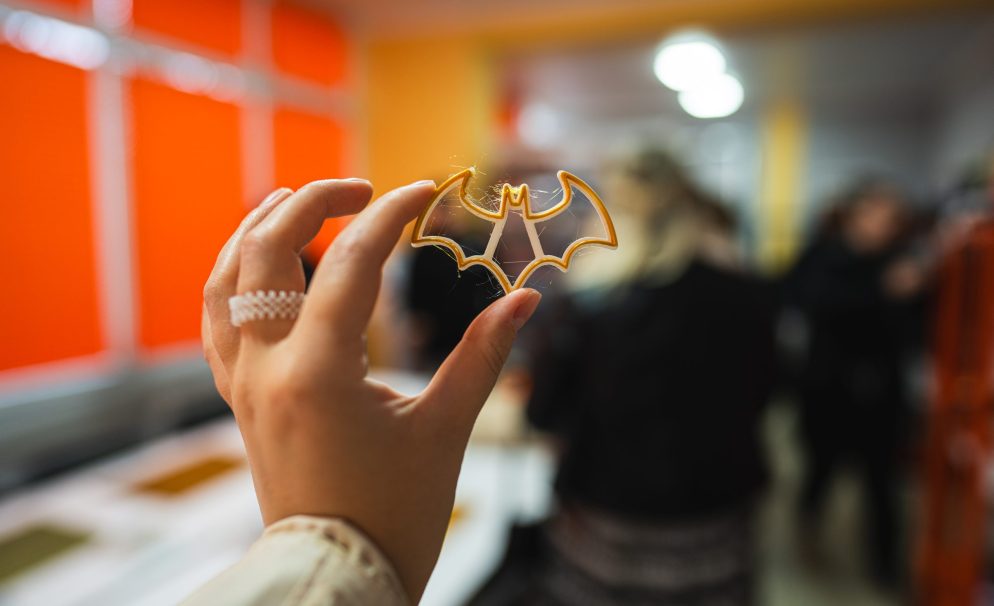
In DIY EduHives, students work with modern tools: they engage in 3D modelling and printing, robotics, programming, engraving, and create scientific and media projects.
The DIY EduHive format helps make STEM/STEAM education more accessible to children from rural and war-affected communities, brings science closer to real life and practical application, and reduces educational inequality between cities and villages.
created and launched over three years
currently operating with support from savED and partners
visited the centers in 2025
work in Dnipropetrovsk and Mykolaiv region
We focus on regions most affected by the war, where children partially or fully lack access to offline schooling due to the security situation.
With the support of international partners, the savED team has created a network of more than one hundred centers across eight regions.
We have a tested methodology for learning processes, long-term partnerships with Ukrainian educational organizations, and a well-established system for managing and administering the centers.
Our experts are ready to share their experience so that as many communities as possible can restore children’s access to education.
We are committed to the stable and uninterrupted operation of the centers and therefore constantly seek funding to support them — including tutor salaries, access to digital learning tools, and materials. If you would like to support our EduHives, reach out to us!
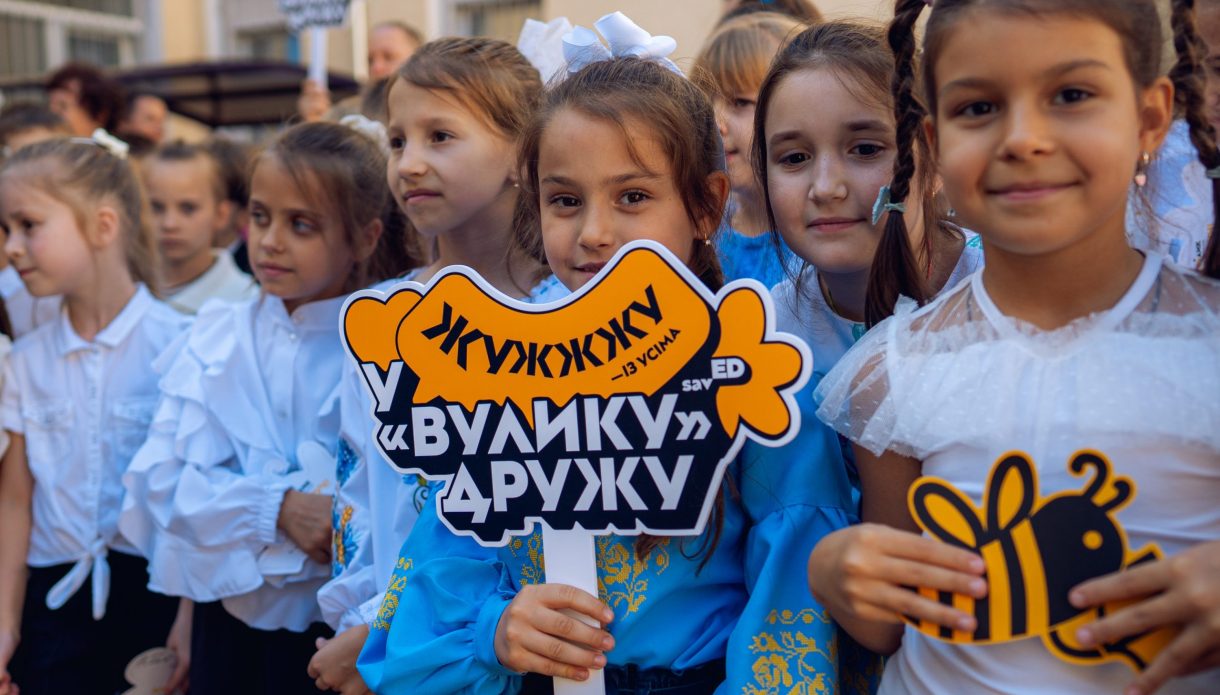





We’ve teamed up with various partners to launch dozens of educational centers, giving communities dedicated spaces for children to learn and grow.
These centers are active throughout our projects. When a project ends, we seek ways to keep them running where the need is greatest. We hand over the centers that are no longer under the foundation’s direct support to local schools, empowering them to use and further develop these spaces for their children.
Here are just a few examples of the centers we’ve brought to life.



We launch hubs where the need is urgent. Local engagement and interest are key to their success.
savED’s engineers, procurement specialists, and logistics team equip the centers according to our standards.
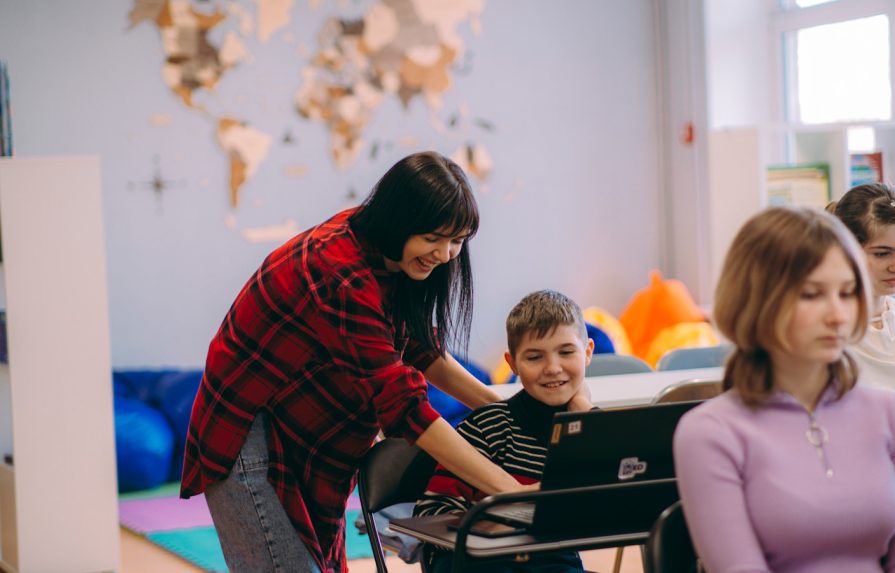
We personally select tutors who organize the learning process and later administer the centers. Our education team helps them design balanced, engaging, and development-oriented weekly schedules.
Each center runs Facebook, Instagram, or Viber pages where tutors keep the community updated about events, schedules, and news.
We regularly assess each center’s effectiveness to ensure the activities meet the community’s educational needs and to introduce structural, organizational, or content-related improvements when needed.
All equipment — from devices to mini-libraries — is transferred to the community, becoming a foundation for children’s continued development.