The 2025–2026 school year has come to an end, highlighting how Ukrainian students’ educational experience depended not only on the availability of teachers and curricula, but also on a range of wartime challenges. In frontline areas, children’s safety and ability to attend classes were threatened by air raid alerts, artillery shelling, power outages, low indoor temperatures, and the forced displacement of families.
The savED team analyzed the situation in communities across eight regions where our Vulyk educational centers operate, educational catch-up programs are implemented, and the UActive youth initiative is active. We examined the challenges that children, teachers, and local communities faced on a daily basis during the second half of the school year.
Education under constant wartime pressure
As of May 2026, more than 4,500 educational institutions in Ukraine had been damaged as a result of the war, including 423 that were completely destroyed. Although some regions are gradually restoring opportunities for in-person learning, access to this format remains limited for a significant share of frontline communities.
In the Kharkiv, Sumy, Zaporizhzhia, Dnipropetrovsk, Chernihiv, Mykolaiv, and Kherson regions, students continue to pursue their education under conditions of constant danger. In some communities, air raid alerts lasted for more than eight hours a day, while shelling forced schools to adapt their operations and switch between learning formats with little notice.
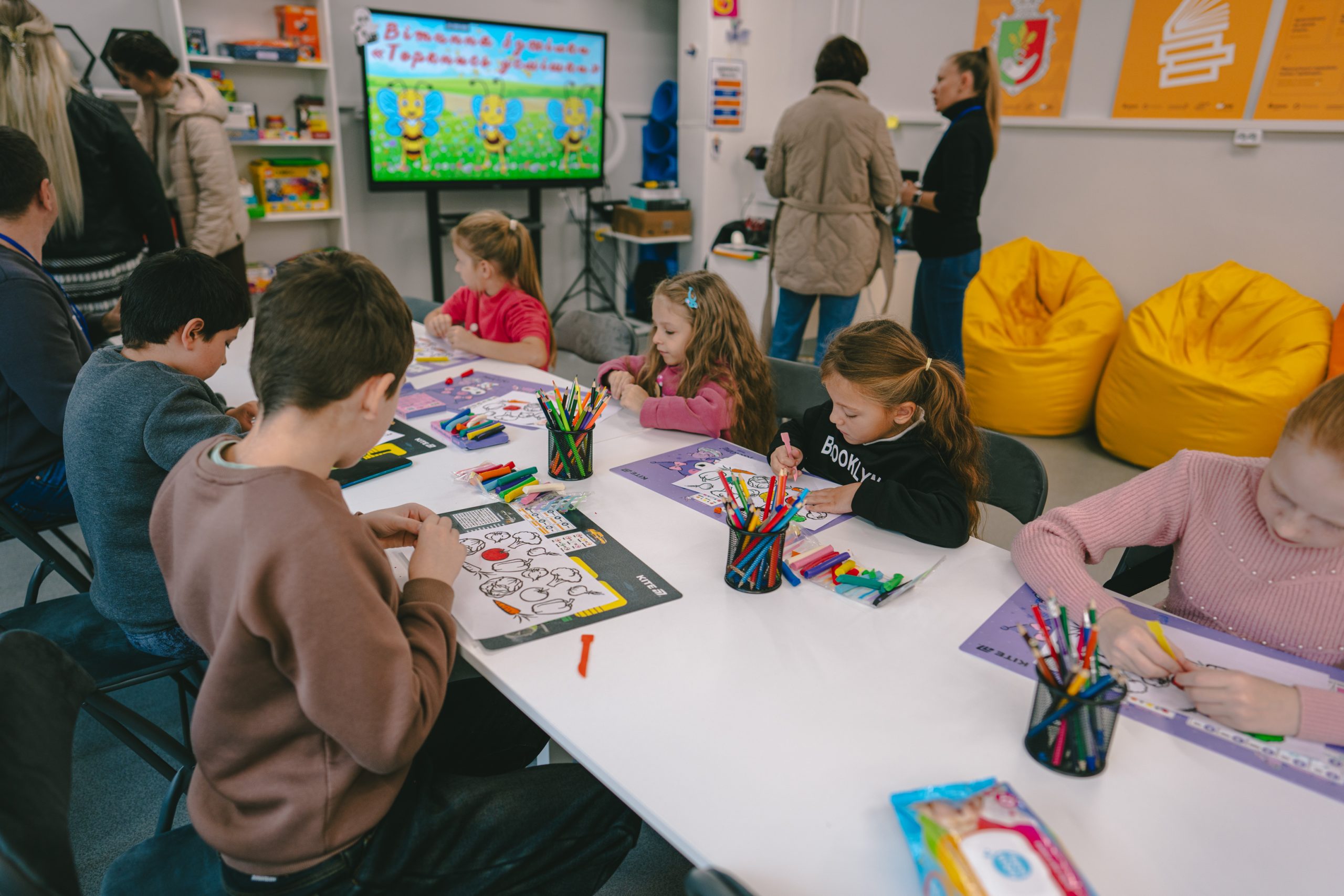
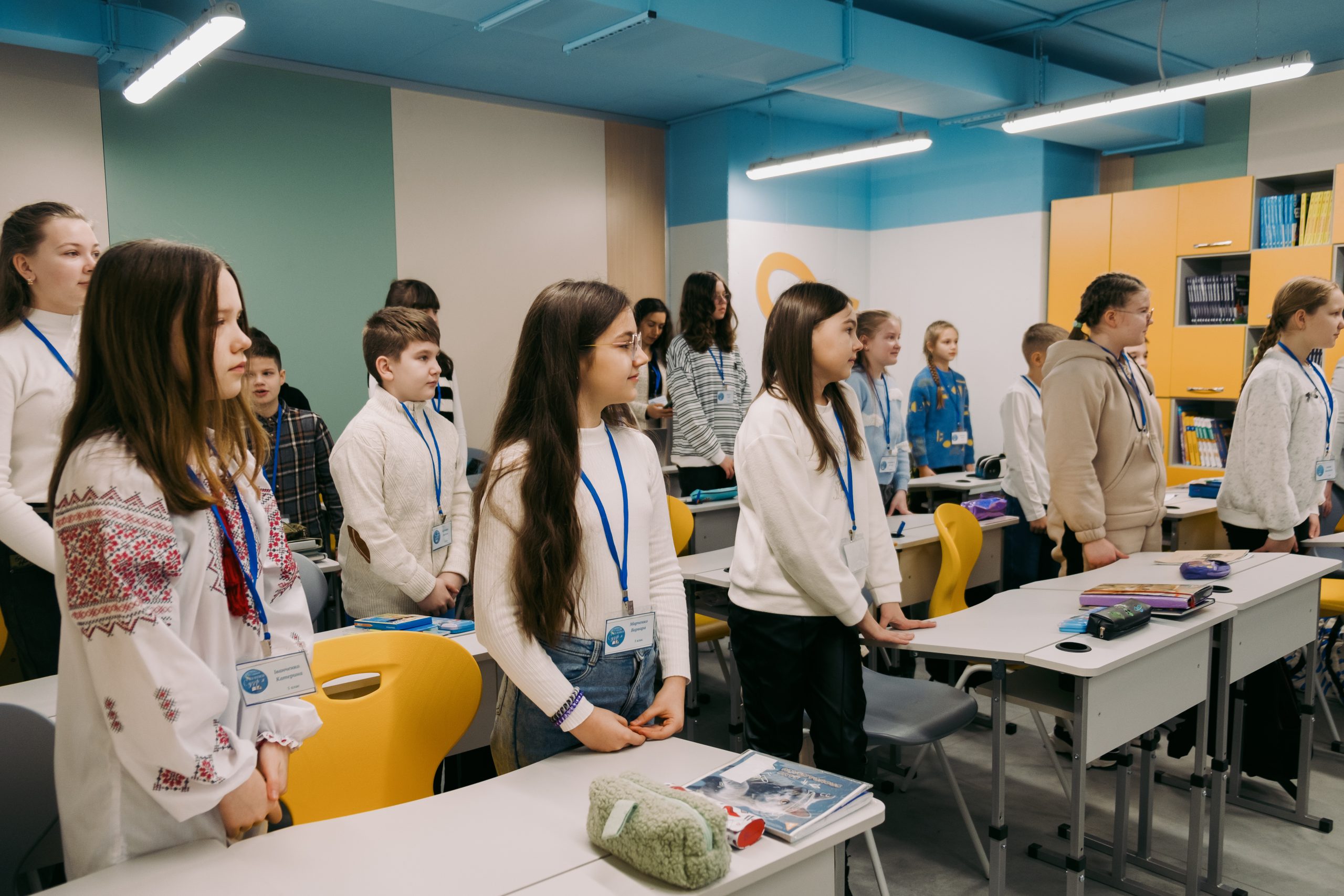
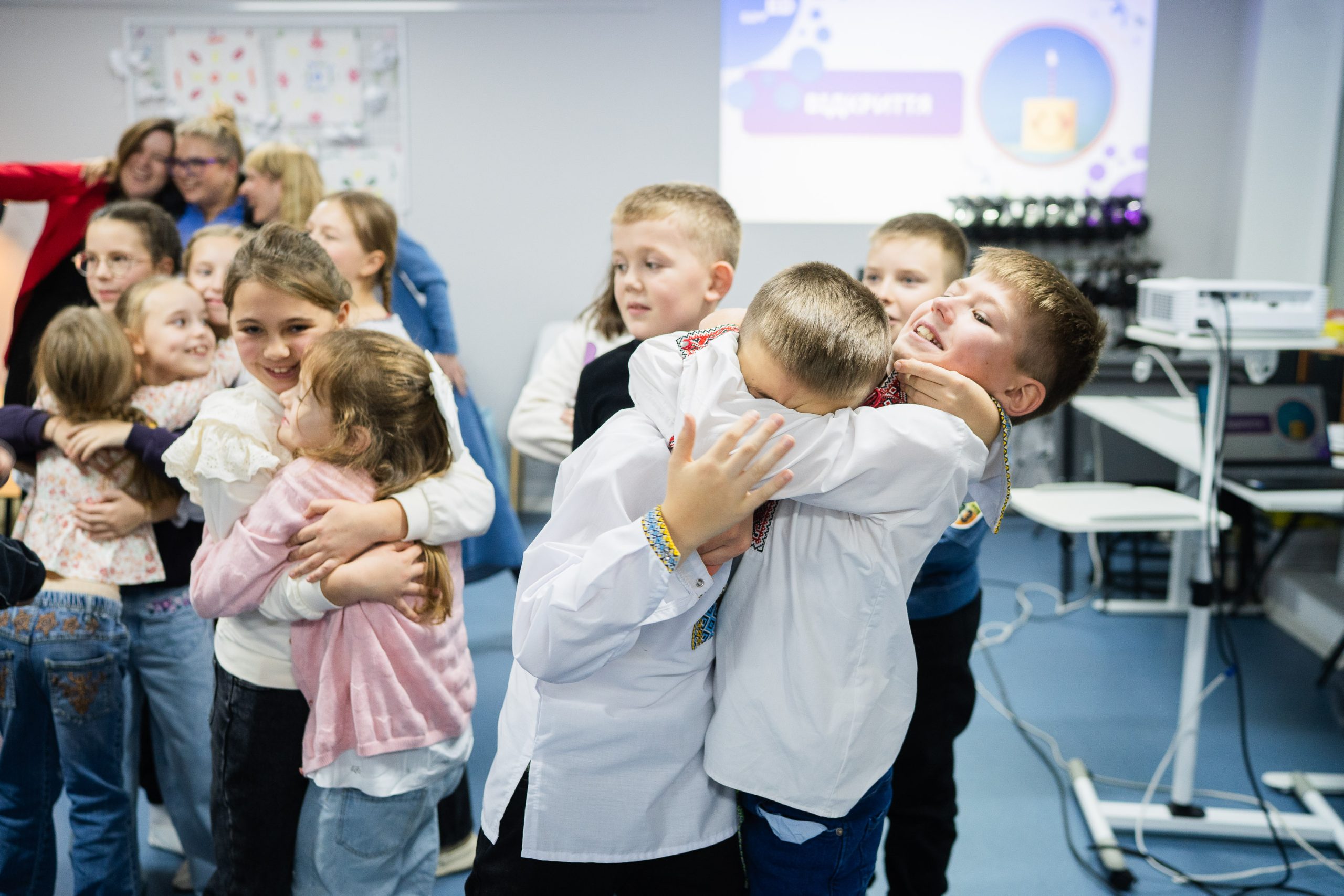
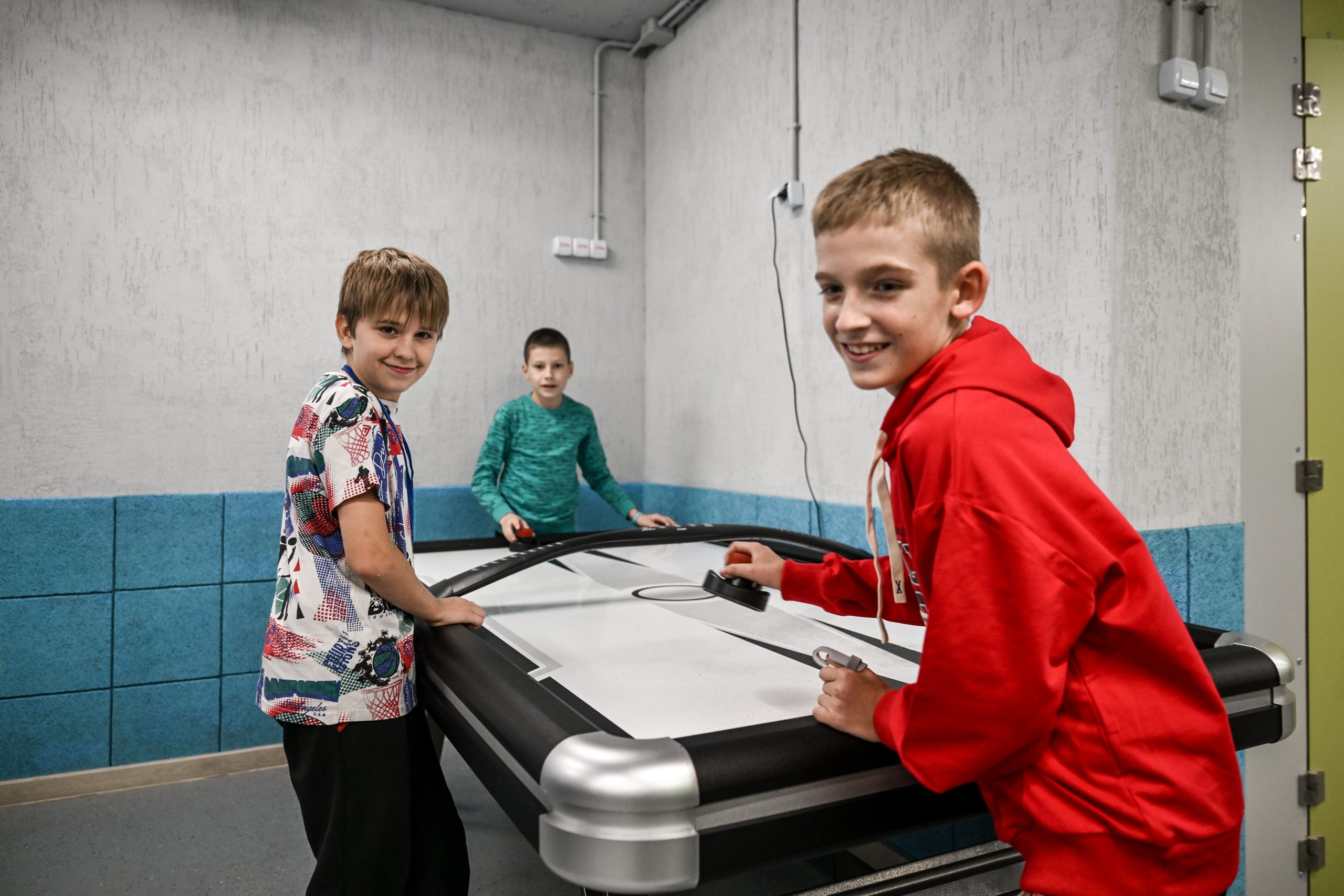
For many children, school is much more than a place to gain knowledge. It provides opportunities for social interaction, emotional support, stability, and a sense of belonging. As a result, disruptions to education have consequences that extend far beyond missed lessons.
Air raid alerts disrupted learning
During the second half of the 2025–2026 school year, the highest number of air raid alerts was recorded in the Kharkiv, Sumy, Zaporizhzhia, and Dnipropetrovsk regions.
Between December 2025 and May 2026, the Kharkiv region experienced 1,134 air raid alerts, followed by Sumy with 969, Zaporizhzhia with 913, Mykolaiv with 875, and Chernihiv with 865.
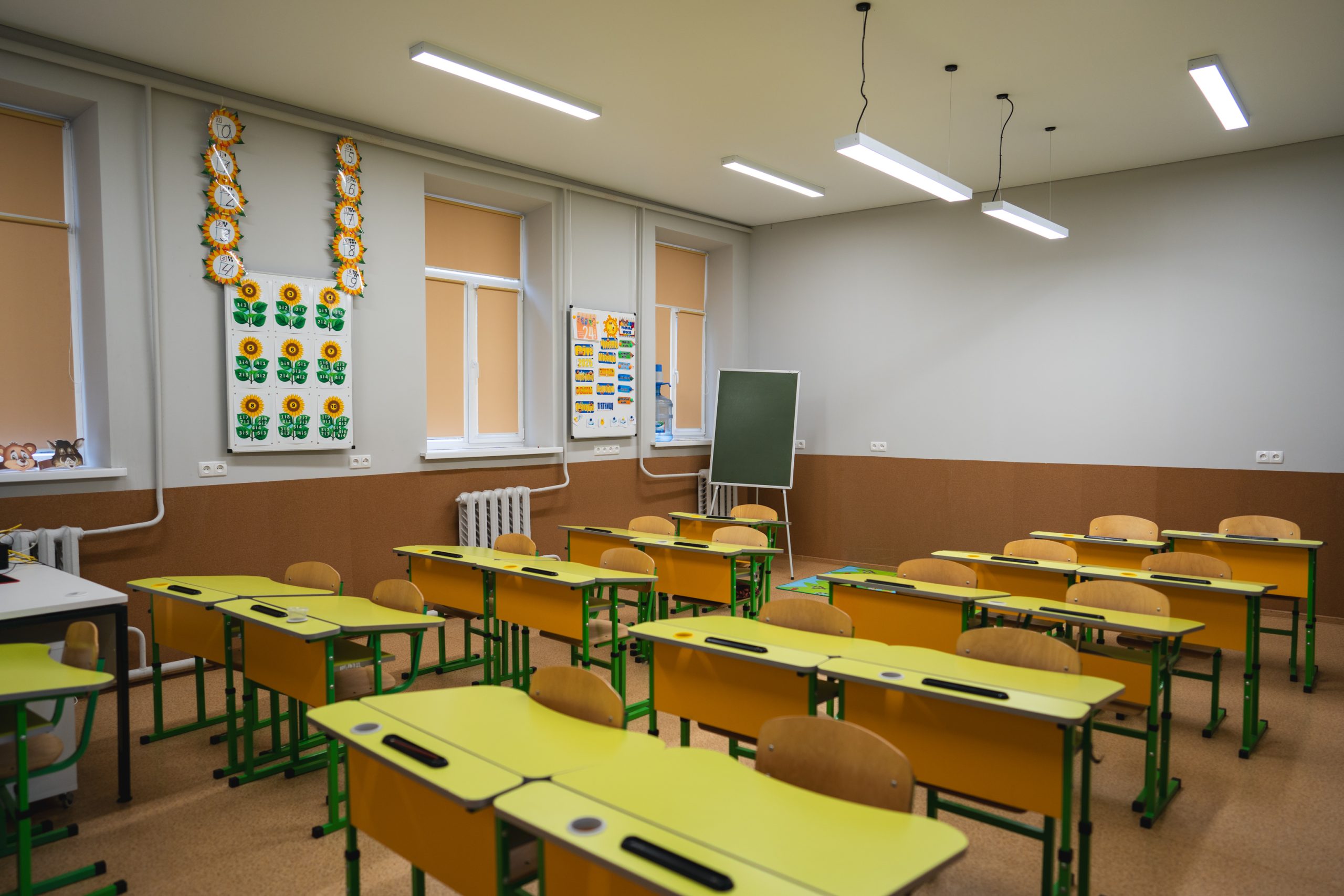
The situation becomes particularly critical when air raid alerts coincide with school hours. Children are forced to interrupt their lessons, move to shelters, and then return to class after the all-clear signal, often feeling exhausted and struggling to concentrate.
In some communities, a single air raid alert could effectively halt the entire school day, with alerts lasting between four and eight hours and, in some cases, more than eight hours.
The impact of air raid alerts extends beyond the classroom. Evening and nighttime alerts disrupt children’s sleep, increase anxiety levels, and reduce their ability to absorb new information and remain engaged in the learning process.
The energy crisis as an additional obstacle
Following renewed Russian attacks on Ukraine’s energy infrastructure, the country once again faced prolonged power outages. For children, this created additional disruptions to education and limited access to educational centers that played a vital role in supporting learning during the school year.
The consequences extended far beyond the loss of electricity. Access to heating, internet connectivity, and distance learning was also disrupted, making it increasingly difficult for children to participate in the educational process.
In some communities, power outages lasted between six and eight hours per day, and in certain areas even longer. In parts of the Zaporizhzhia region, blackouts lasted up to 12–14 hours a day.
As a result, schools and educational centers were forced to shorten operating hours, reschedule classes, or temporarily switch to online learning.
According to estimates by the Education Cluster, between early January and mid-February 2026 alone, Ukrainian students lost an average of 16.5 school days due to power and heating outages.
In some schools, indoor temperatures dropped to 9–12°C, making it impossible to conduct lessons safely and creating additional health risks for children.
Evacuation continues to reshape education
For some communities, the war brought not only anxiety and shelling but also the need to evacuate.
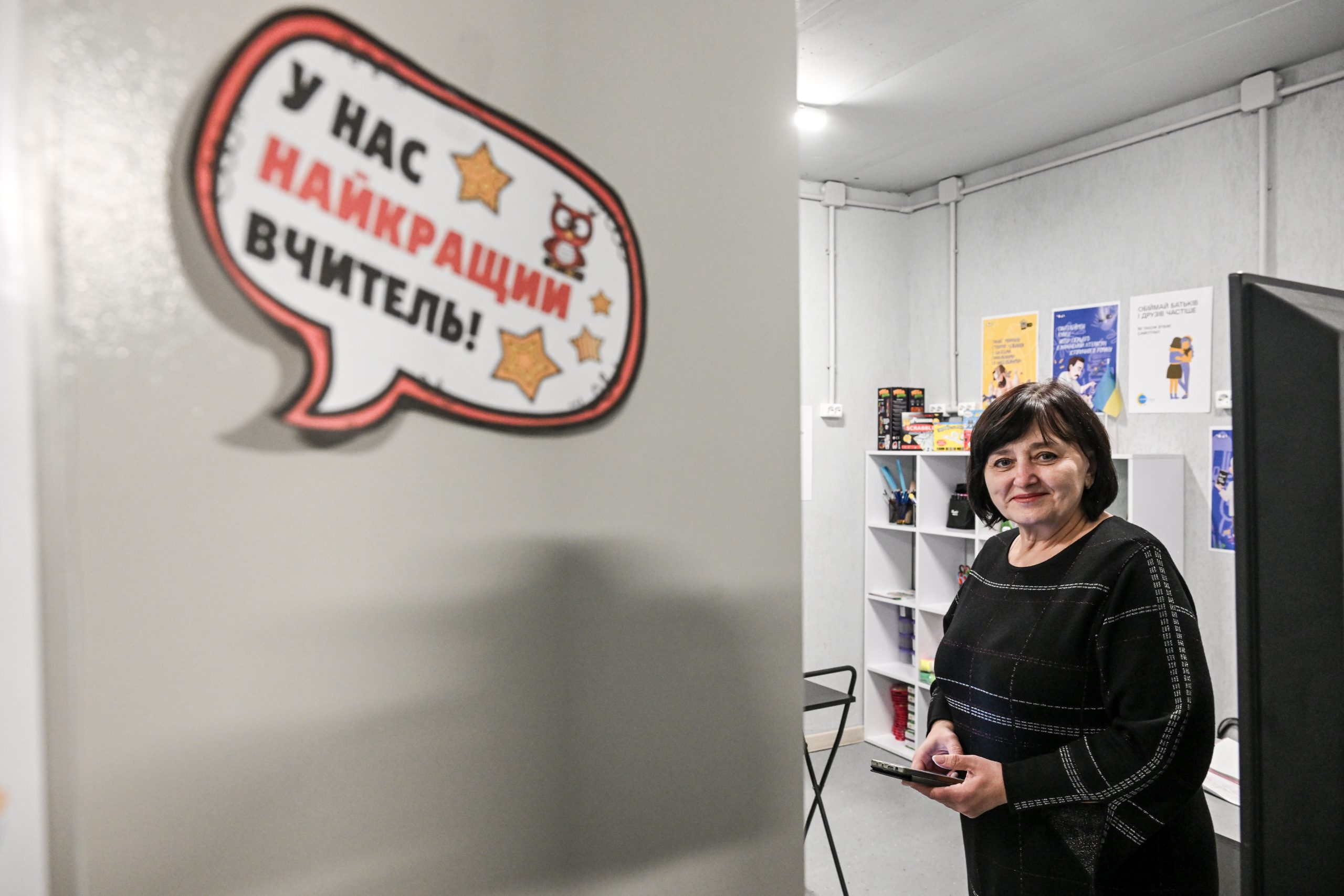
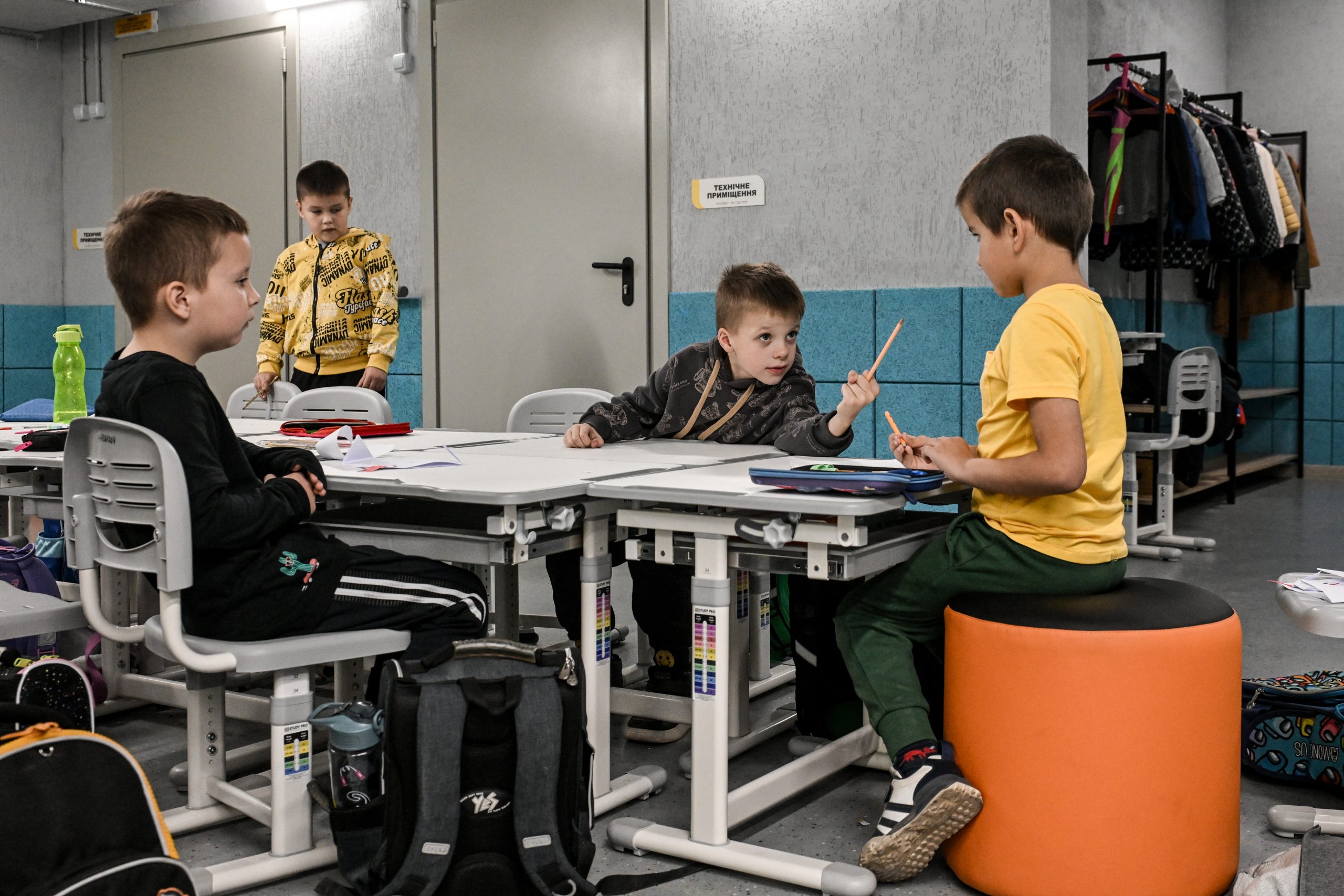
In the Dnipropetrovsk and Zaporizhzhia regions, some educational centers were forced to relocate due to increasing security risks for children and staff. While certain institutions continued operating in new communities, others temporarily moved their activities online.
Behind each of these stories are children who have had to adapt to new living and learning environments for the second or even third time since the start of the full-scale invasion.
Why safe shelters remain essential
Even where schools continue to operate, the quality and continuity of education depend directly on the availability of safe and comfortable shelters.
As of 2026, more than 24,000 shelters had been established in educational institutions across Ukraine. However, they are able to accommodate only 52.5% of participants in the educational process. This means that nearly half of Ukrainian students and educators still lack adequate protection during air raid alerts.
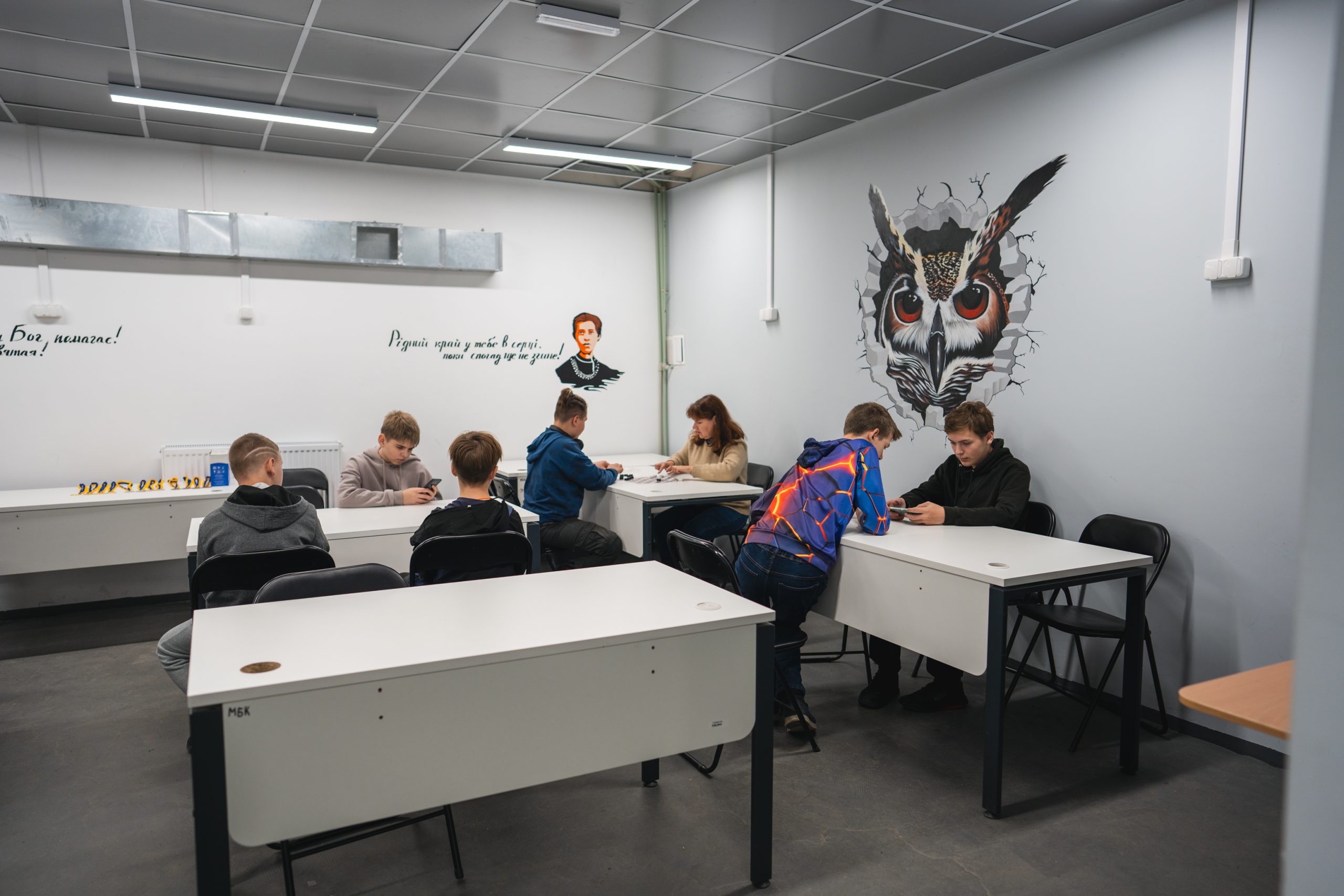
A modern shelter is not merely a protective space during an emergency. It is a place where lessons can continue, extracurricular activities can take place, group work can be organized, and the regular rhythm of learning can be maintained.
For this reason, the development of safe educational infrastructure remains one of savED’s key priorities. Since the start of the full-scale invasion, the foundation has established safe educational spaces in dozens of educational institutions across frontline regions.

Key findings and conclusions
The experience of the second half of the 2025–2026 school year demonstrates that learning losses are not caused solely by missed classes.
The quality of education is affected by prolonged air raid alerts, unstable electricity supply, forced displacement, psychological exhaustion among children and educators, and limited opportunities for face-to-face interaction with peers.
Supporting education during wartime therefore requires comprehensive solutions. Safe shelters, backup power systems, learning recovery programs, support for teachers, and opportunities for children to socialize all remain essential for ensuring that Ukrainian students can continue learning despite the ongoing war.
During the school year, savED provided backup power solutions to more than 90 educational facilities, enabling learning for 25,477 children. In addition, 32,274 students from 369 educational institutions participated in programs designed to address learning losses.
Ukraine’s educational crisis extends far beyond damaged school buildings.
Prolonged air raid alerts, blackouts, evacuations, and psychological exhaustion continue to affect educational quality, children’s social development, and communities’ capacity for recovery and long-term resilience.
That is why supporting education during wartime is not only an investment in individual children but also in the future resilience of Ukrainian communities and the country as a whole.
Today, education is about far more than acquiring knowledge. It is a foundation for community resilience, social cohesion, and Ukraine’s future recovery and development.