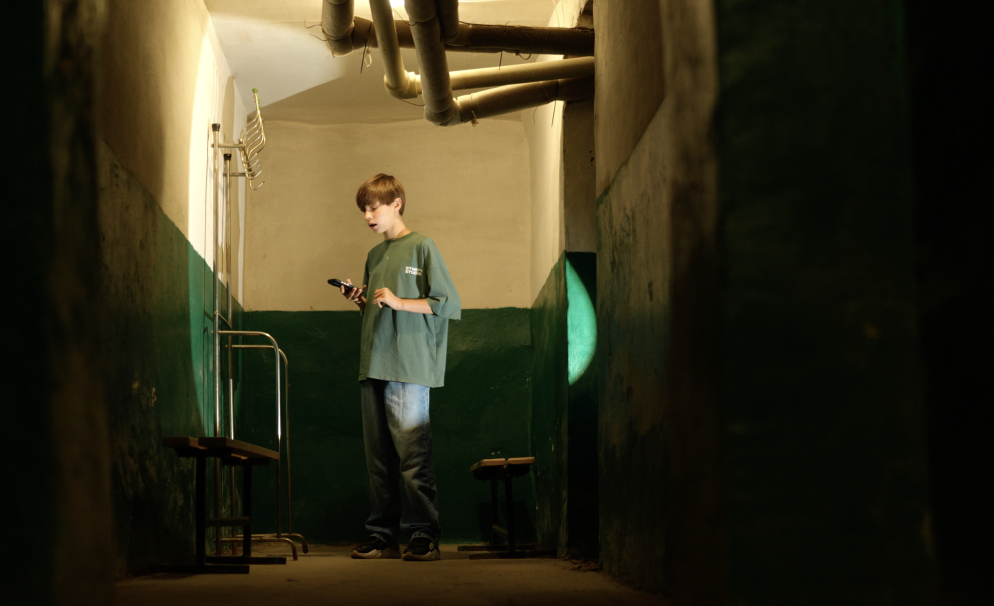
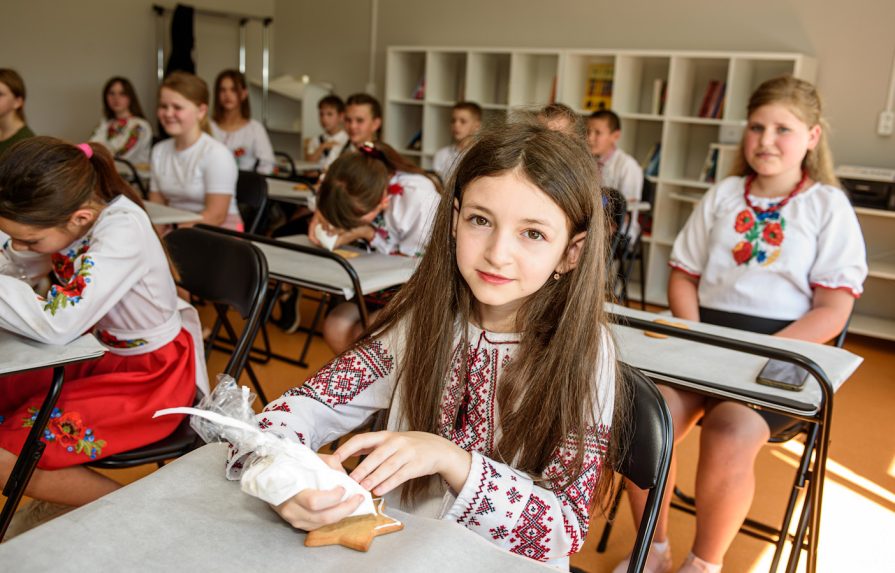
savED is launching a fundraiser to renovate and equip additional rooms in the shelter of one of the lyceums in the Sumy region (we do not name the exact location at the community’s request for security reasons).
The expanded shelter — a corridor and six classrooms — will become a safe learning space not only for this lyceum’s students but also for children from a neighboring lyceum and a local kindergarten.
- Region Sumy
- Students 565


In February–March 2022, fierce battles took place in this town in the Sumy region, only 32 kilometers from the Russian border.
Despite the heavy assault from the north, the town held its ground and was awarded the title of Hero City.
Today, it remains within a potential combat zone. Air raid alerts can last 12–14 hours a day, and the town still suffers periodic massive shelling that damages civilian and social infrastructure.
Additionally, due to growing pressure on nearby communities, many people have relocated here. The town has become a refuge for displaced families: as of September 2025, the lyceum we are fundraising for has 54 students with IDP status.
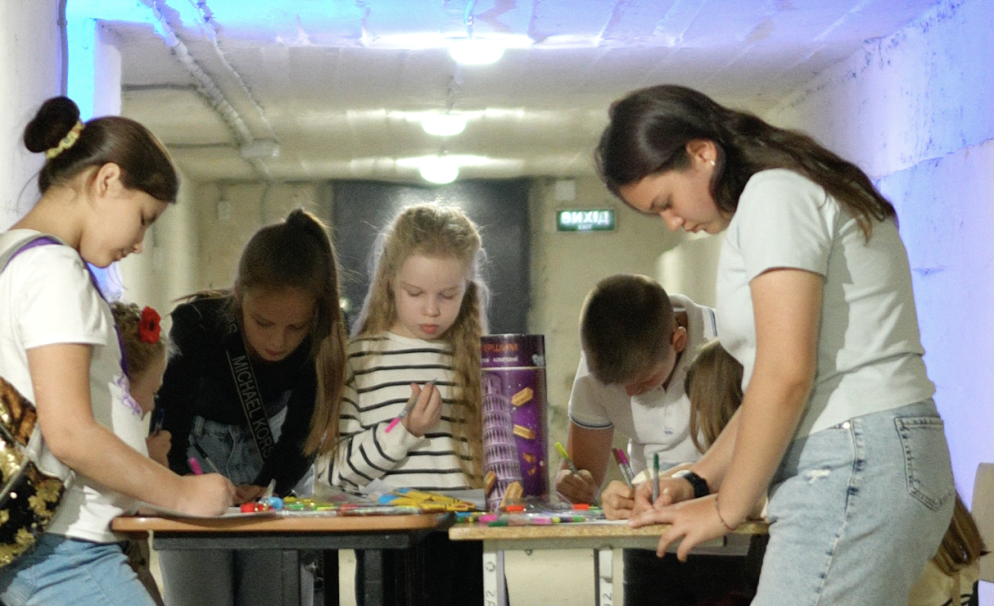
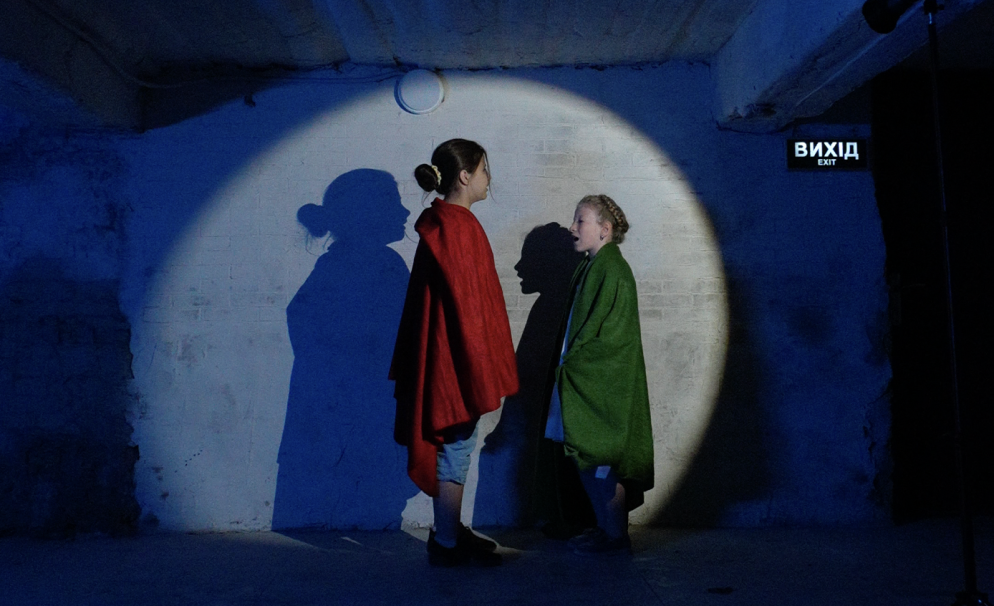
Because of constant danger and the lack of proper shelters, children here still have limited access to education.
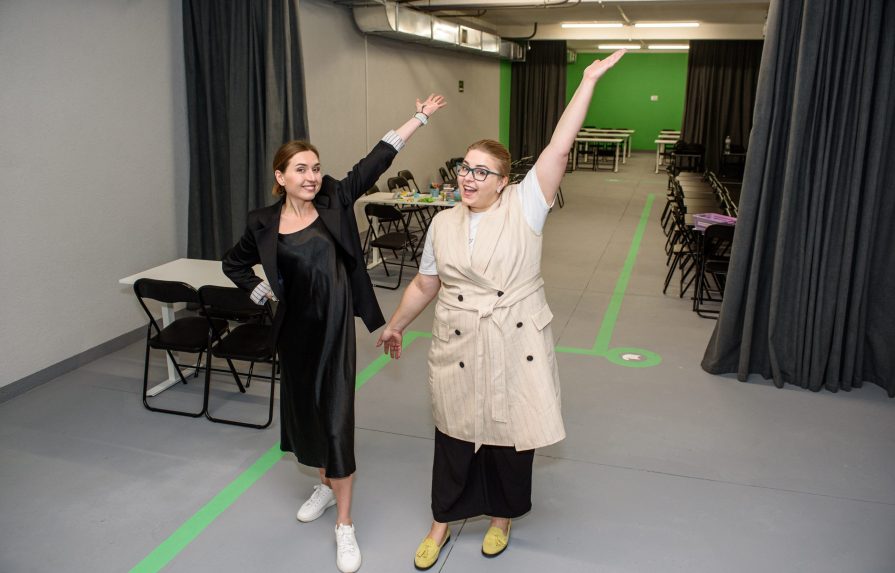
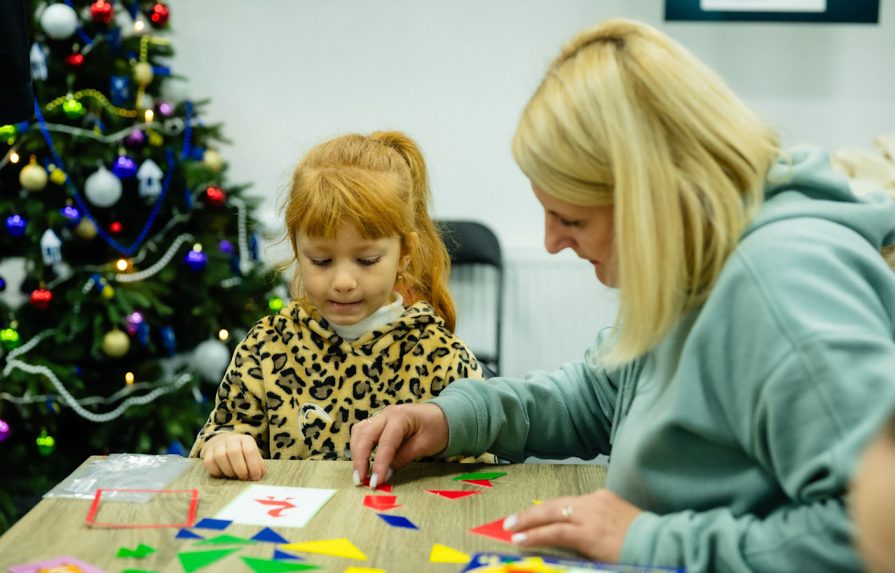
In 2022, the lyceum resumed learning in a blended format, but there are almost no safe underground spaces. With support from Education Cannot Wait, the savED team equipped an EduHive learning center in the school’s basement — but one room is not enough.
To bring all students back to offline learning, additional rooms must be renovated and equipped.
On September 1, 2025, we launched the “Future at Home” campaign along with a video manifesto supporting the fundraising effort.
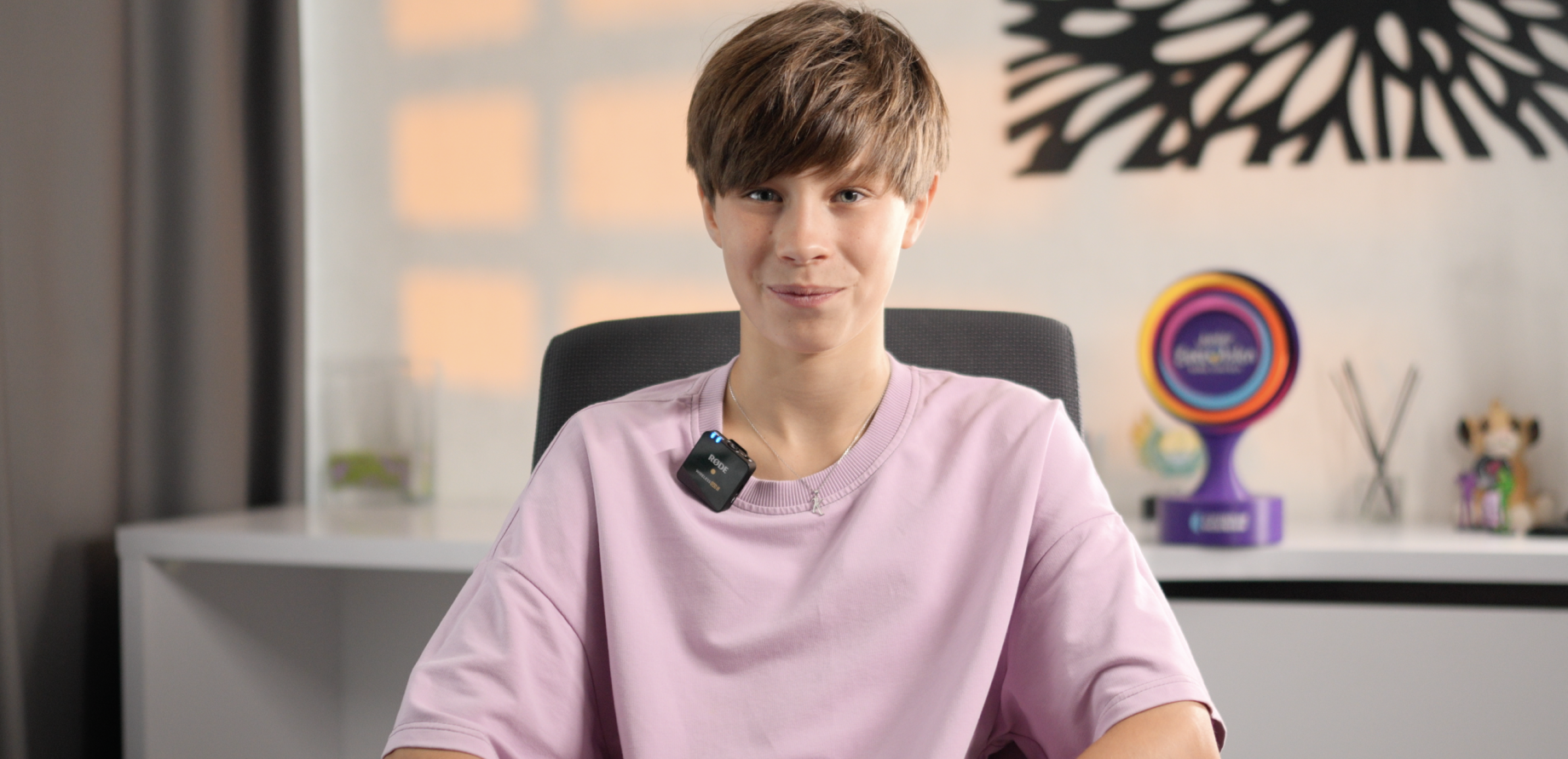
The campaign was joined by Artem Kotenko — Ukraine’s representative at Junior Eurovision 2024 — whose song “Hear Me Now” became the voice of young people who dream of staying in Ukraine and building their future here.
In the video, he shares what his everyday life in Okhtyrka looks like during the war and calls on viewers to support him and other children who want to live and learn at home — to keep attending offline classes, stay connected with their peers, and move forward despite everything.