
Results of 2025
The year 2025 was a year of maintaining focus and delivering on savED’s mission under the immense pressure of Russia’s armed aggression. Working in frontline communities became significantly more difficult, especially in the second half of the year: enemy advances, forced evacuations, energy terror, cold weather, and power outages forced nearly one million children to study remotely.
Yet these challenges proved something important: learning in shelters and safe spaces has not only remained relevant but has become even more critically important for preserving children’s connection to their communities. Rather than dispersing our efforts across occasional initiatives, we strengthened our team and approaches around key focus areas to scale both quality and impact.
In our annual report, we take a detailed look at the effectiveness of education support tools and share our key results.
Key figures and geography of recovery
In 2025, our network of education centers doubled, while the geography of our work expanded to nine regions, including new focus areas — Sumy, Kherson, and Odesa regions.

Thanks to trust and close cooperation with our partners, we achieved the following results:
-
+228,000 children received support in learning, development, and the simple daily joys of childhood.
-
+50,000 children caught up on learning losses, lesson by lesson.
-
116 communities became part of our joint efforts to restore life through education.
-
10 shelters in schools and kindergartens were renovated.
-
More than 5,000 children sat at school desks again for the first time since the start of the full-scale invasion.
The story of the year: A reason to return home to the village of Zavodske
A vivid example of our comprehensive approach is the story of the village of Zavodske (Pervomaiske) in the Mykolaiv region. After eight months in the combat zone, the community was devastated, and of the more than 800 children who lived there at the beginning of 2023, only 50 remained. They studied remotely without stable internet or electricity.
The appearance of a “Hive” learning space, located in the surviving outpatient clinic building, became the starting point for recovery: people realized that there was a reason to return home. Later, we arranged a shelter in the basement of a nearby five-story residential building. In 2025, together with partners, we built a modular school — a lyceum with six spacious classrooms equipped with modern technology, an accessible restroom, and alternative energy sources.
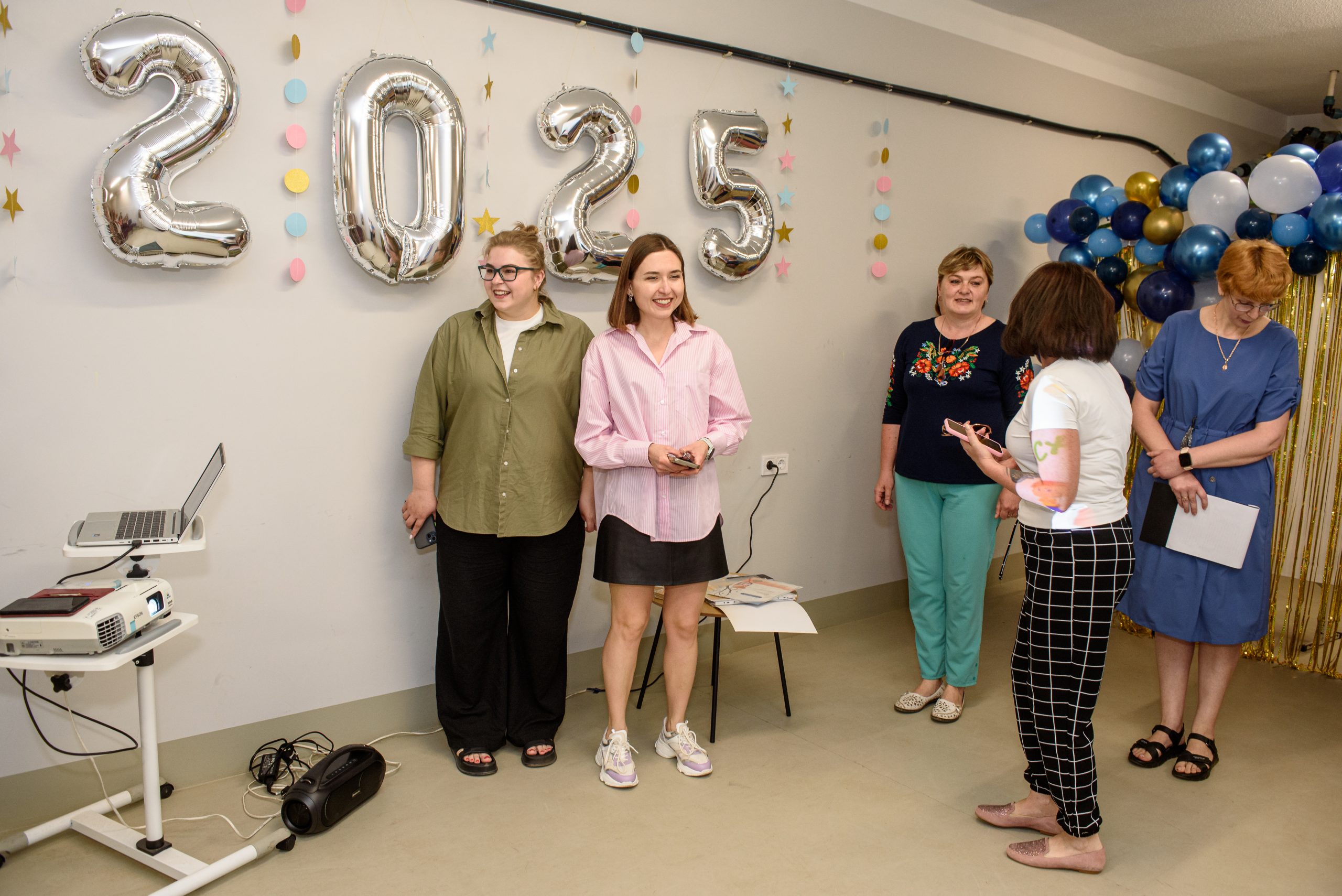
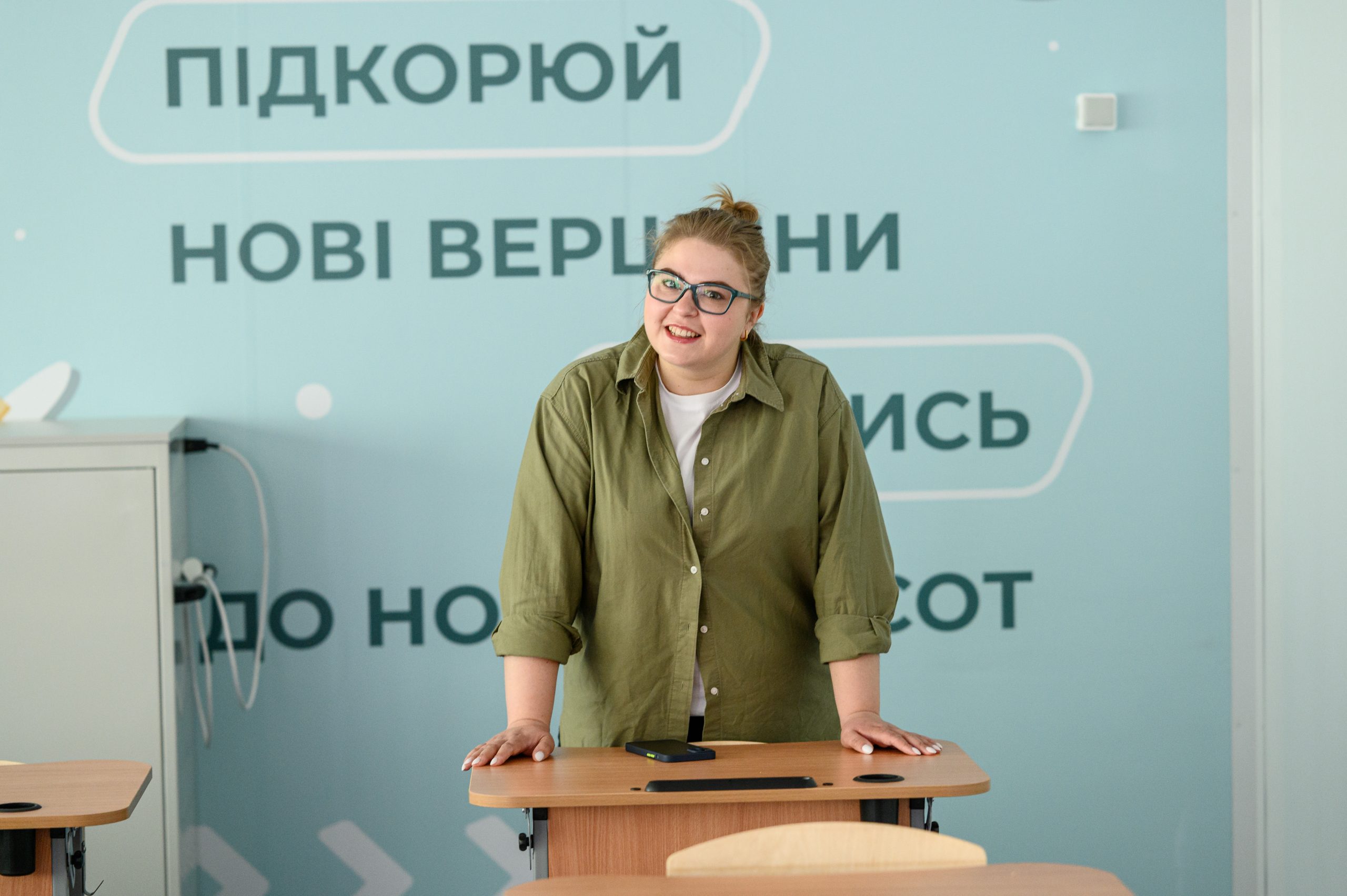
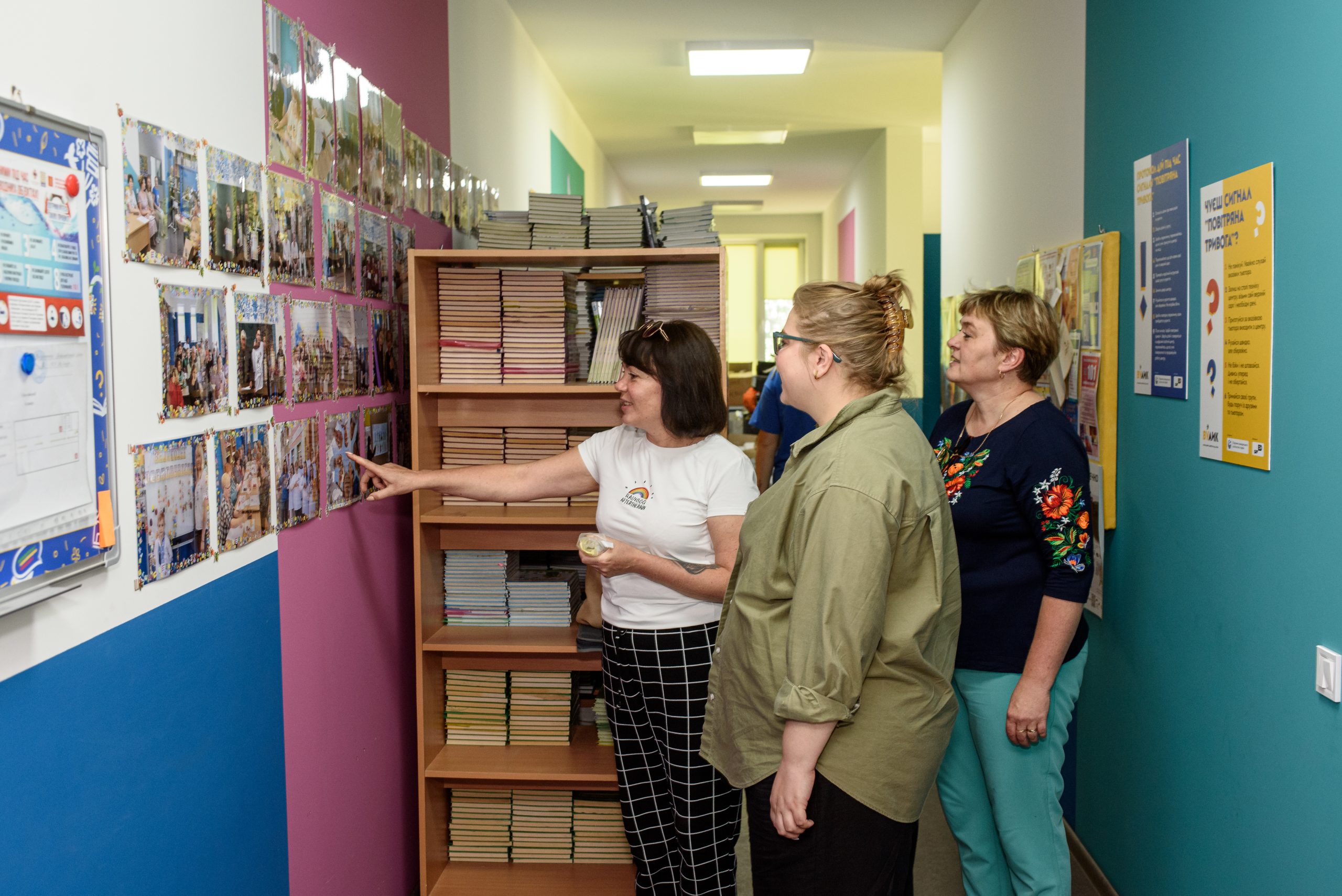
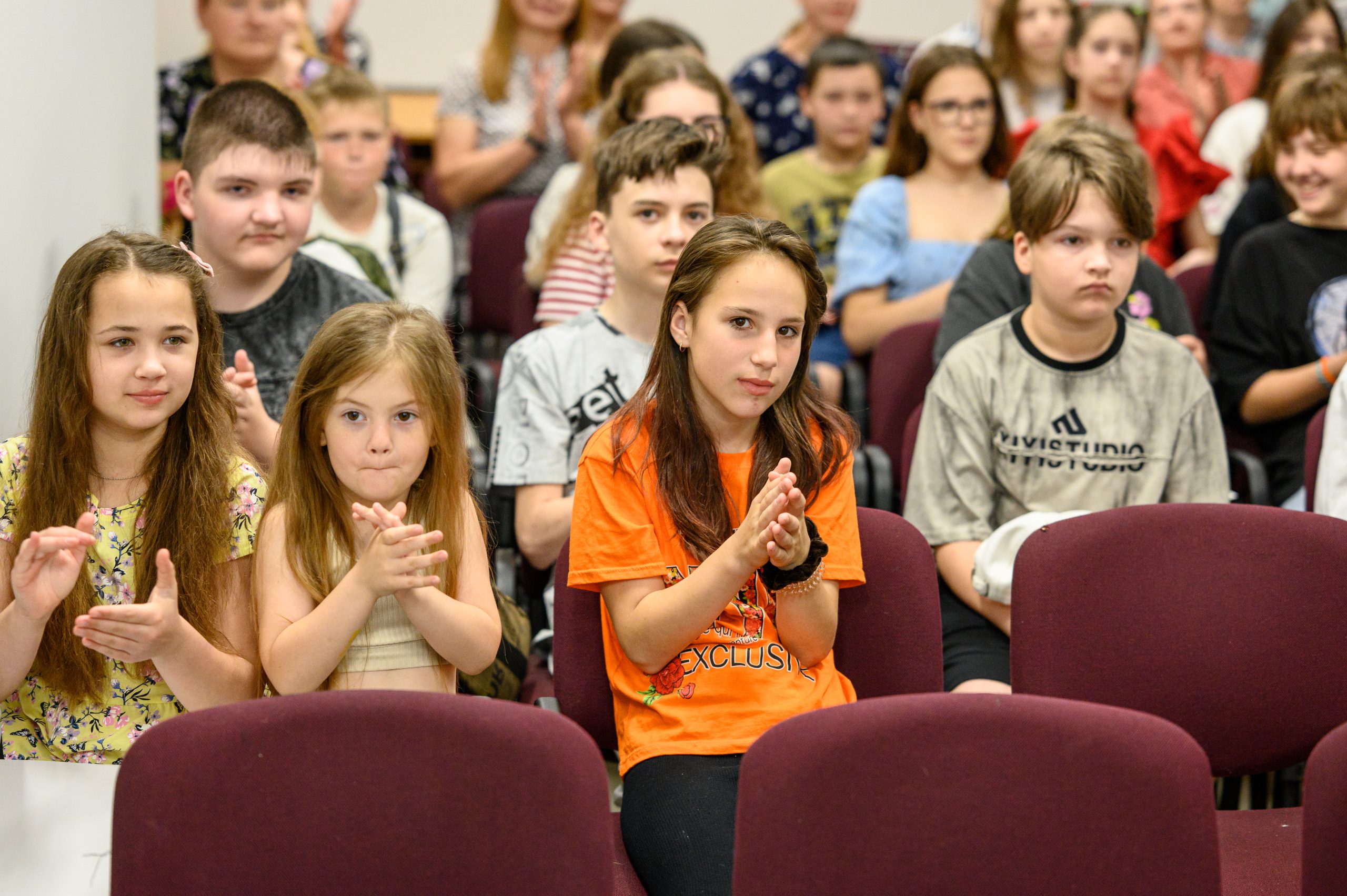
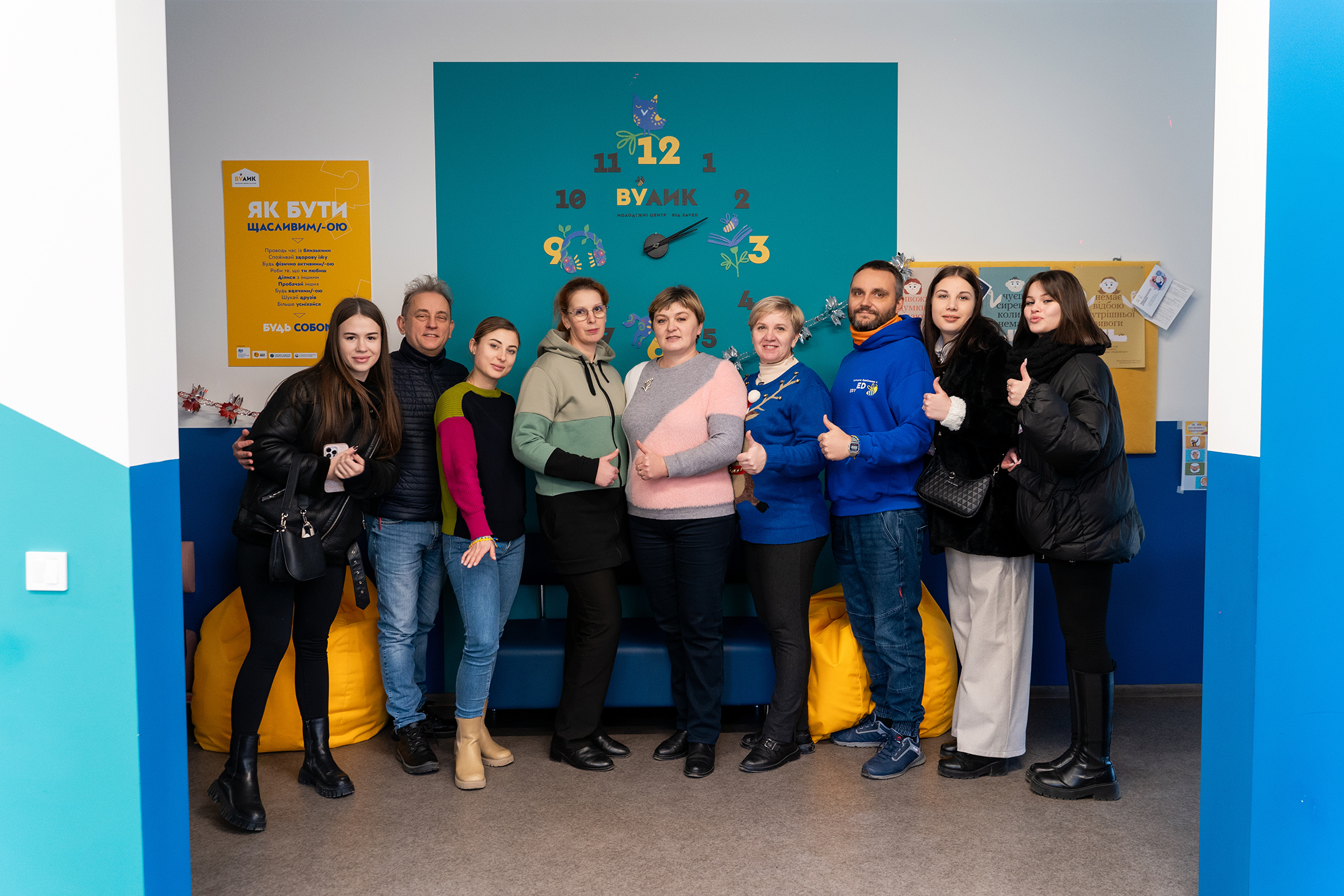
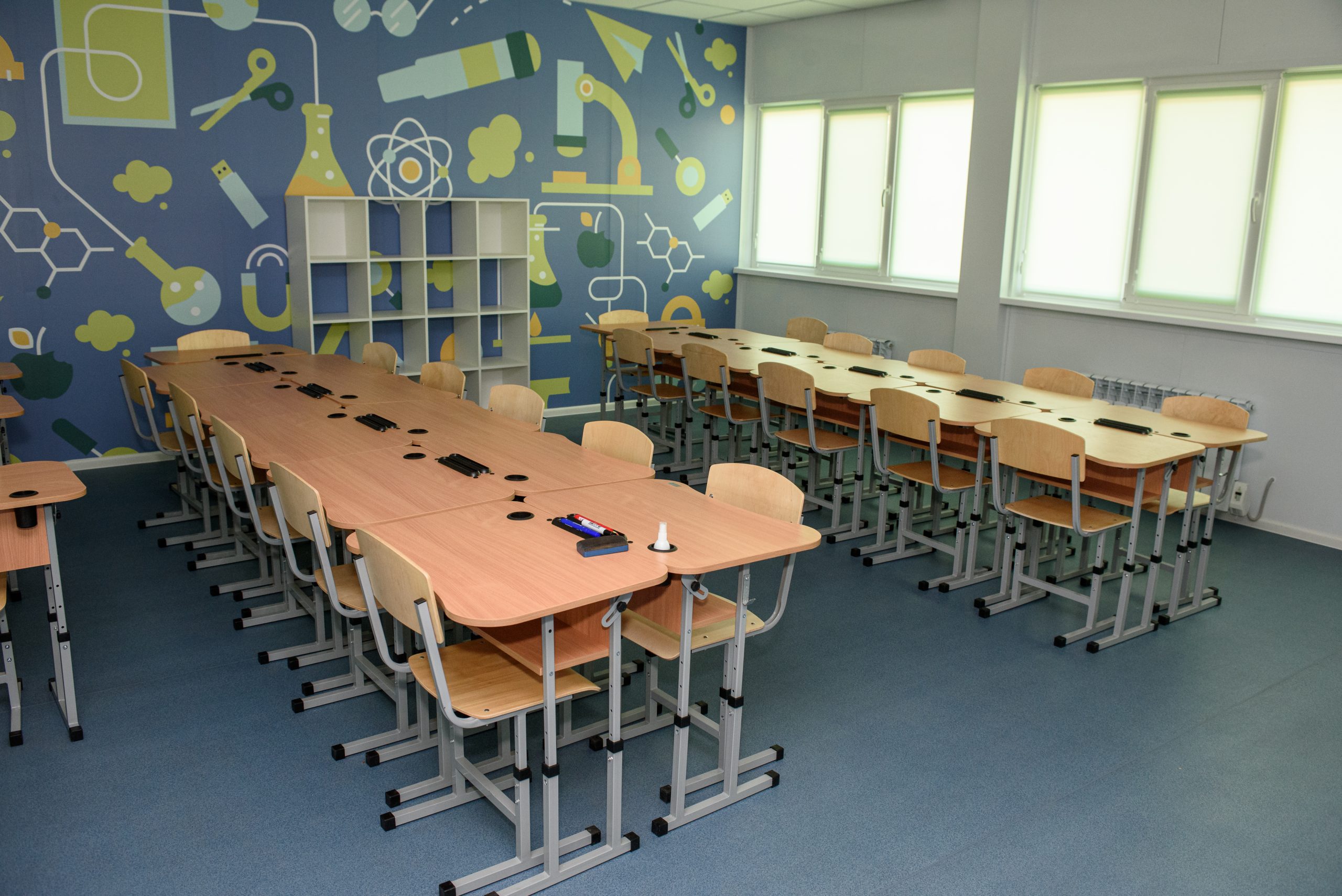
By the end of 2025, the lyceum employed 25 teachers and had 235 students enrolled. Every day, another 80 students from nearby villages join them, transported by school buses. Meanwhile, the “Hive” has grown from a single room into a space occupying an entire floor of the medical facility, bringing together more than a hundred people daily for classes, clubs, and film screenings.
Mykolaiv, a hero city, lived for a long time under constant shelling and a sense of permanent danger. Education in such conditions became particularly vulnerable: because of air raid alerts and a shortage of shelters, both schoolchildren and preschoolers lost the opportunity to study and interact safely in person.
In the summer of 2025, with the support of the LEGO Foundation, we equipped three modern shelters in Mykolaiv. One of them became a unique shared space for both a preschool institution and a gymnasium. We transformed the basement into a fully functional educational environment, with learning zones for school students and play areas and rest beds for younger children.
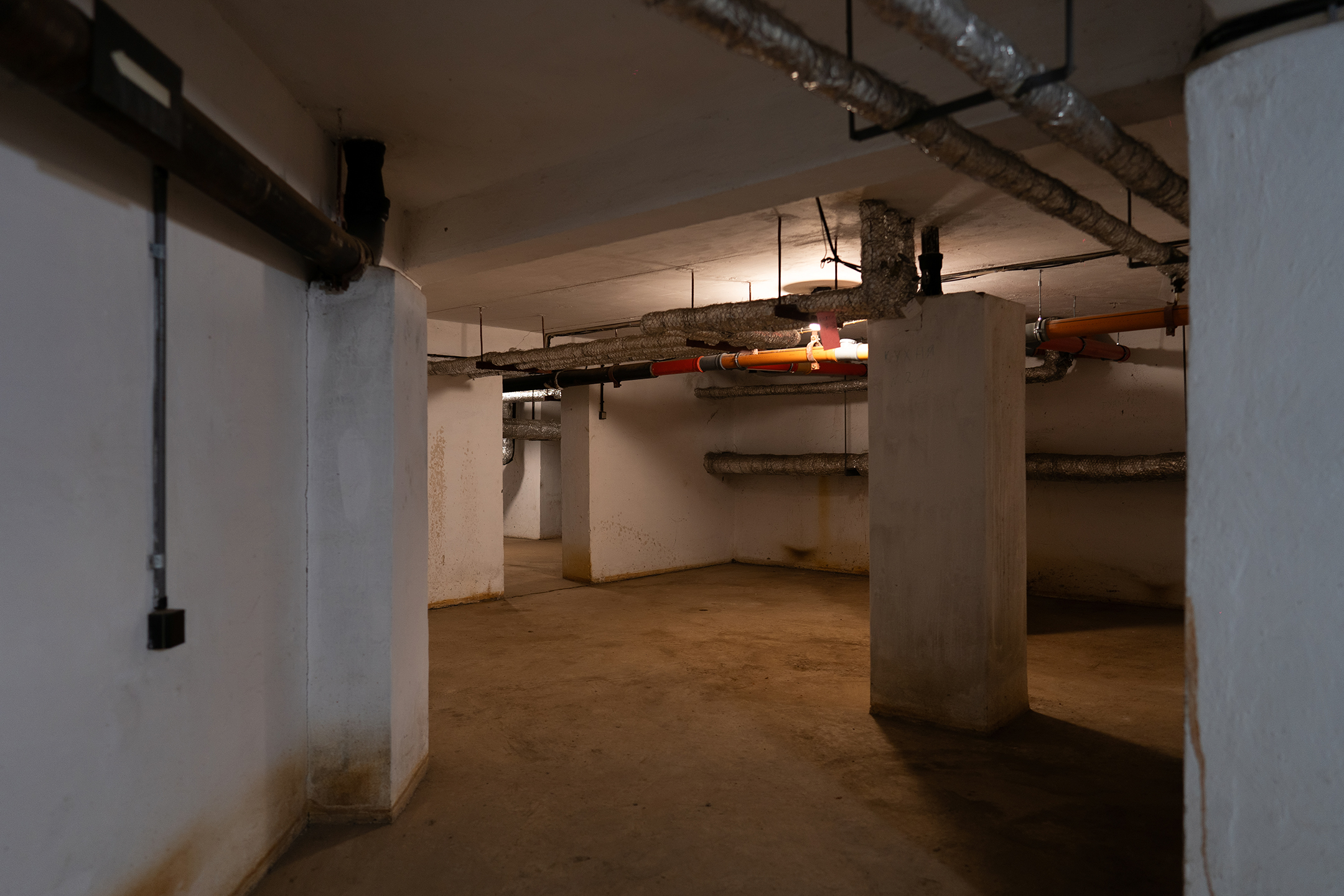
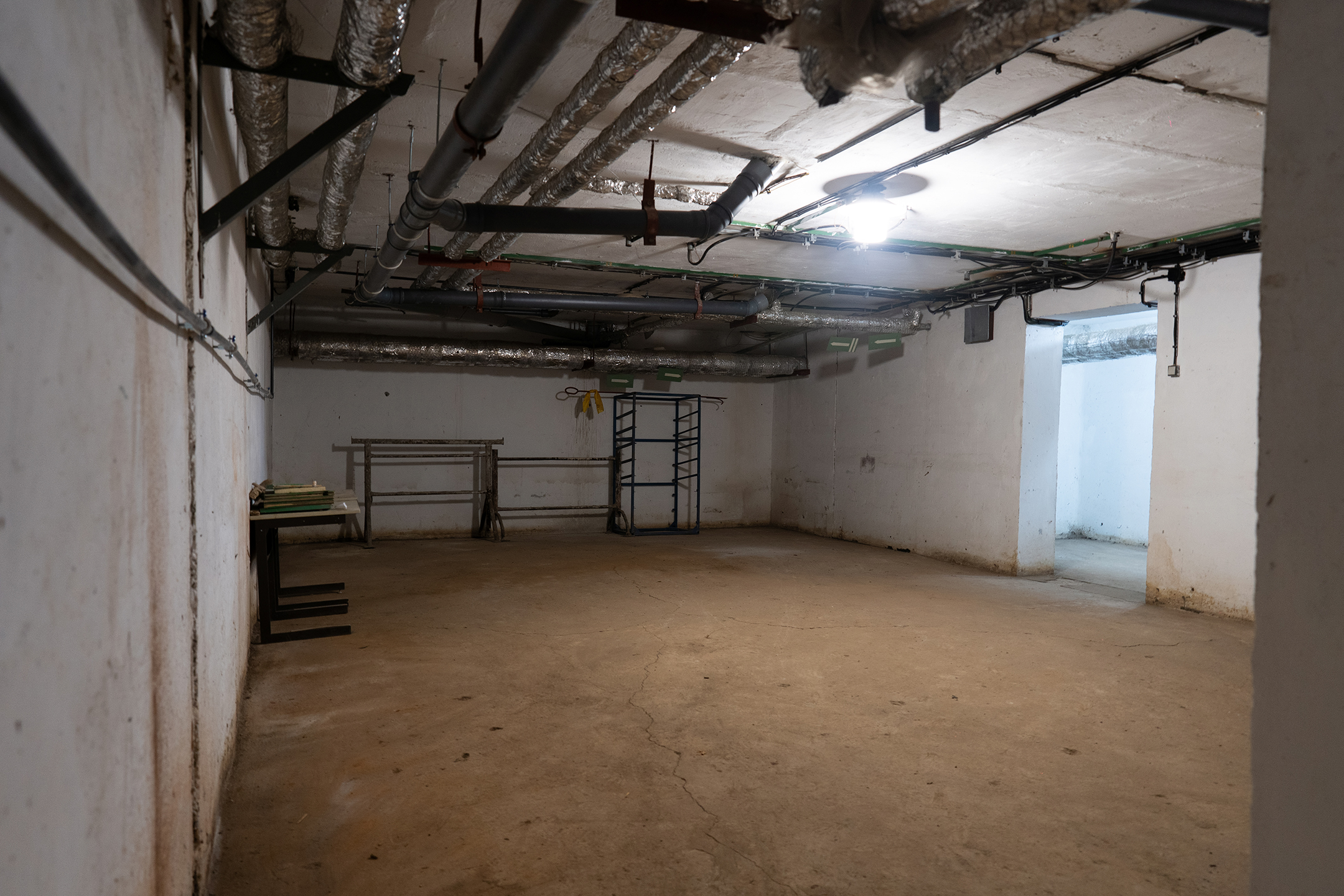
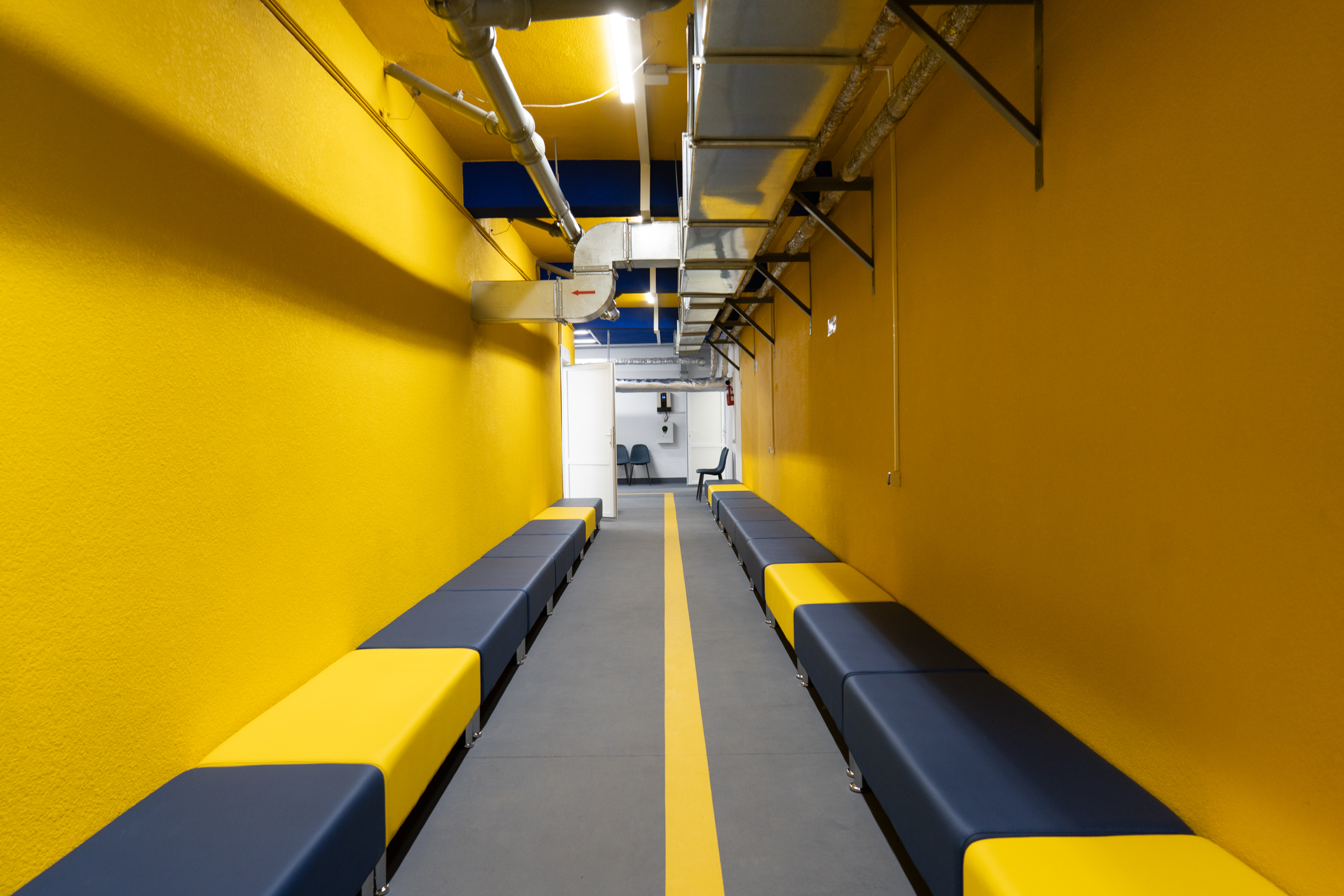
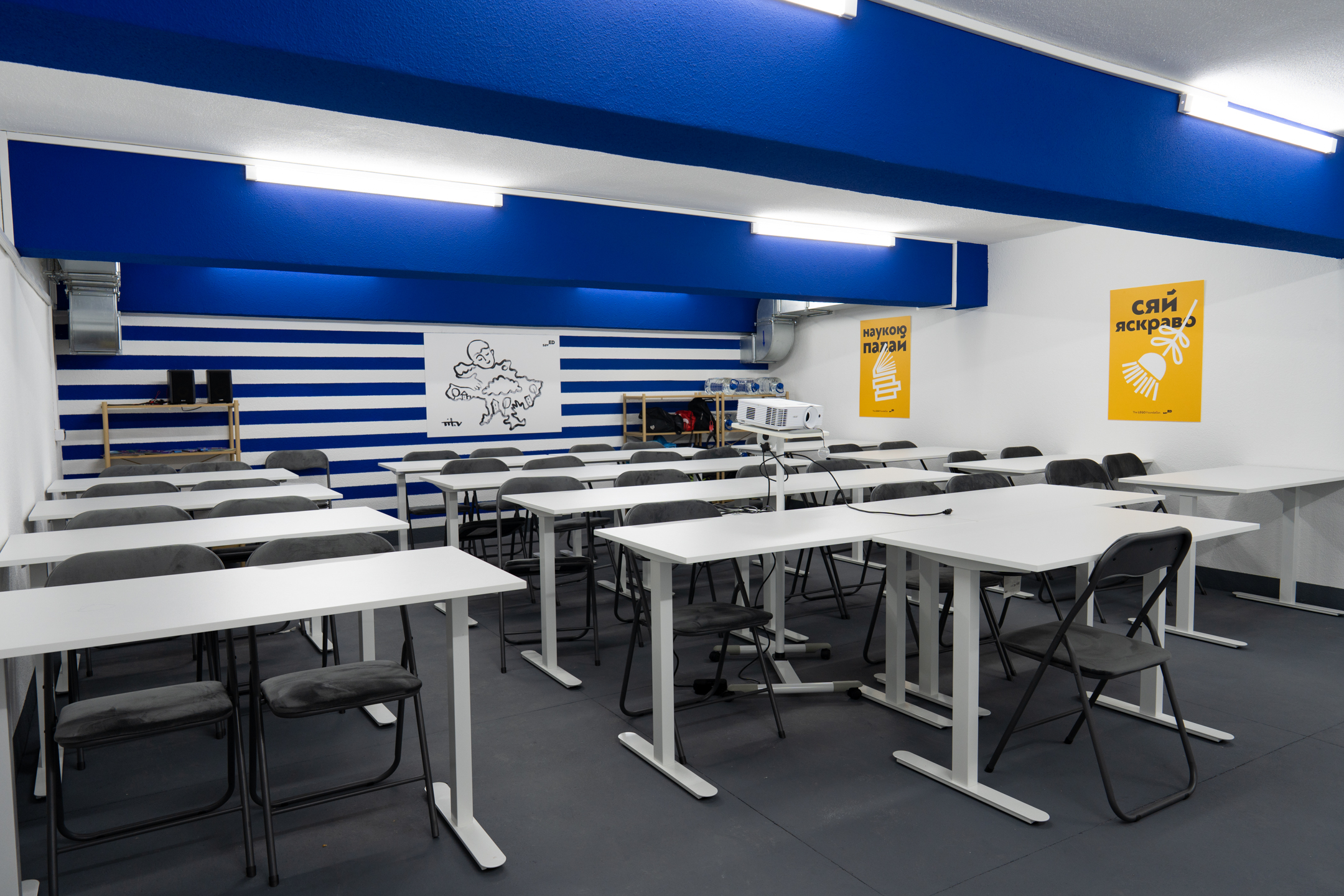
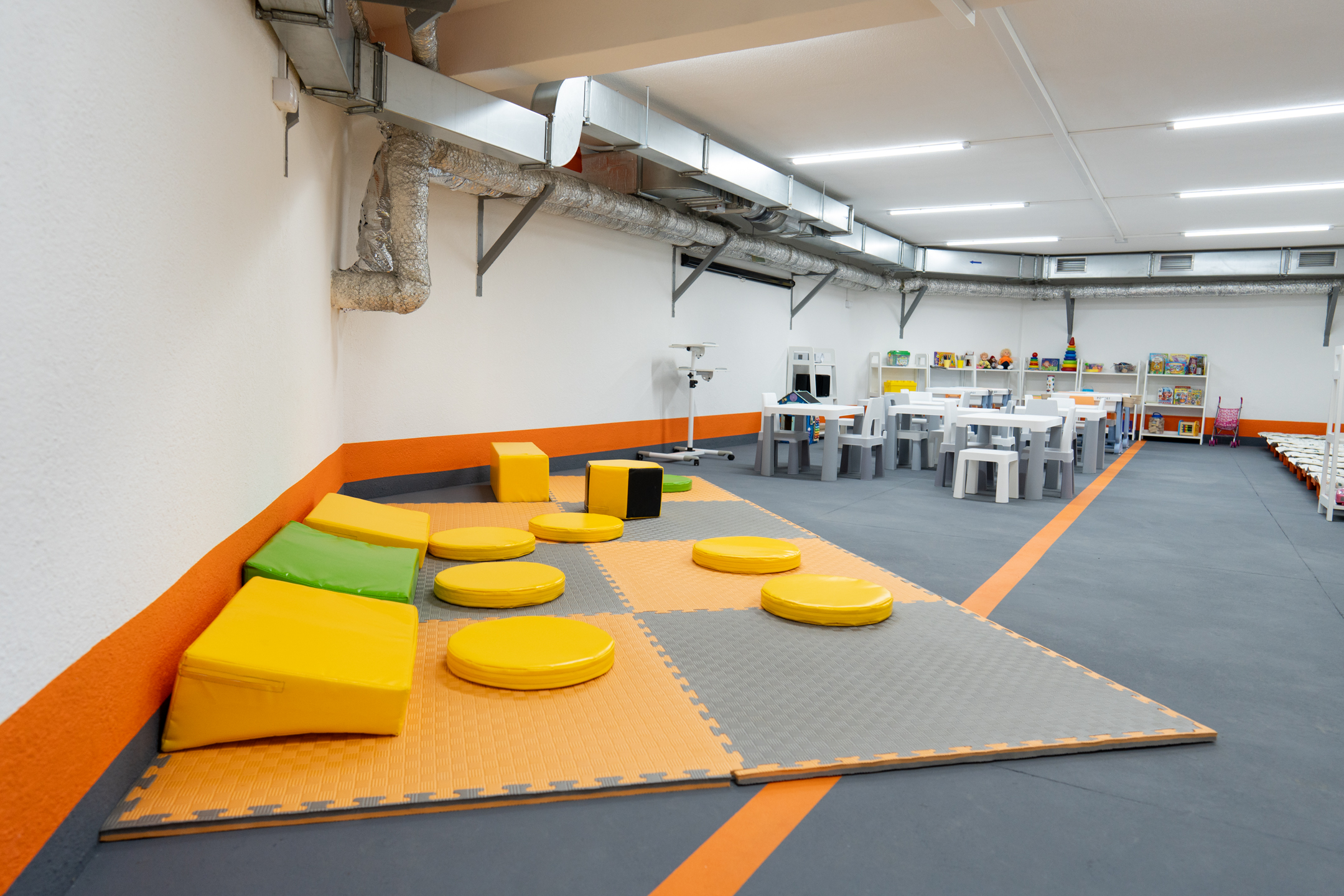
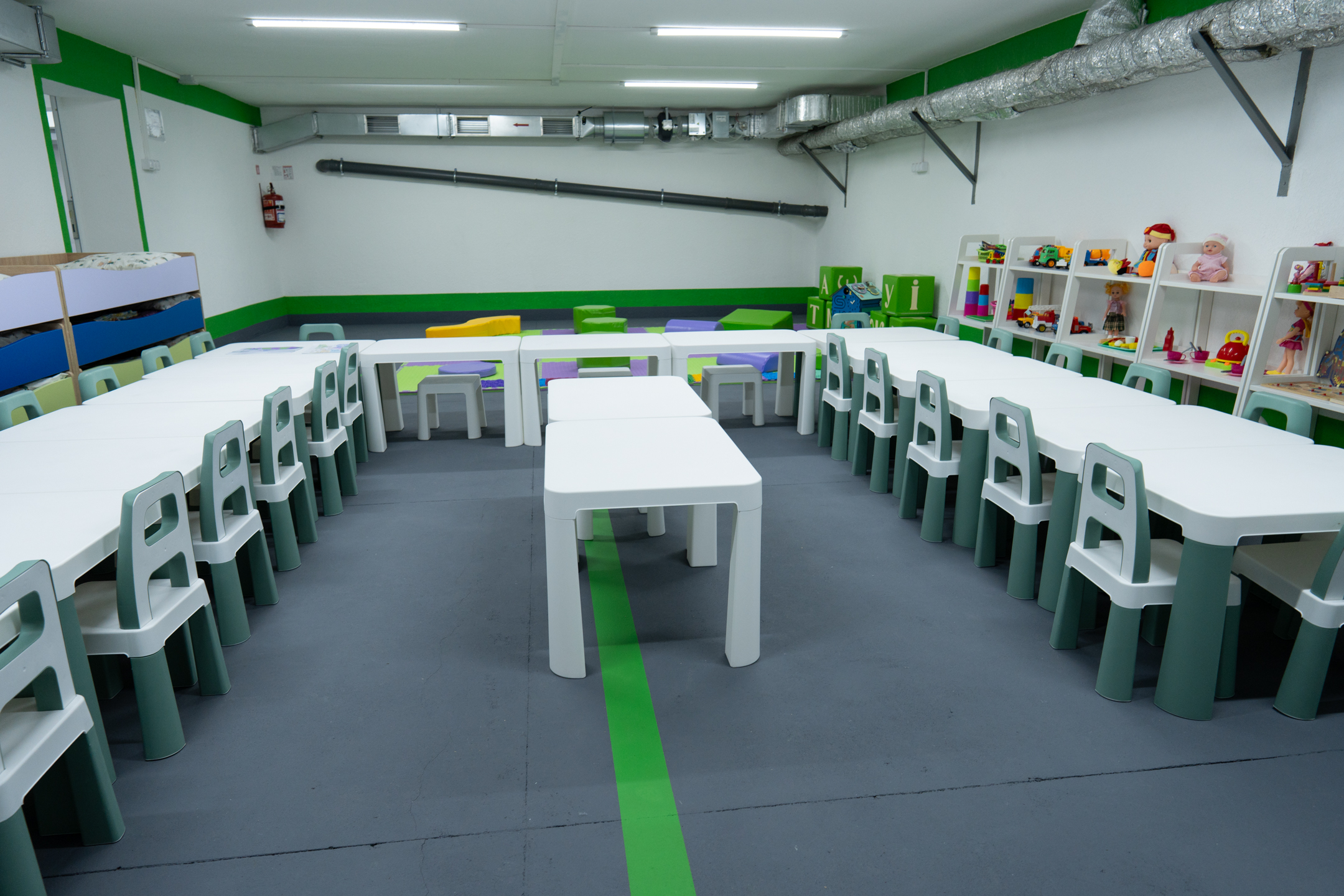
Today, this shelter has become the largest underground learning space in the city. Its total area exceeds 1,230 square meters, allowing hundreds of children of different ages to continue learning and playing simultaneously — and, most importantly, safely — even during prolonged air raid alerts.
A digital learning space in the settlement of Lypova Dolyna
In 2025, we began working in the Sumy region, a new area for us that borders Russia and regularly comes under enemy fire. Because of constant danger, local children were deprived of the opportunity to sit at school desks and interact fully with their peers.
With the support of partners, including the Education Cannot Wait program, we created a safe environment for in-person interaction where children can attend interactive lessons, English conversation clubs, and STEM activities.
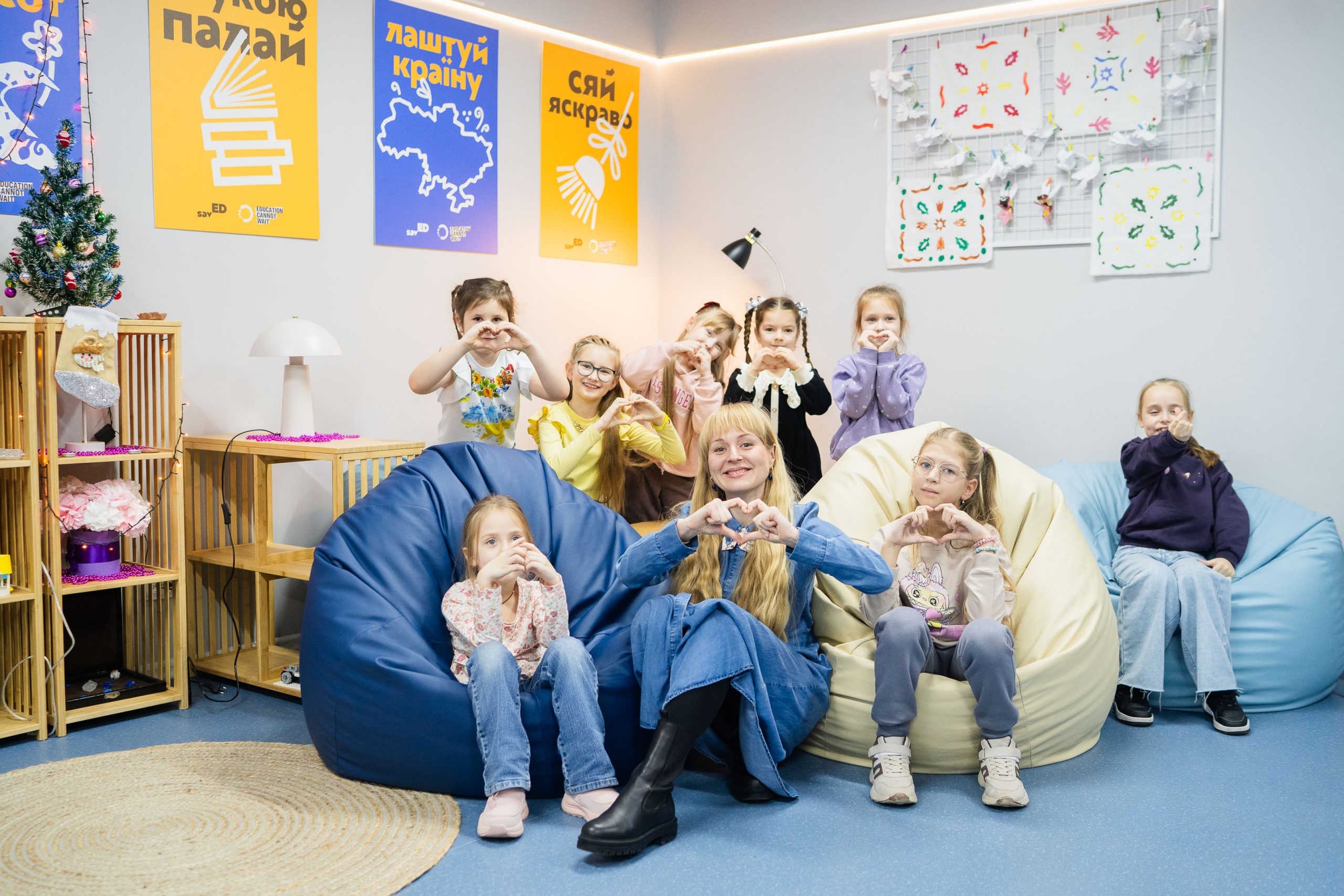
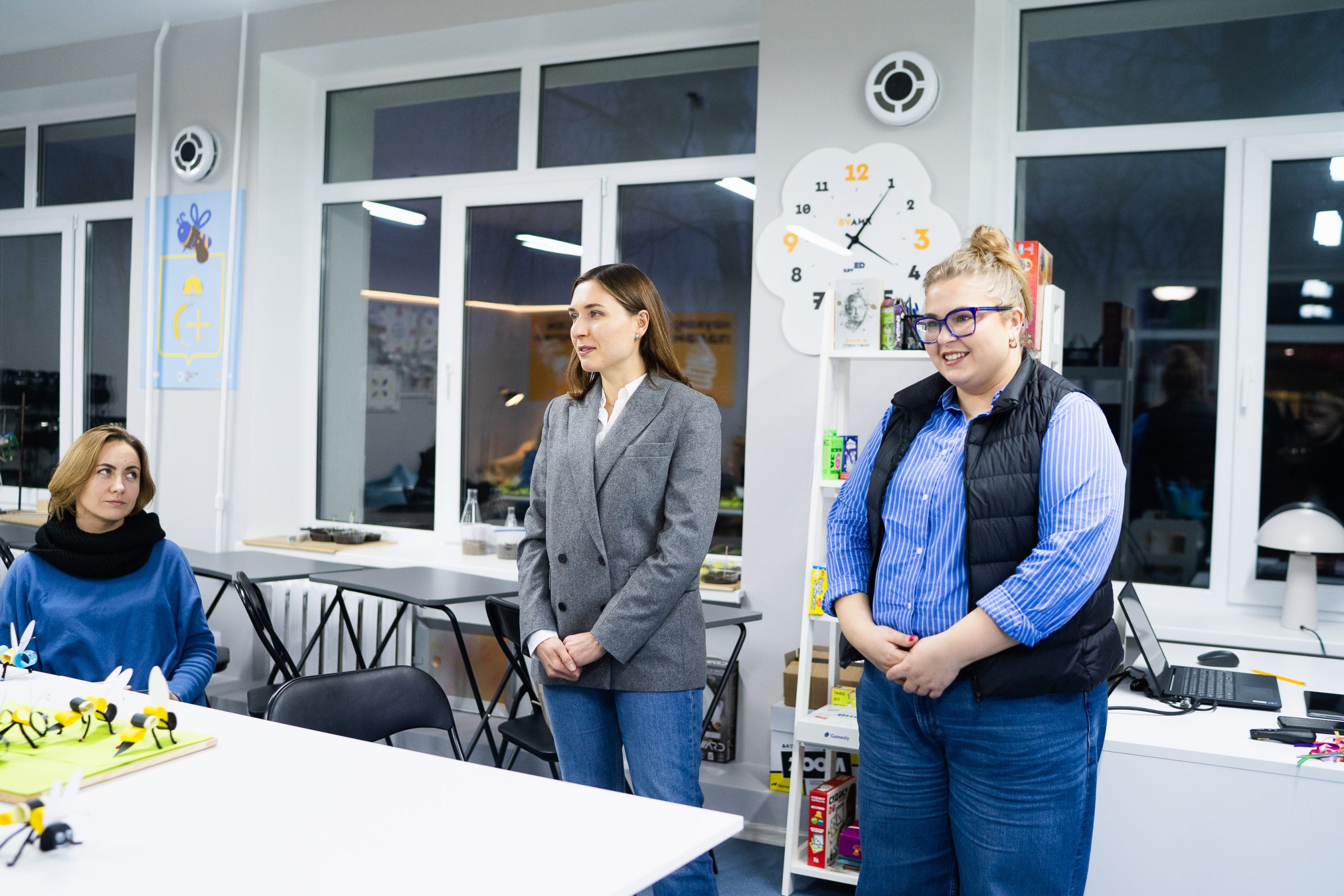
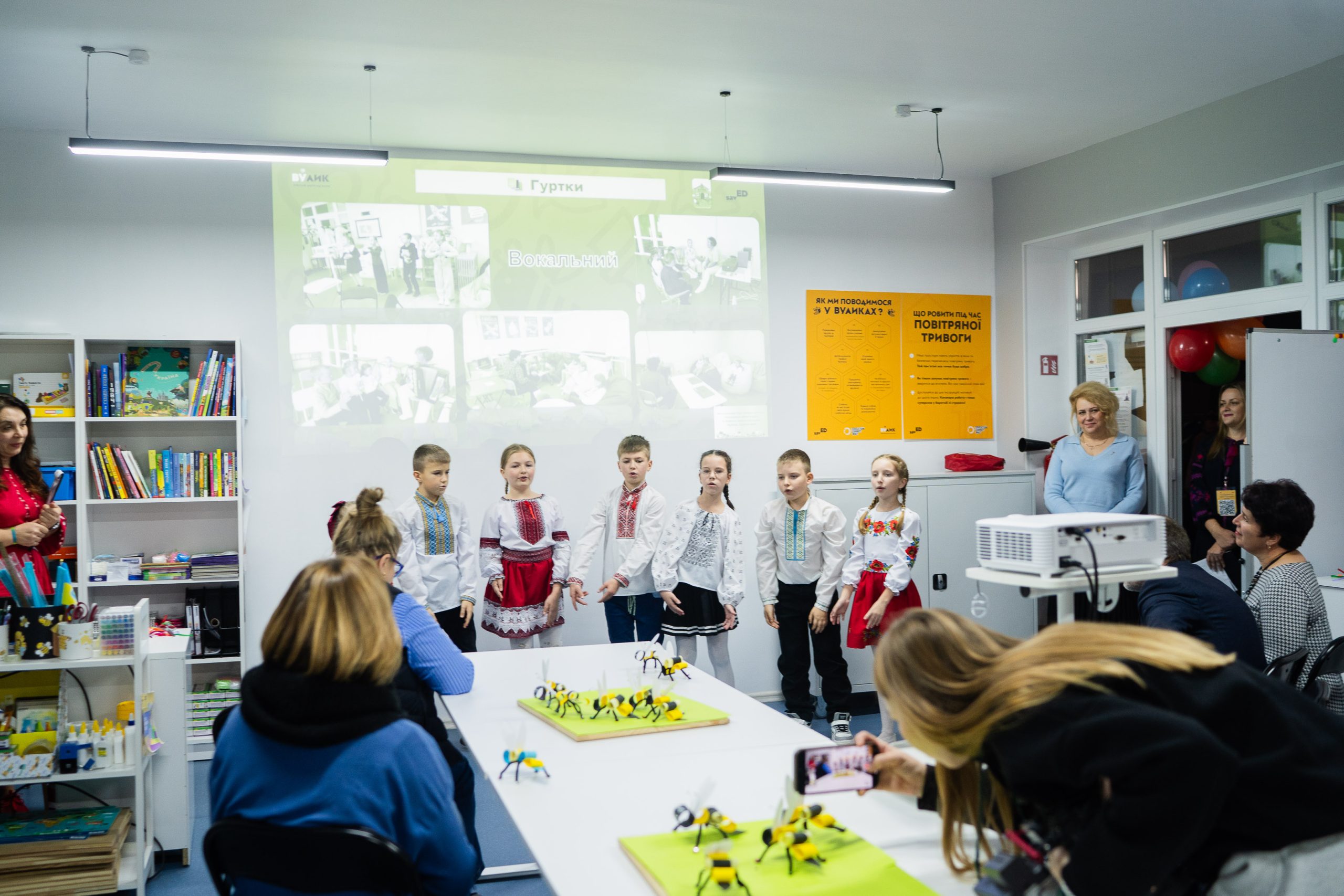
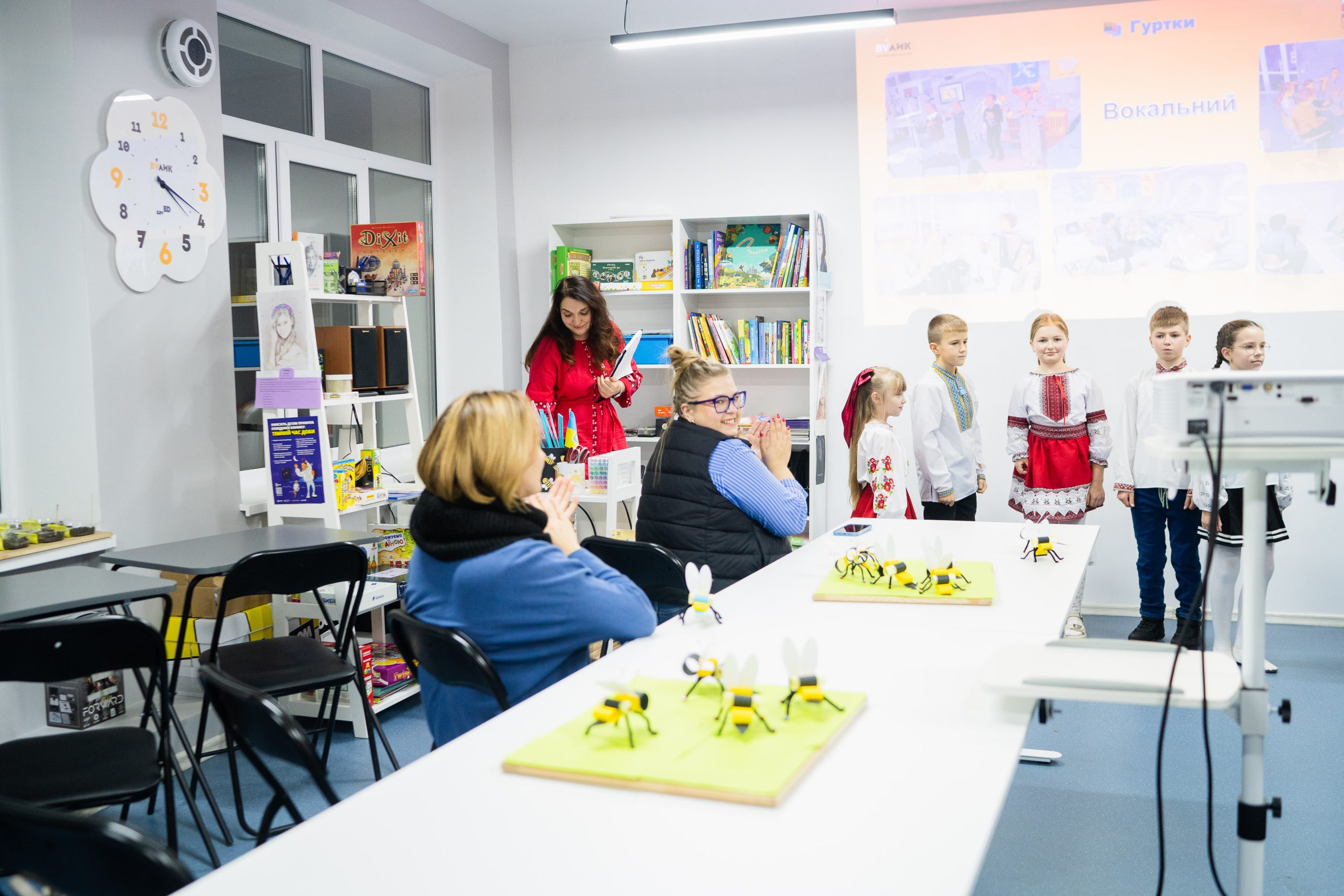
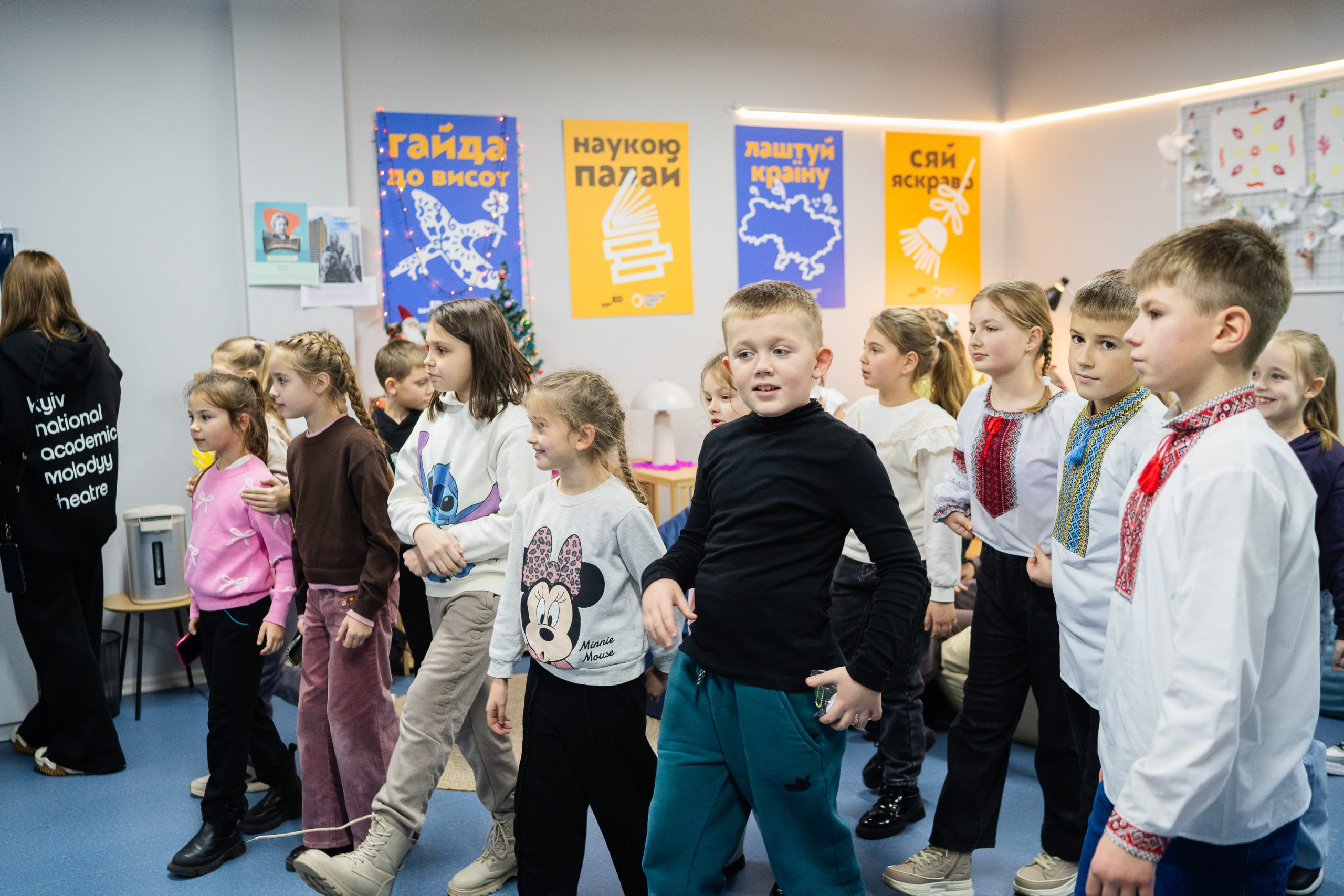
During the year, five such spaces were established across the Sumy region. For children in Lypova Dolyna, the new center has become a vital hub: it partially compensates for the loss of offline learning and brings students together every day, restoring their joy of childhood, curiosity about science, and motivation to grow.
Research, data, and systemic solutions
In 2025, the foundation systematically integrated the results of internal research (including the effectiveness of the “Hive” learning spaces) into program planning. Data from the learning recovery program enables us to adapt educational approaches quickly. Increasingly, we view schools and learning spaces not merely as places for transferring knowledge, but as environments where trust, social connections, and a sense of belonging are formed.
We already have a plan for 2026: the foundation will continue investing in its “foundation” — financial sustainability, team development, and a monitoring and evaluation system. Our goal is to steadily scale our impact while remaining transparent and resilient even in the most challenging circumstances.
Learn more
Our 2025 report presents a comprehensive vision of how education becomes the foundation for the recovery of Ukrainian communities. Learn more about our theory of change, systemic impact on the educational environment, and ambitious plans for 2026. Read the full report via the link.
Together, we are not just renovating buildings or launching programs — we are restoring children’s sense of safety, belonging to their communities, and belief in the future. Let’s stay connected!


