
Education recovery is not only about rebuilding schools, creating safe shelters, and providing additional classes to help children catch up on missed learning. It is also about restoring children’s ability to learn, communicate, trust others, and feel like a part of a community. It also means supporting the educators who help children regain this sense of stability every day.
With support from Kindernothilfe (KNH), the savED team applies this comprehensive approach through the Core Educational Programme (CEP), a system of structured courses for children and professional support programmes for tutors at the EduHive learning centres.
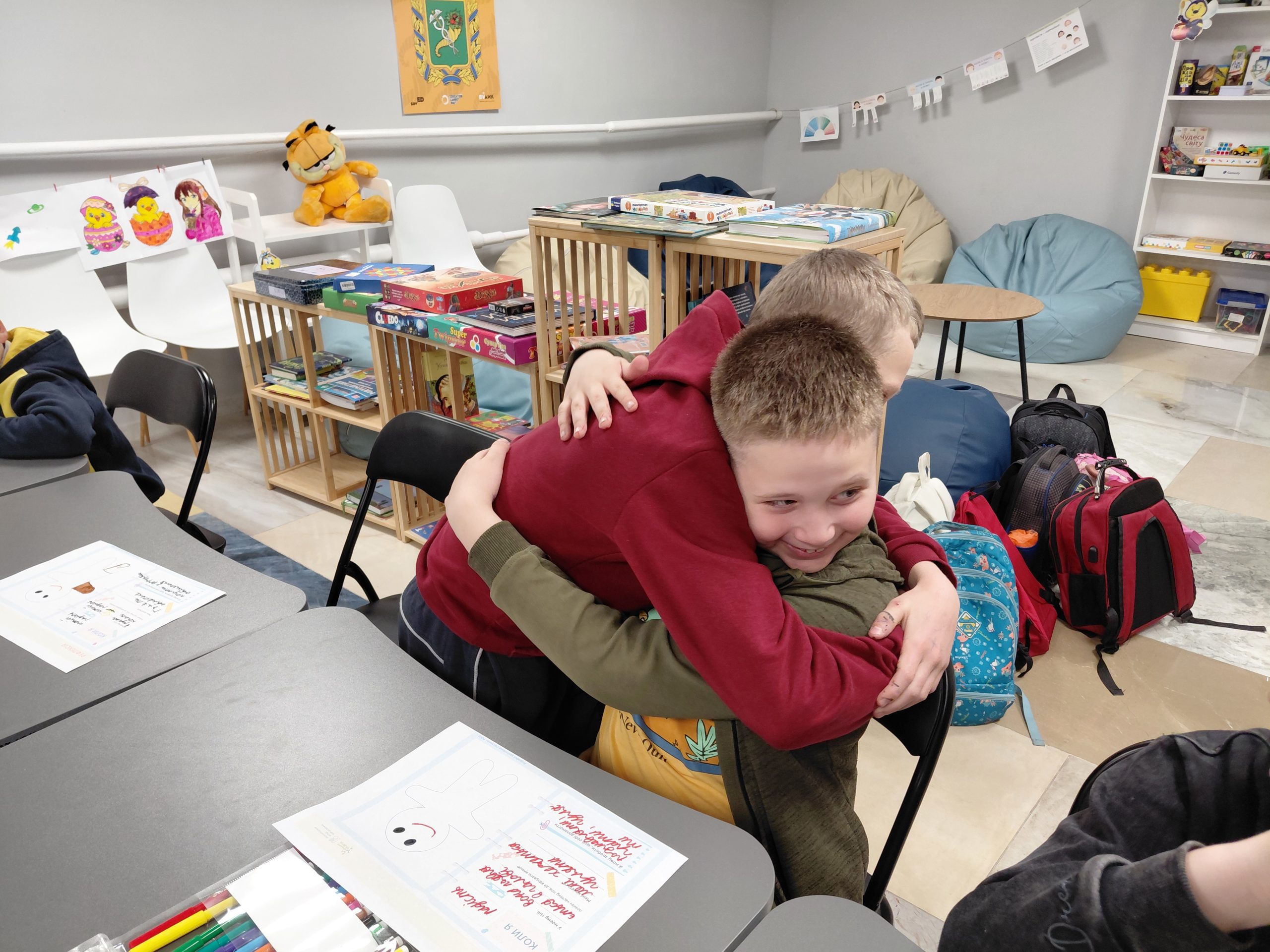
A total of 1,189 children at 24 EduHives across seven regions of Ukraine attended the two new CEP courses. However, these figures represent more than simply the number of participants. They reflect the knowledge and practical skills that children can use beyond the learning space – when communicating with their peers, dealing with emotionally challenging situations, and navigating their everyday lives.
savED’s experience has shown that creating a physically safe space and filling it with standalone activities is no longer enough. Children need regularity, a clear learning pathway, and consistent support.
“Many useful activities delivered by different partners took place at the EduHives, but they were often one-off events or were not connected to one another. A child needs more than a single interesting activity – they need a consistent educational experience. This is why we created the Core Educational Programme, a comprehensive set of structured courses that includes a curriculum, a trained tutor, methodological materials, ongoing support, and a clear outcome for each child,” explains Yuliia Hariunova, Project Manager and Coordinator of the Foundation’s Psycho-Emotional Support Programmes.
At the heart of this approach is simultaneous work with both the child and the adult who supports them. The quality of an educational programme depends not only on its content but also on how confidently an educator can address complex topics, recognise children’s needs, and create a safe atmosphere within the group.
As part of the programme, children completed two new courses: “Myths About Boys and Girls” and “Empathy: Healing Through Play” (“Resource Practices”).
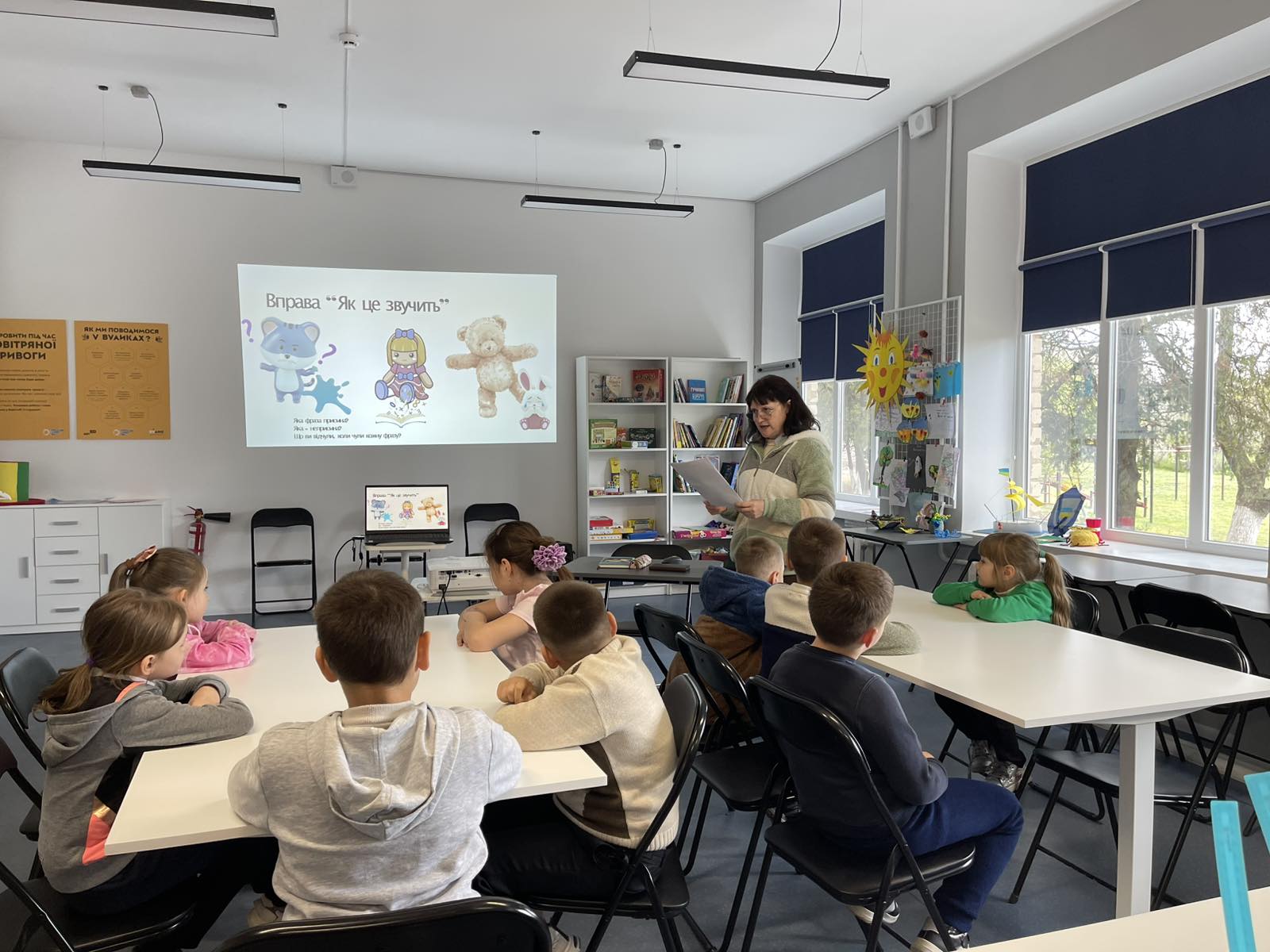
The first course helps children better understand the principles of equality, respect for diversity, and non-discrimination. The second teaches them to recognise their own emotions, interact with others, and use simple resource practices in difficult situations.
Post-course surveys showed that:
- 94.4% of participants in the Resource Practices course reported improved emotional regulation and social interaction skills;
- 93.2% of children said they had developed a better understanding of other people’s emotions;
- more than 95% of participants plan to use the tools they learned in their everyday lives; and
- 95% of children who completed the “Myths About Boys and Girls” course demonstrated a better understanding of gender equality, respect for diversity, and non-discrimination.
“After completing the Resource Practices course, more than 95% of participants said they planned to continue using the techniques they had learned. For me, this is one of the most important results. It means that a child did not simply complete an exercise during a session but gained a tool they can use when they are struggling, feeling anxious, or trying to manage their emotions,” says Yuliia Hariunova.
In their open-ended responses, children also shared that they had become more confident, learned to communicate better with their peers, and developed a stronger understanding of their own emotions and those of others.
“The figures show us the scale, while the children’s own words show us the real change. The experience they gain during the sessions extends beyond the EduHive and becomes part of their everyday lives,” Yuliia adds.
Tutors and teachers in war-affected communities work under the same difficult conditions as the children. They also experience air raid alerts, shelling, and power outages, while facing significant professional and emotional pressure. At the same time, the learning environment a child experiences argely depends on the adult supporting them.
Before the courses began, tutors therefore completed specialised training, received methodological materials and practical recommendations, and were provided with ongoing support throughout the implementation of the programmes.
“We do not simply hand an educator a folder of materials and say, ‘Now go and deliver the course.’ First, we help them understand the methodology, test the tools in practice, and develop confidence in working with topics that can sometimes be quite complex. As a result, the tutor gains knowledge and practical techniques that can be used long after a particular project has ended,” explains Yuliia Hariunova.
This approach creates a long-term impact. Supporting one tutor benefits not only the particular group of children currently attending the sessions. The knowledge remains with the educator and can be applied throughout their future work.
“If we expect an educator to support children, they must also have access to support, knowledge, and practical tools. Investing in a tutor therefore means investing in the dozens of children they work with today and will continue to support in the future,” Yuliia adds.
The experience of these programmes has confirmed that children in war-affected communities need more than simply a place to study. They need a safe environment, regularity, communication with their peers, support from a trusted adult, and opportunities to develop emotional and life skills.
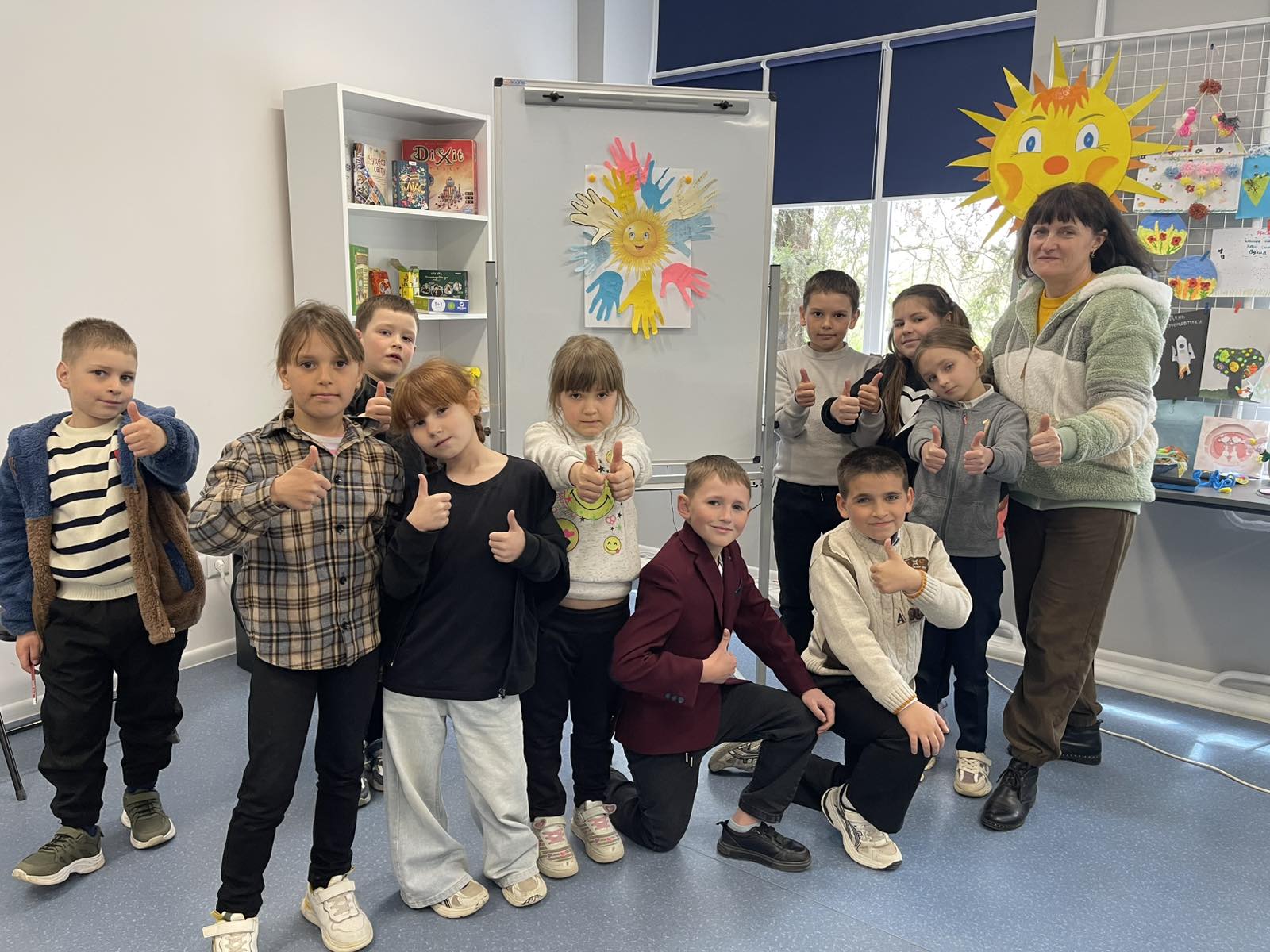
At the same time, educators need more than general recommendations. They need proven methodologies, practical training, ongoing support, and the ability to adapt tools to the needs of individual children and communities.
This is why the programmes are designed to ensure that their results remain within the communities: tutors retain the knowledge, while books, games, methodological materials, and video resources remain in the learning spaces.
“Children should have regular access to these opportunities, rather than receiving them only from one project to the next. Educators should have continuous access to training, methodological materials, ongoing support, and a professional community. The next important step is therefore to continue analysing the results, improving the programmes, and scaling solutions whose effectiveness is confirmed by practice and feedback from children and educators,” says Yuliia Hariunova.
Education recovery begins with people. By supporting educators, we strengthen their ability to support children. By helping children learn, communicate, and trust again, we strengthen the entire community. During a prolonged war, this comprehensive approach becomes an essential part of the resilience of Ukrainian education.


